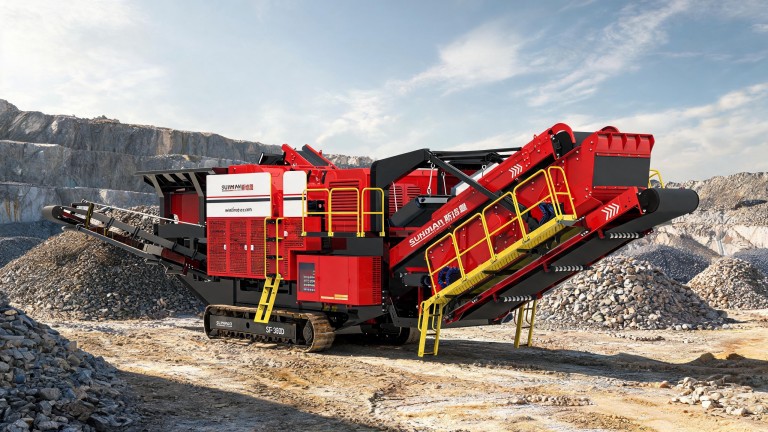
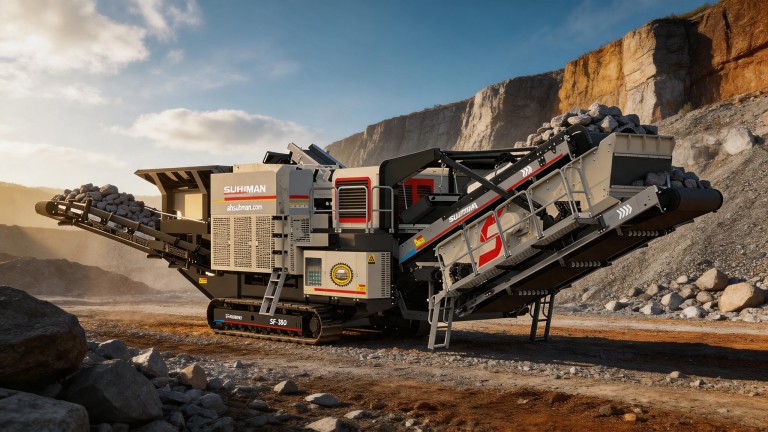
A coal slag crusher is a reliable workhorse on the production line, transforming solid waste into a usable fraction; choosing the right model to match production capacity and raw material characteristics will prevent downtime, and common operational errors can be easily avoided by following a few simple rules.
How to choose the right crusher model
First, assess the daily slag processing capacity, the hardness of the input fractions and the required output particle size: rotary models are suitable for small volumes; for high-hardness, coarse slag, opt for jaw crushers; do not go for excessive capacity, as this will lead to unnecessary electricity costs.
The most common operational errors
Most breakdowns are caused by foreign metal objects entering the crushing chamber, another common mistake is starting the unit under load without preheating at low temperatures, whilst ignoring the lubrication schedule for components halves their service life.
Simple tips for extending the service life
Install a magnetic separator at the feed end to capture metal, carry out a visual inspection of the crushing chamber before each start-up, adhere to the schedule for replacing wear parts, and do not overload the unit beyond its specified capacity; this will enable it to operate without unscheduled repairs for years to come.