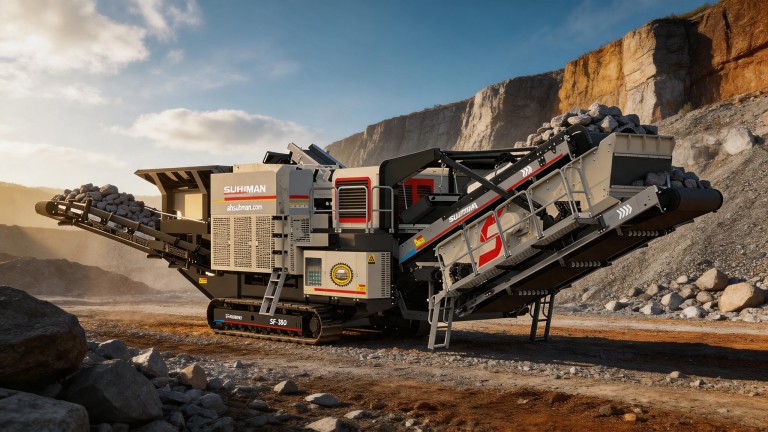
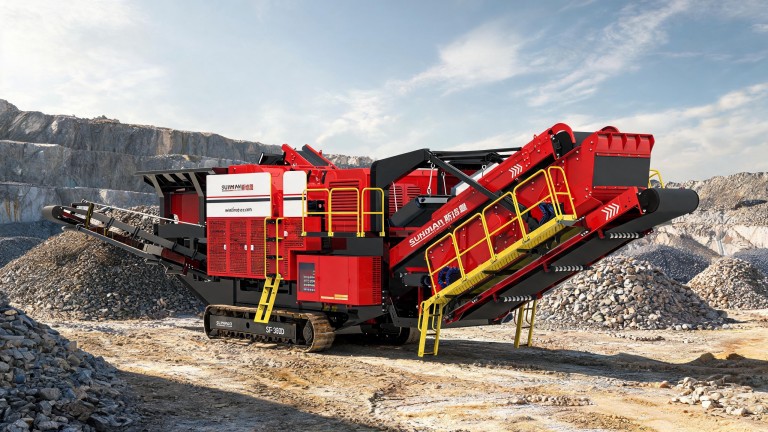
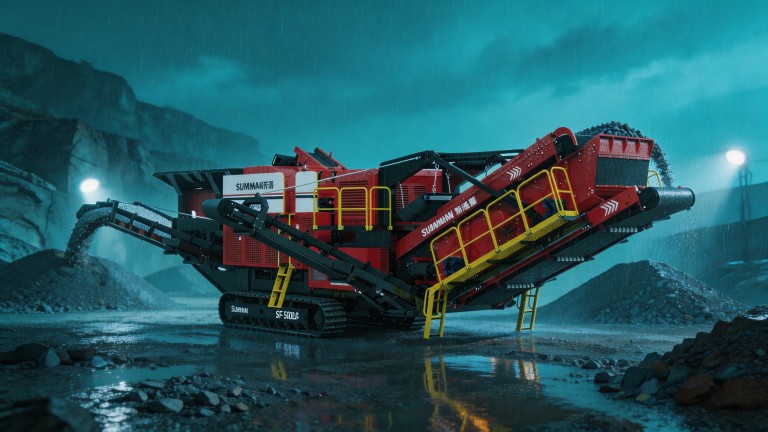
A manganese ore crusher with a capacity of 100 t/h requires consideration of the specific characteristics of the raw material and the operating conditions; the optimal option is selected based on three key parameters: ore hardness, the crushing process flow and the service life of components, in order to ensure stable operation without downtime.
Key characteristics of raw materials that must not be overlooked
Manganese ore has medium hardness and high abrasiveness; at a throughput of 100 t/h, large-sized particles cause rapid wear to the crusher’s working parts, therefore models with hardened edges on the crushing plates are selected, and feed sizes exceeding the permissible limit for a specific model are avoided.
Key parameters for selecting the best option
For a consistent output of 100 t/h, either a cone crusher or a jaw crusher is suitable, depending on the crushing stage: a jaw crusher is preferable for coarse crushing, whilst a cone crusher is better for medium and fine crushing; additionally, the drive power and the throughput capacity of the chutes should be checked to ensure they are compatible, in order to avoid blockages when the raw material is fed at a steady rate.
Operating instructions for maintaining the specified performance
Regular monitoring of the condition of the crushing elements and the clearances between them helps to maintain a throughput of 100 tonnes per hour throughout the entire service life, and care must be taken to ensure synchronisation with the feeding and screening equipment to prevent downtime caused by mismatched raw material flow rates.