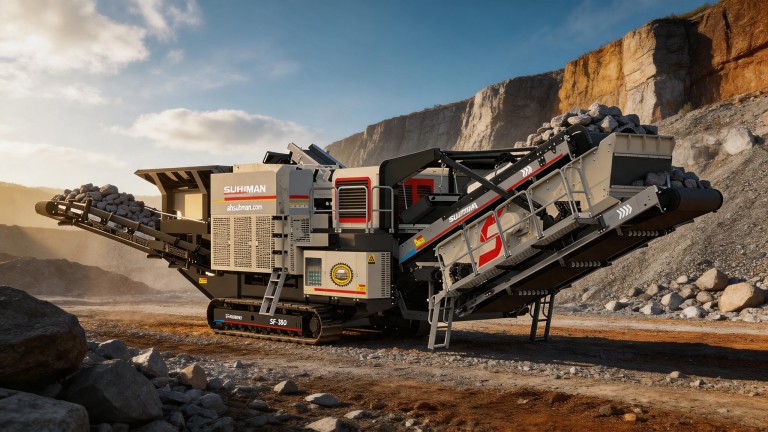
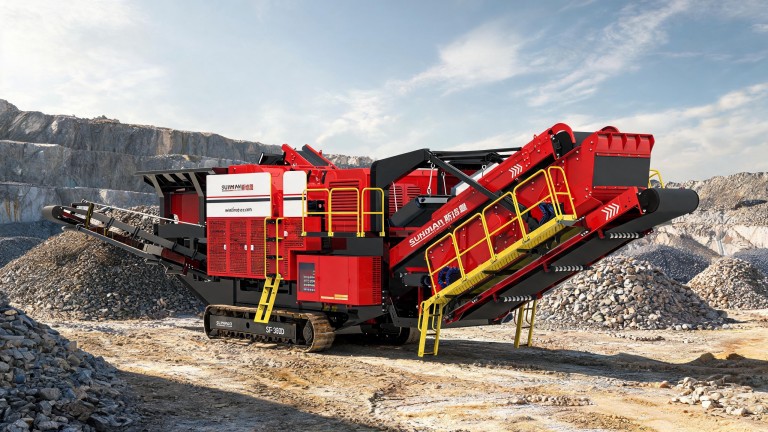
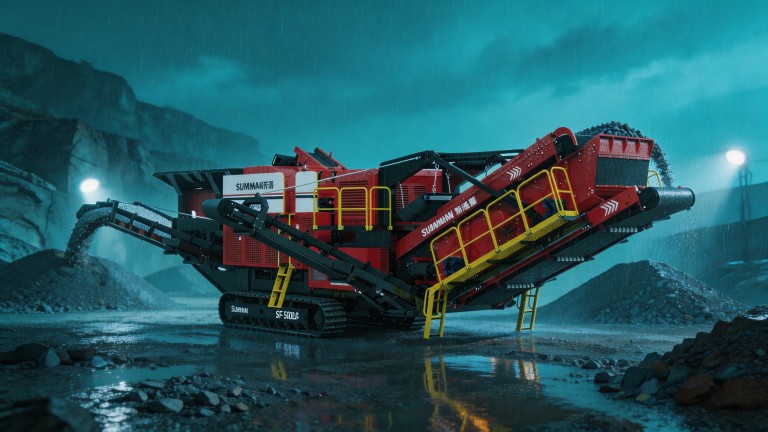
The mobile jaw crusher, with a capacity of 500 tonnes per hour, is a reliable asset for manufacturing plants; it combines high efficiency with flexibility, and choosing the right model has a direct impact on the stability of the production process and cost-effectiveness.
The main advantages of equipment with this capacity
This crusher does not require a fixed installation, can be easily moved between work sites, features a design that integrates all operational components, reduces commissioning time, processes a large volume of raw material per hour, and meets the requirements of large production lines, whilst maintaining a low specific energy consumption per tonne of finished product.
Key parameters for selecting the right model
First, you need to assess the properties of the raw material to be processed, primarily its hardness and the maximum size of the pieces at the feed end, then compare these with the requirements for the size of the final fraction distribution; it is also worth taking into account the operating conditions at the site, including space constraints and the availability of power supply to ensure stable operation.
Operating guidelines to extend the service life
Check the condition of the jaw plates and other parts subject to rapid wear on a regular basis, replace them in good time, follow the maintenance schedule for the engine and hydraulic system, and do not overload the equipment beyond its rated capacity to avoid premature breakdowns and production downtime.