Don’t go!
Please get in touch, and our engineers will draw up a bespoke solution for your project.

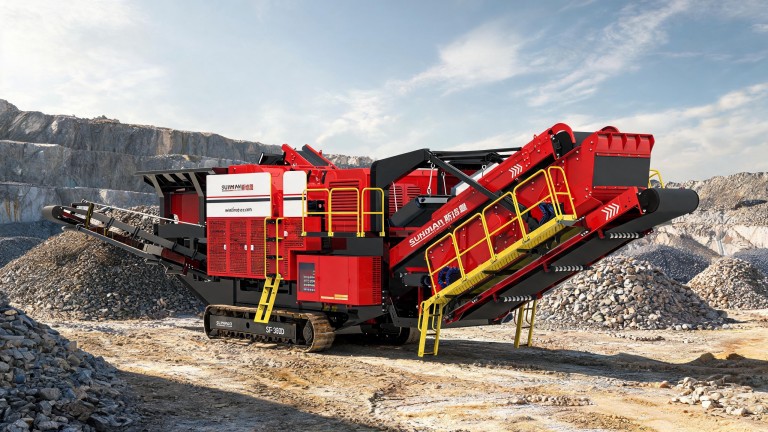
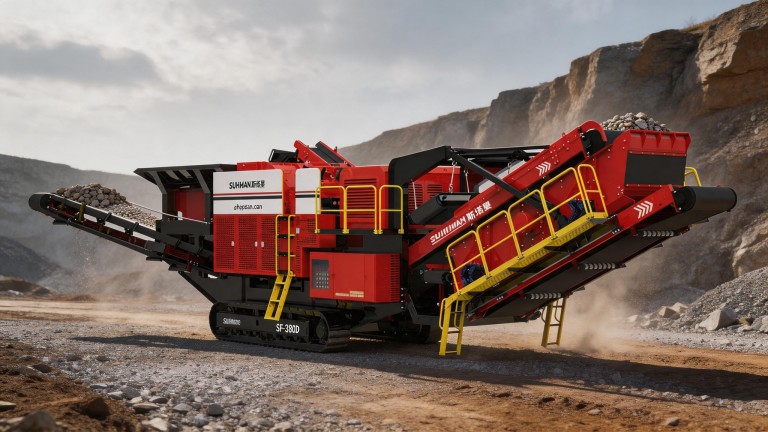
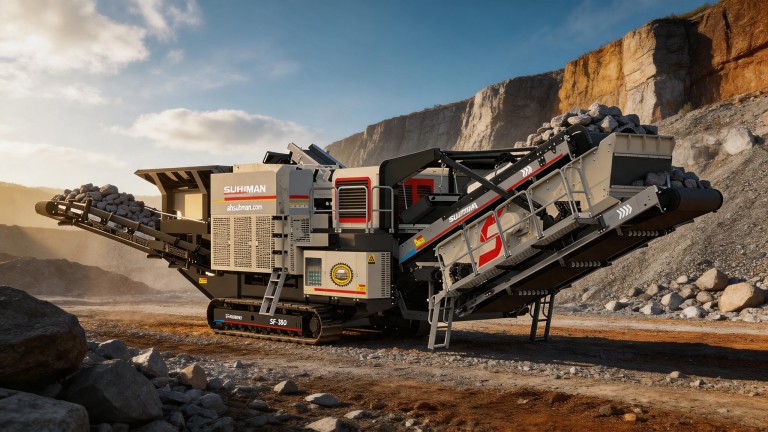
When selecting a mobile jaw crusher for basalt (a hard, abrasive rock), bear in mind the following: 1) jaw plates made of high-manganese steel with chromium; 2) an inlet opening 15–20% larger than the maximum feed size, with capacity to match the required throughput; 3) straightforward diagnostics, readily available spare parts and overload protection.

A mobile jaw crusher with a capacity of 100 t/h — a reliable workhorse on production sites. When making your selection, consider the size of the feed material, the hardness of the rock, the output size, the compactness of the chassis, the presence of automatic jaw clearance adjustment, energy/fuel consumption, local service support and the availability of spare parts. Look for competitive offers from trusted official suppliers with at least five years’ experience, and compare turnkey prices to avoid hidden costs.

The choice between a mobile and a stationary crusher should be based on production requirements, operating conditions and budget: stationary crushers are suitable for permanent sites with high processing volumes, whilst mobile crushers are ideal for work at various remote sites, helping to reduce logistics costs.

Mobile crushers, widely used on construction sites and in mining operations, have hidden drawbacks: low throughput (a drop of 30–40%) when processing hard rock, coupled with a high breakdown rate, rapid wear of components (by 25–30%) and high maintenance costs, as well as imprecise adjustment of the output size, requiring reprocessing; it is therefore important to take these factors into account in advance when making a selection.