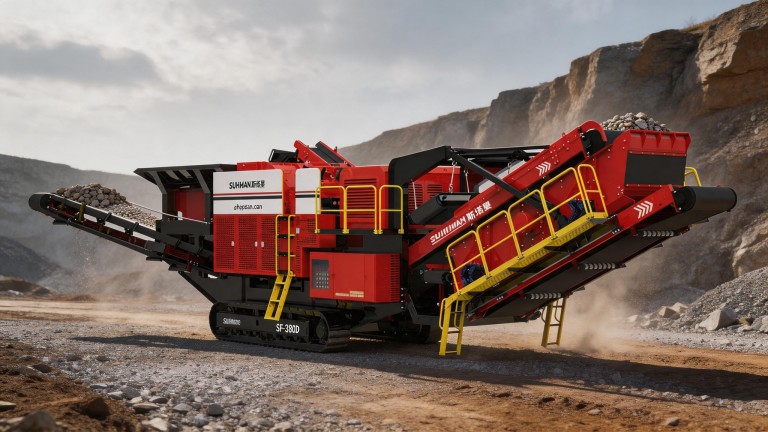
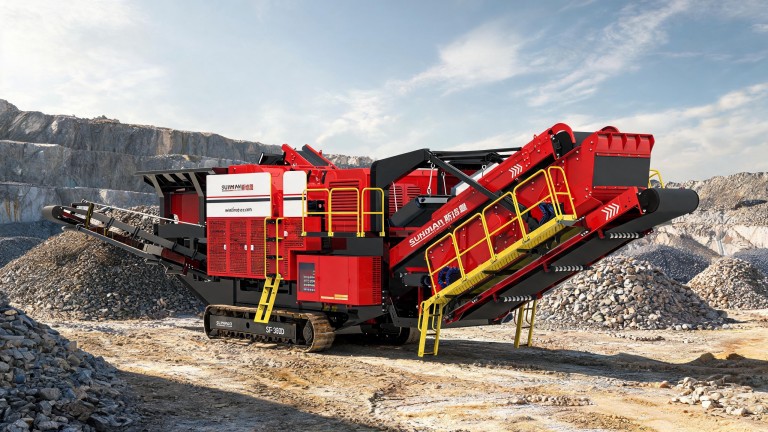
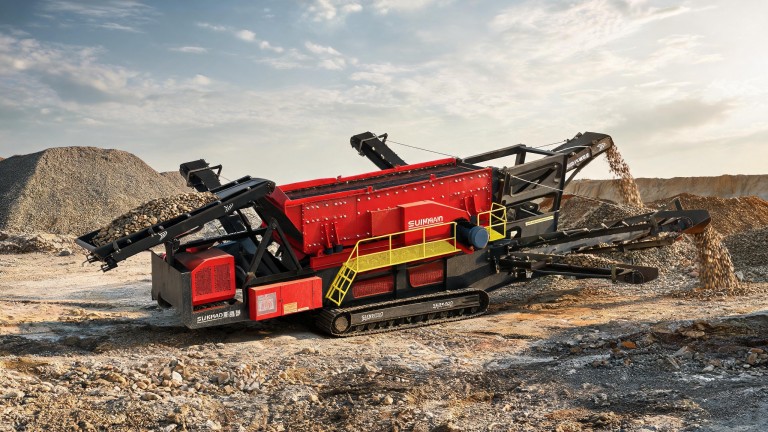
A stationary jaw crusher for granite aggregate is an indispensable piece of equipment on construction sites; and choosing the right model has a direct impact on crushing efficiency and the equipment’s service life; simply assessing the key parameters and operational characteristics is enough to select a suitable option without unnecessary expense.
Key performance indicators
When making your choice, focus first and foremost on the size of the feed opening; it must match the dimensions of the original pieces of granite. At the same time, assess the output fraction specification; which must match the required aggregate size for your tasks. You should not choose a model with excessive capacity, as this will lead to unnecessary electricity costs.
Design features and material of the side plates
The working jaw plates are made from wear-resistant manganese steel, it is this material that withstands the constant stresses involved in crushing hard granite; note the shape of the grooving on the jaw plates – the optimal profile ensures uniform crushing without the raw material becoming jammed; the crusher’s all-welded frame guarantees stability during prolonged, intensive operation.
Points to bear in mind when buying and maintaining
Check that the equipment comes with an official manufacturer’s warranty; as this will protect you from purchasing substandard equipment; check in advance that spare parts are available in your region, as the prompt replacement of worn components will minimise production downtime; and also assess the requirements for connection and regular maintenance, as these must be compatible with the capabilities of your production site.