Don’t go!
Please get in touch, and our engineers will draw up a bespoke solution for your project.

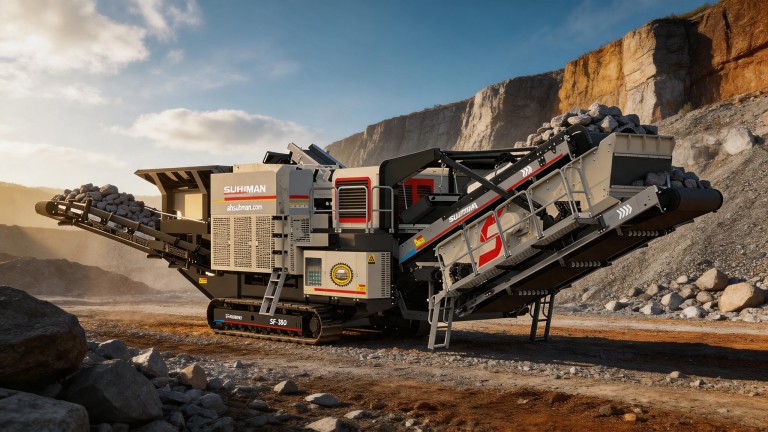
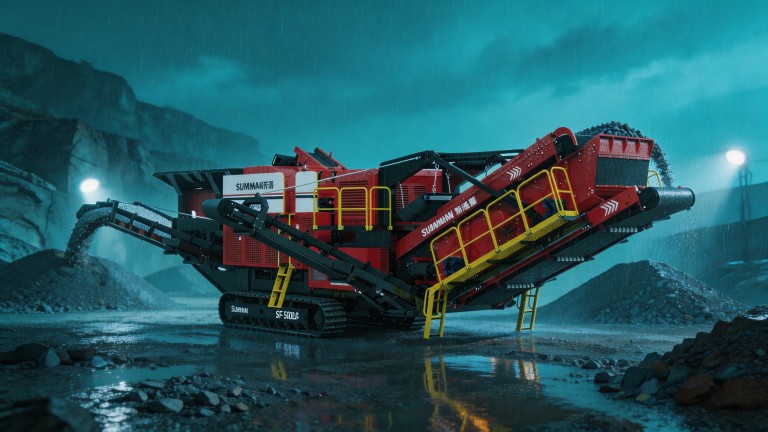
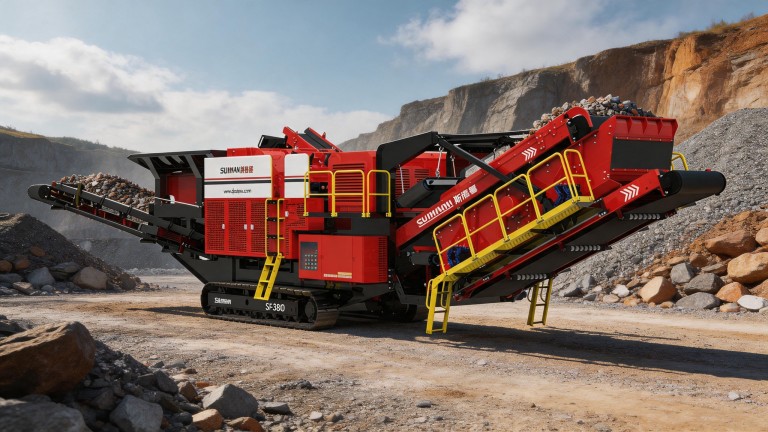
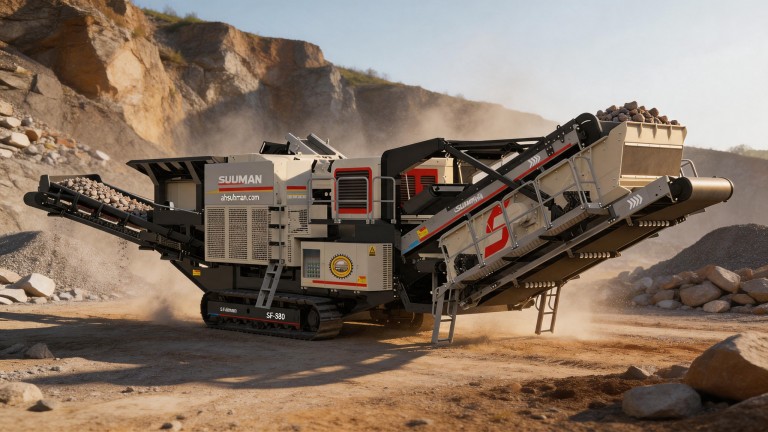
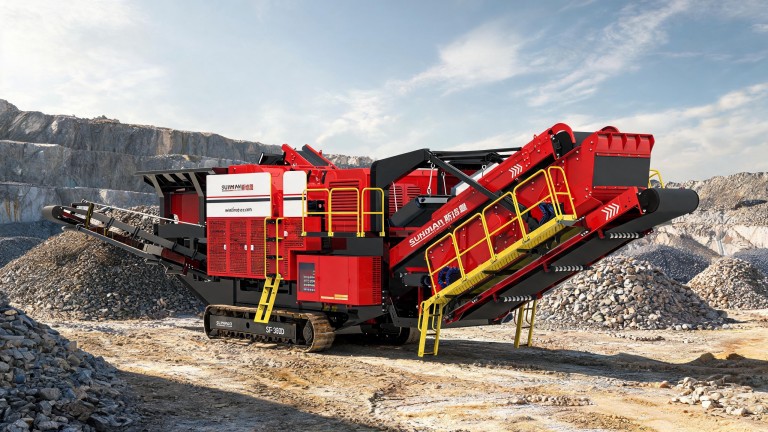
A mobile jaw crusher with a capacity of 150 t/h helps to optimise production and reduce costs. When selecting a machine, factors such as the type of raw material, particle size distribution and the mobility of the chassis are taken into account. Regular maintenance and avoiding overloading ensure reliable operation. Look for competitive offers from authorised dealers, industrial marketplaces and trusted sellers of second-hand equipment.

It is easy to find an affordable wheeled mobile jaw crusher by focusing on the throughput required for your specific tasks. Key criteria include: hourly throughput, feed opening size and drive type. The price depends on capacity, options, brand and suitability for hard raw materials. It is better value to order directly from reputable manufacturers without the mark-ups of middlemen; you should avoid suspiciously cheap second-hand models.

In 2026, tracked mobile jaw crushers cost between 1.2 and 4.5 million roubles; the price depends on the capacity, specifications and intended use. It is best to order directly from reputable Russian manufacturers, avoiding unverified intermediaries. Insist on a warranty of at least two years, check for the availability of local service centres and the option of a test run.

When choosing a mobile jaw crusher, focus on your production requirements: select a model suited to your raw materials, and match the capacity to the volume of work. The price depends on the specifications, brand and condition; take maintenance costs into account. Look for good deals on manufacturers’ official websites during promotional periods or on specialist platforms, and check the warranty and delivery terms.

При выборе мобильной щековой дробилки для камня оценивают производительность, размер входных кусков, тип привода (дизельный без сети, электрический экономнее с ней), материал щек (лучше высоколегированная сталь) и удобство регулировки фракции. Выгоднее покупать у официальных дистрибьюторов без наценок, с гарантией и консультациями.

Dust generated during stone crushing is harmful to workers’ health and reduces the service life of equipment. There are simple, cost-effective methods for reducing dust levels: moistening the raw material with water before processing, sealing off the crushing area with wear-resistant material, and installing a local extraction system with a filter.

A stationary jaw crusher requires a robust, correctly designed foundation to ensure stable, long-term operation. The design takes into account the total weight of the crusher, the dynamic load caused by the impact of the jaw plates, and the bearing capacity of the ground. The foundation is laid below the frost line and reinforced with steel bars. Once the concrete has set, the supports are checked for levelness and the concrete is allowed to reach full strength before installation.

A mobile jaw crusher consumes energy due to the load, wear and tear on components, and operating conditions. The main factors contributing to excessive energy consumption are the hardness and size of the raw material, and wear on the jaw plates. The calculation is based on the motor’s rated power multiplied by a load factor of 0.6–0.8, multiplied by the operating time, minus the idle time. Preventative maintenance of the jaw plates, appropriate selection of raw material and a reduction in idle time will reduce energy over-consumption by 20–25%.


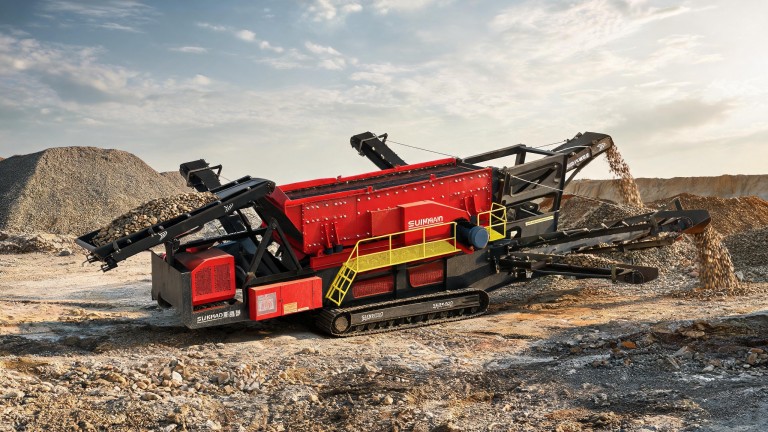
A crushing and screening plant with a capacity of 200 t/h is a key component of mining and construction operations; it comprises a hopper, crushers, screens and conveyors. During the design phase, it is essential to test the raw material, allow for a capacity margin of ≥15%, and provide sufficient space for maintenance. Common mistakes include allocating too little space for screens and failing to consider the vibrational compatibility of components.

Calculating the throughput of a crushed stone production line is a key stage in its design and operation, helping to prevent downtime and overloads. A correct calculation involves determining the parameters of the components, modelling the flow of raw materials, and adjusting the figures to suit the specific conditions of the plant. Common errors include ignoring the difference between rated and actual capacity, failing to account for maintenance time, and mismatched throughput capacities of the plant components. The calculations are verified by conducting an 8–12-hour trial run of the line, and the parameters are adjusted if deviations exceed 10%.