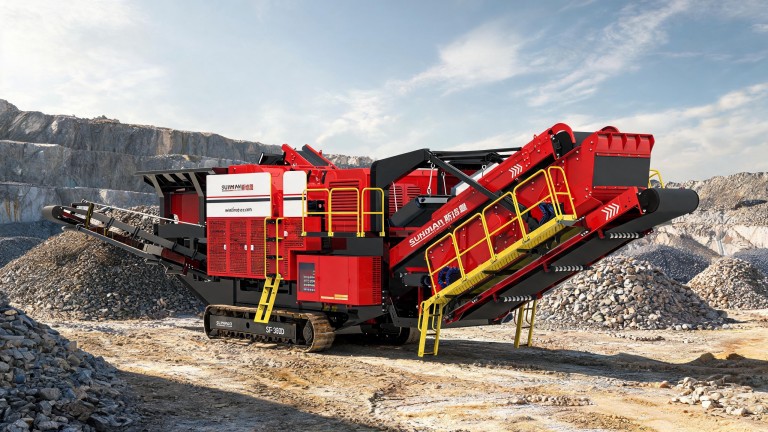
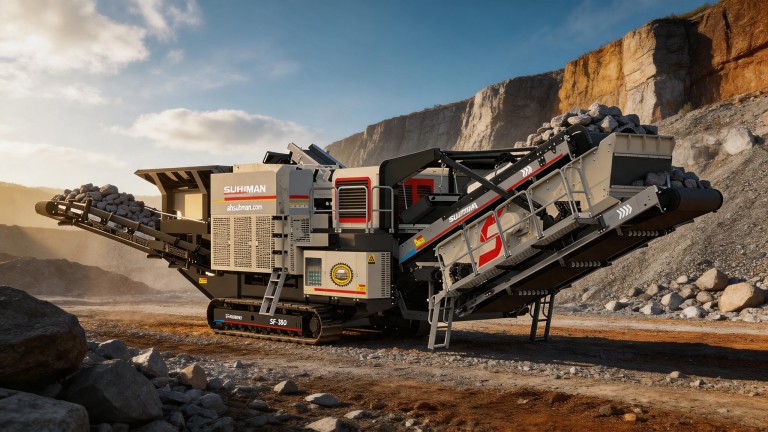
It is no coincidence that the mobile jaw crusher, as the workhorse of the mining and construction industries, consumes a significant amount of electricity; it is worth paying attention to the crushing load, the condition of the components and the operating mode; a correct calculation must take into account the motor’s rated power and actual operating parameters to avoid excessive consumption and unexpected downtime.
What should you focus on first when it comes to electricity consumption?
The first factor is the hardness and size of the feed material: if the pieces are too large or the rocks too hard, the crusher is forced to operate at its limit, consuming 30–40% more energy than under a standard load. The second factor is wear on the jaw plates: worn surfaces fail to grip the raw material properly, causing the motor to idle for longer than necessary and increasing fuel consumption unnecessarily.
How to calculate actual electricity consumption correctly
First, take the rated power of the crusher’s main motor, as specified in the technical data sheet, and multiply it by the actual load factor, which is usually between 0.6 and 0.8 during normal operation with suitable raw materials. Then multiply the resulting figure by the actual number of hours of continuous operation, taking care to deduct any periods of idling without a feed of raw material.
Simple ways to reduce unnecessary energy consumption
Inspect the jaw plates regularly and replace worn ones in good time; select feed material that is suitable in terms of size and hardness for your crusher model; and avoid prolonged idling. These simple measures will reduce excess electricity consumption by 20–25% without compromising the equipment’s performance.