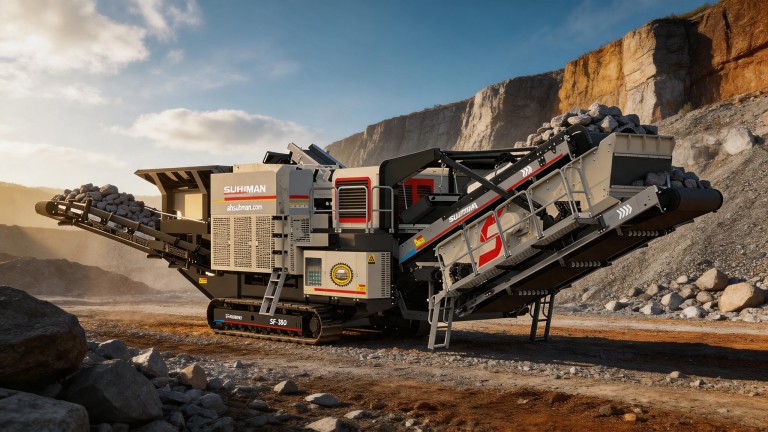
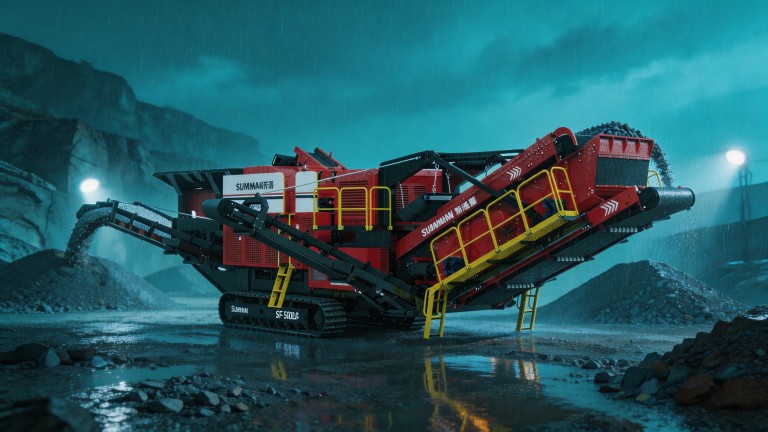
The cost of owning a mobile crushing plant is determined by a range of interrelated factors, and cost reductions without compromising efficiency are achieved through well-thought-out operational solutions that do not affect the unit’s performance.
Key factors influencing the total amount of expenditure
Key factors include the initial purchase price, the costs of regular maintenance, fuel or electricity consumption (depending on the type of drive system), and the cost of replacing parts subject to rapid wear and tear during operation. In addition, the total cost includes logistics costs associated with moving the unit between sites and the wages of maintenance staff.
How operating conditions affect costs
The specific characteristics of the material being processed have a direct impact on the rate of wear and tear on the working parts: when processing hard, abrasive rock, the service life of the crushing plates is reduced by a factor of 2–3 compared with the processing of soft construction waste. The intensity of the plant’s use also plays a role: when operating round the clock, the frequency of maintenance increases, placing an additional strain on the owner’s budget.
Effective ways to cut costs without compromising productivity
Optimising operating conditions to suit the characteristics of the material being processed, carrying out preventive maintenance in a timely manner rather than unplanned repairs following component failure, as well as the use of original or proven alternatives for parts subject to rapid wear, enable the total cost of ownership to be reduced by 25–30 per cent without any reduction in the unit’s operational efficiency. Training staff in the correct methods for operating the plant provides an additional benefit.