Don’t go!
Please get in touch, and our engineers will draw up a bespoke solution for your project.

A jaw crusher with a feed size of up to 700 mm is suitable for the primary crushing of hard rock. When selecting a model, take into account the size of the feed material, the compression force required for the rock’s hardness, and the required throughput. During operation, warm up the mechanism before the first start-up, do not feed in raw material larger than 700 mm, check the jaw plates for wear and tighten the fastenings. Carry out a routine inspection every 30 working hours, clean the crushing chamber and check the bearing lubrication to extend the service life.

A jaw crusher for primary ore crushing is a reliable piece of equipment for mining enterprises: it is selected based on the size of the feed pieces (the 10% has a smaller feed opening), its capacity and the hardness of the raw material. It features two jaws and a robust alloy steel housing, and is characterised by low energy consumption, simple maintenance and a consistent particle size distribution at the outlet.

A stationary jaw crusher for granite aggregate is essential for production; choosing the right model improves efficiency. When selecting a machine, assess the feed opening size and the desired output size; do not opt for excessive capacity. Look for wear-resistant manganese steel liners, an optimal grooving profile and a fully welded frame. Check the warranty, the availability of spare parts and maintenance requirements.

A jaw crusher is a piece of industrial equipment; its price ranges from 150,000 to several million roubles, depending on its capacity, the materials used in its components, the availability of additional options, and the type of production. You can distinguish a high-quality machine from a counterfeit by checking the manufacturer’s markings, certificates, smooth welds, smooth operation and the availability of after-sales service. Attractive offers are available from authorised dealers and at industrial trade fairs and exhibitions; it is also possible to purchase tried-and-tested second-hand equipment with a residual warranty.


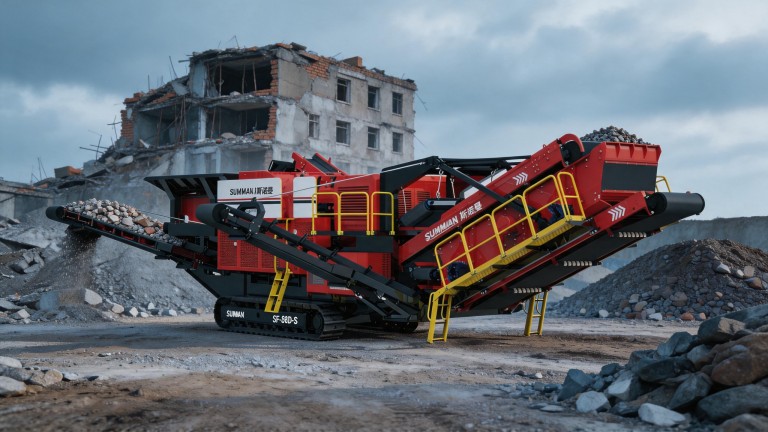
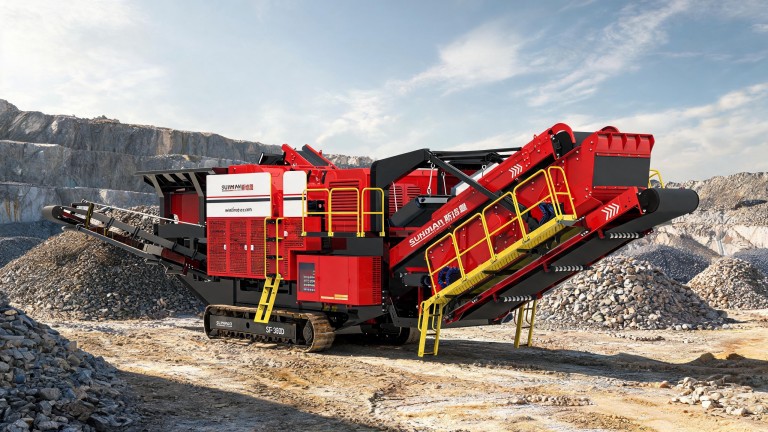
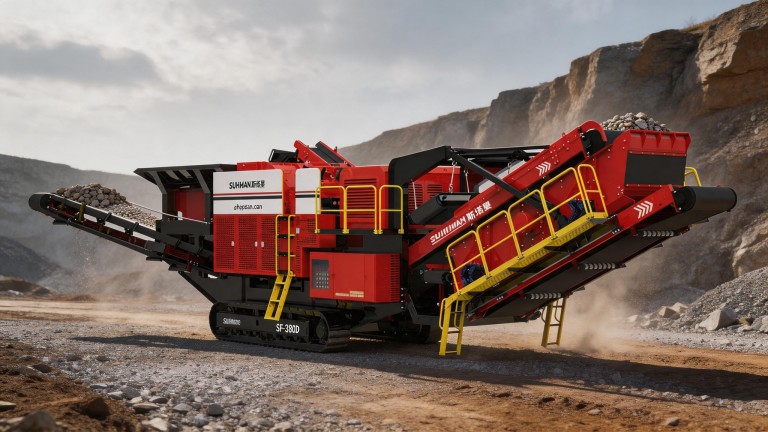
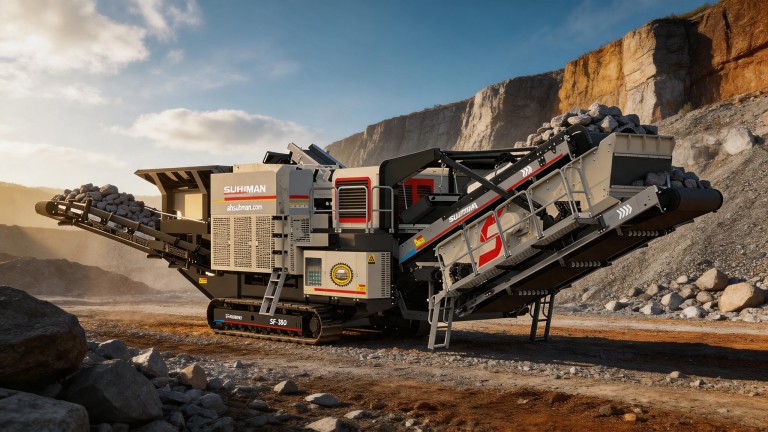
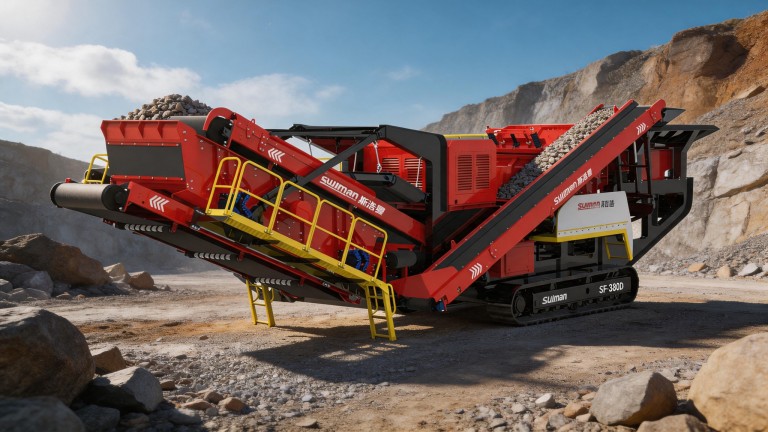
The choice between a mobile and a stationary crusher should be based on production requirements, operating conditions and budget: stationary crushers are suitable for permanent sites with high processing volumes, whilst mobile crushers are ideal for work at various remote sites, helping to reduce logistics costs.