Don’t go!
Please get in touch, and our engineers will draw up a bespoke solution for your project.

Calculating the throughput of a crushed stone production line is a key stage in its design and operation, helping to prevent downtime and overloads. A correct calculation involves determining the parameters of the components, modelling the flow of raw materials, and adjusting the figures to suit the specific conditions of the plant. Common errors include ignoring the difference between rated and actual capacity, failing to account for maintenance time, and mismatched throughput capacities of the plant components. The calculations are verified by conducting an 8–12-hour trial run of the line, and the parameters are adjusted if deviations exceed 10%.

Mobile crusher servicing in Russia: look for service providers through official dealers or reputable specialist service centres; do not use random mechanics. The cost ranges from 15,000 to 150,000 roubles, depending on the complexity of the work, spare parts required, urgency and the model. To avoid overpaying, draw up a schedule for routine maintenance, compare quotes and clarify what is included in the price.

Crushers for processing tailings are a key piece of mining equipment. When selecting a crusher, the characteristics of the tailings, the required throughput and the desired product size are taken into account. During installation, a sturdy foundation is laid, clearances are adjusted, and safety guards and dust extraction systems are checked. During operation, care is taken to prevent metal contamination, wear on components is monitored, the crushing chamber is cleaned regularly, and the various assemblies are serviced.


When selecting a crusher for the primary crushing of copper ore, it is important to take into account throughput, feed size, ore hardness, energy consumption, the service life of wear parts, and the ease of replacing spare parts. It is best to order equipment from reputable mining manufacturers, as this will prevent downtime and reduce operating costs.

To choose the right crusher for river stone and pebbles, you need to assess the scale of the work and the required particle size of the finished product. Jaw or cone crushers are suitable for hard raw materials, whilst a rotary crusher is added at the final stage for cuboid material. It is more cost-effective to buy directly from official manufacturers rather than through intermediaries, who can increase the price by up to a third.

A low-dust limestone crusher with a sealed design and dust collection system captures up to 95% of dust, protects staff, reduces raw material losses and complies with environmental standards. When selecting a crusher, factors such as capacity, feed size, filtration type, output particle size and after-sales support are taken into account.

For processing basalt with a feed size of up to 600 mm, a PE series jaw crusher is ideal: it can withstand the stresses of crushing hard, abrasive raw materials; choose a model with a feed opening of 600 mm or more and reinforced, wear-resistant jaws. It is more cost-effective to buy directly from the manufacturer without intermediaries; this avoids mark-ups and provides free advice and warranty service.

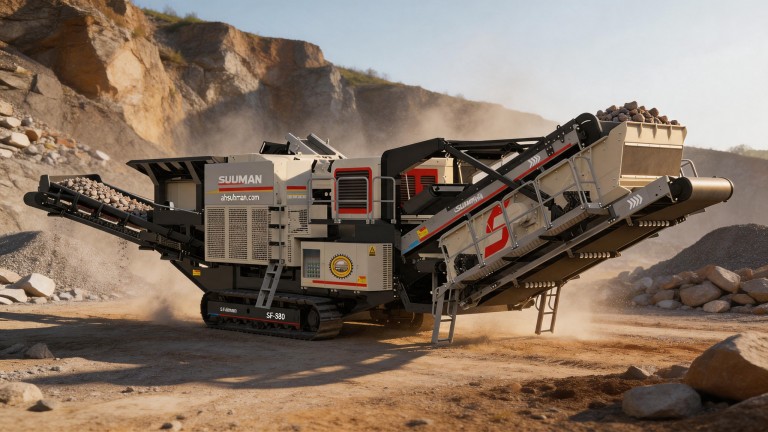
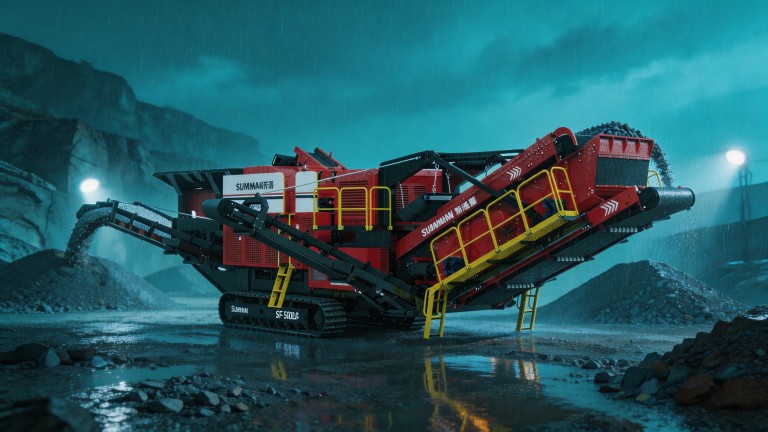
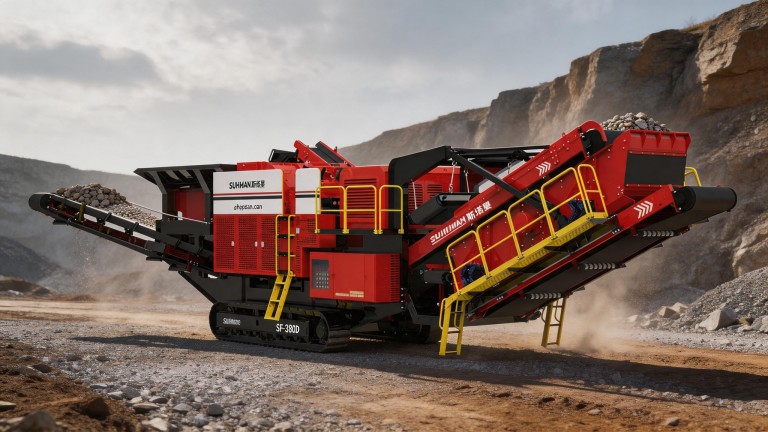
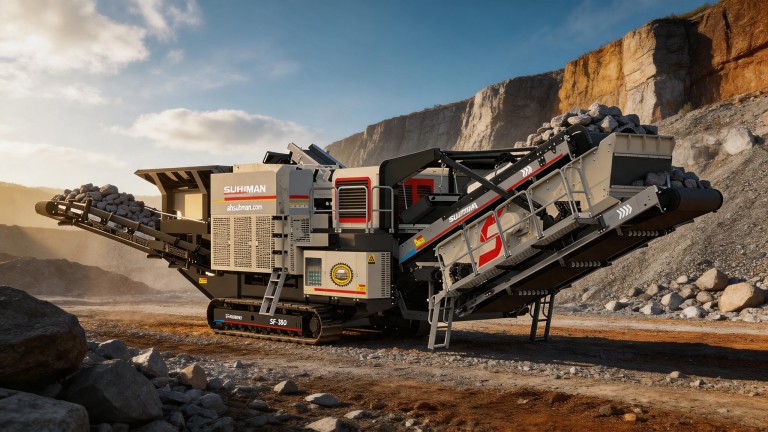
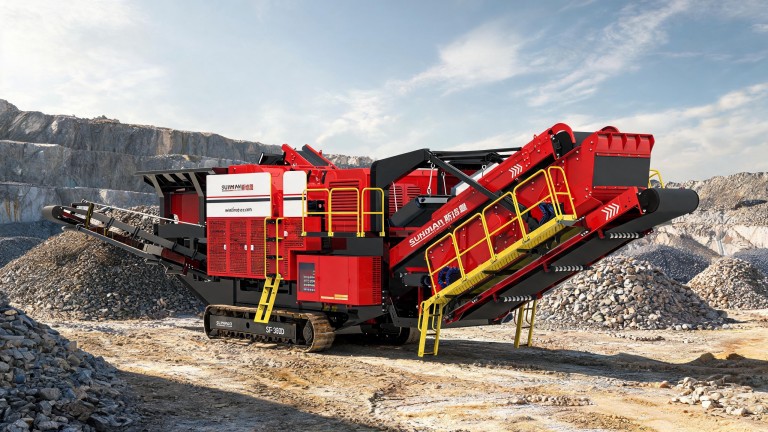
For a mobile crushing plant at a remote quarry, equipment is selected to suit the unstable infrastructure: based on the type of raw material (jaw crushers for hard rock, rotary crushers for soft rock), fitted with a diesel generator, and suitable for transport along dirt tracks. The site is levelled, the ground is compacted, and storage areas are set up. During the initial start-up, the components are checked whilst idling for an hour; consumables are stocked up; and the vibratory plates and belts are inspected once a week — this extends their service life by 30–40%.

A stationary crushing plant for a granite quarry processes hard granite into the required particle sizes. When making your selection, consider the throughput (10–15% above the planned level), the durability of the crushing units made from certified wear-resistant steel, the ability to adjust the output fractions, and the availability of affordable local spare parts for maintenance.

Комплекс дробления и сортировки производительностью 250 т/ч — надёжный помощник для горных и строительных предприятий. При его выборе нужно ориентироваться на три ключевых аспекта: адаптацию к свойствам сырья, согласованность производительности всех элементов и оценку ресурса службы, условий обслуживания и доступности запчастей.