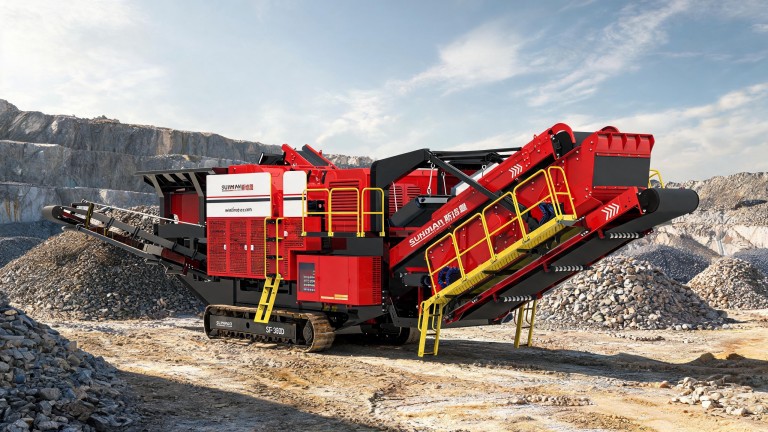
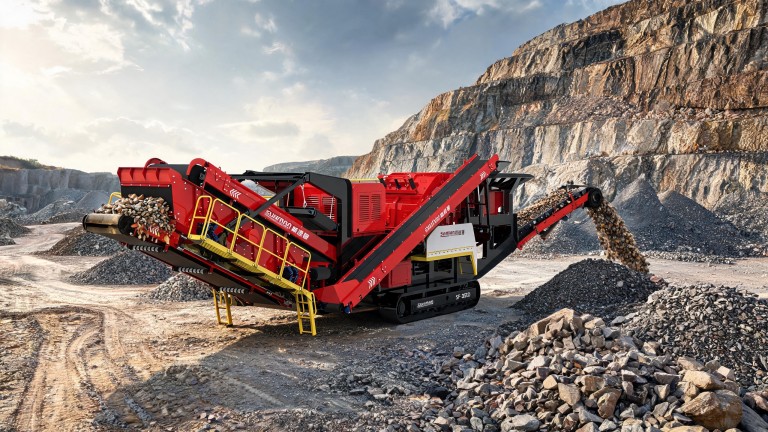
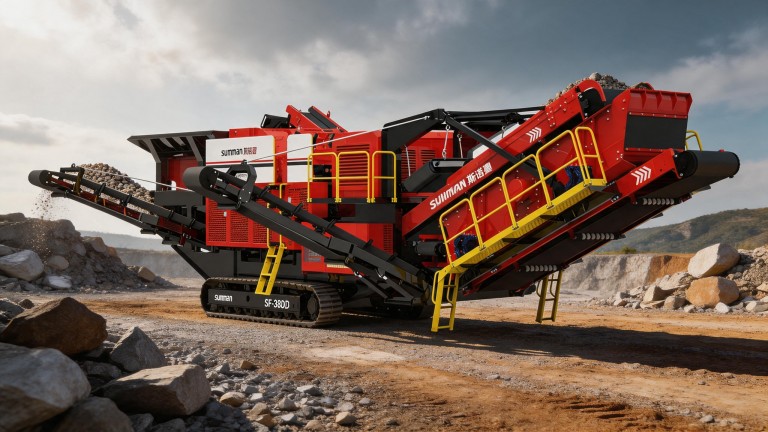
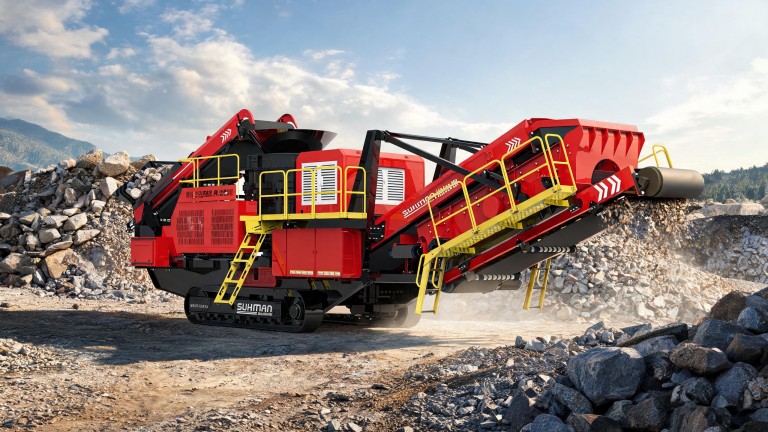
A low-dust limestone crusher features a well-designed, sealed construction and a built-in dust collection system; its main advantages are the protection of staff health, reducing raw material wastage and ensuring compliance with environmental standards; when selecting a model, factors such as capacity, feed size and the size of the site are taken into account.
Key benefits of the equipment
Thanks to its sealed housing and efficient filters, this crusher retains up to 95% of the dust generated during limestone crushing, not only preventing occupational illnesses amongst workers but also reducing losses of costly raw materials, and enables the company to avoid fines for breaching environmental protection regulations.
What to look out for when choosing
The first parameter is the required throughput: models with a capacity of up to 5 tonnes per hour are suitable for small production sites, whilst units with a capacity of 10 tonnes per hour or more are chosen for large production lines. It is also worth assessing the maximum size of the limestone chunks to be fed into the machine, to ensure the equipment can handle the incoming raw material without the need for additional pre-processing.
Additional selection criteria
It is worth clarifying the type of dust collection system: models with wet filtration perform better when the raw material has a high moisture content, whilst those with dry filtration are more economical to run. You should also take into account the required output particle size and the availability of manufacturer support in your region to avoid downtime in the event of breakdowns.