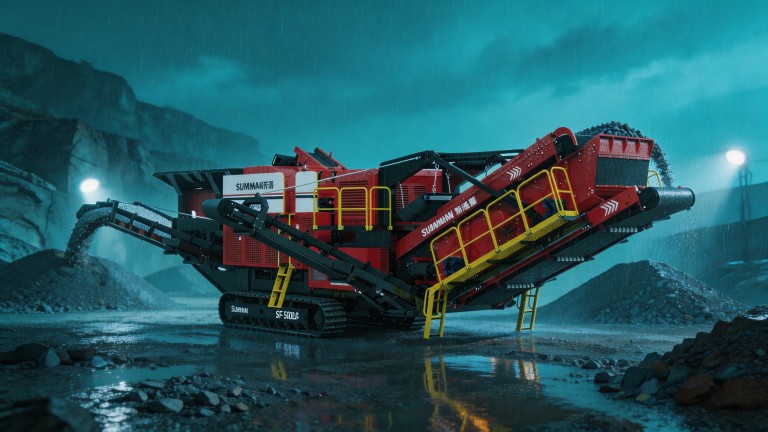
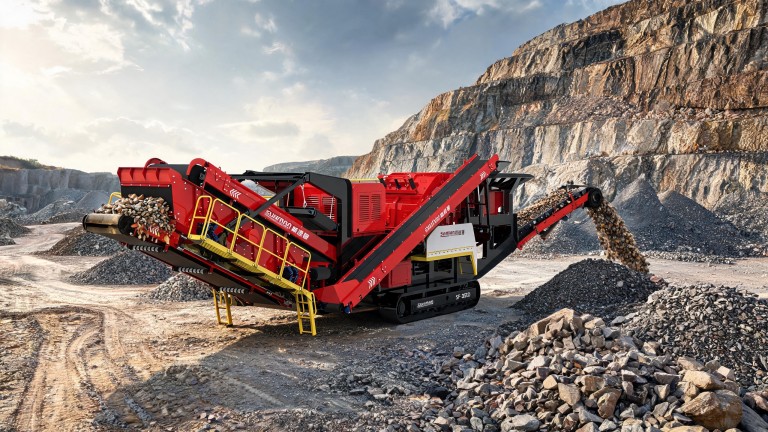
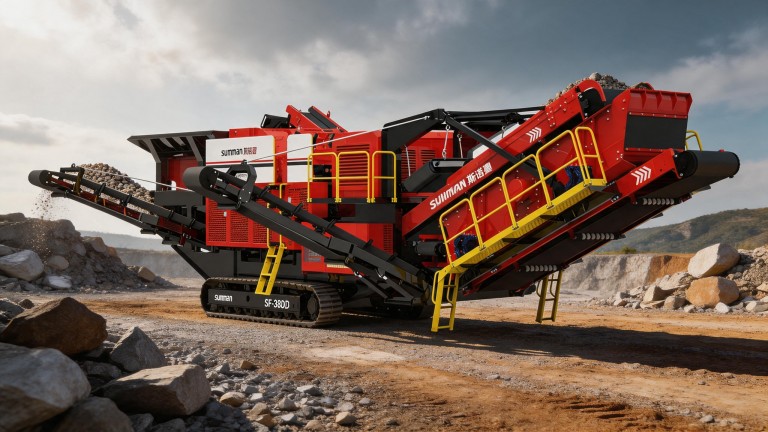
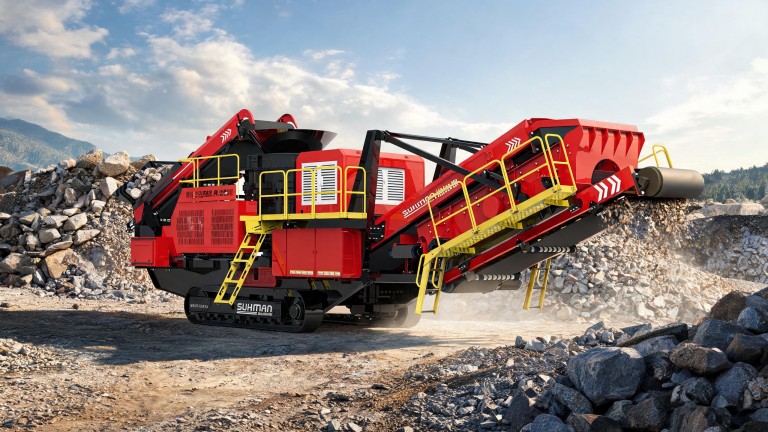
A stationary crushing plant for a granite quarry is a reliable piece of equipment that processes hard granite into the required sizes; when choosing one, you should take into account its capacity, the hardness of the raw material and the equipment’s service life to ensure you make the right purchase.
Determine the required capacity based on the production volume
Granite quarries handle large volumes of raw material, so the plant must be able to meet the daily production target without becoming overloaded; select a performance figure 10–15% above the planned volume, so that the capacity reserve protects against downtime during peak loads
Assess the structural strength against the hardness of granite
Granite is an ultra-hard rock, so the crushing units of the plant must be made from high-alloy steel that is resistant to abrasive wear. Check that certificates are available for the materials used in the crushing plates and rollers, as this directly affects the service life of the equipment.
Check that it is compatible with the required output fractions
Different customers require granite aggregate of different sizes, so the plant must have adjustable clearances between the crushing elements to enable the output to be quickly adjusted to the required particle sizes without having to replace a large number of parts
Bear in mind the cost of ongoing maintenance
Stationary systems operate in harsh conditions, so the costs of replacing wear parts and carrying out regular maintenance should not be excessive. Choose models for which spare parts are available from local suppliers, so you don’t have to wait months for them to be delivered.