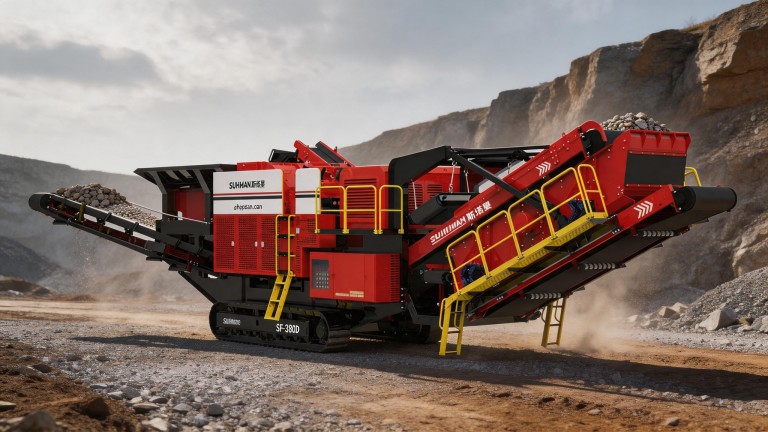
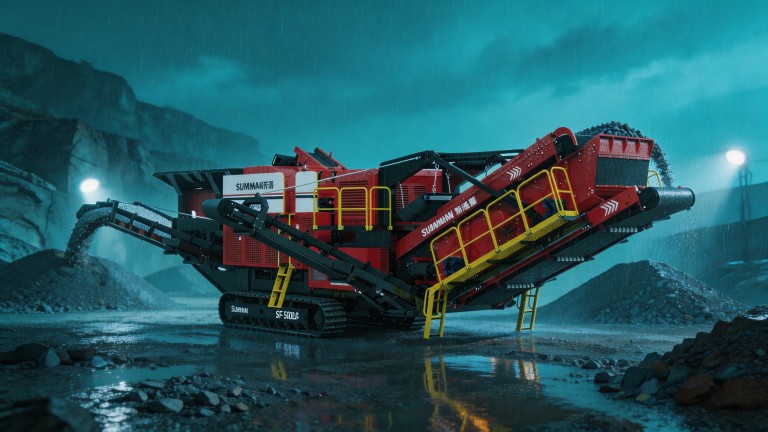
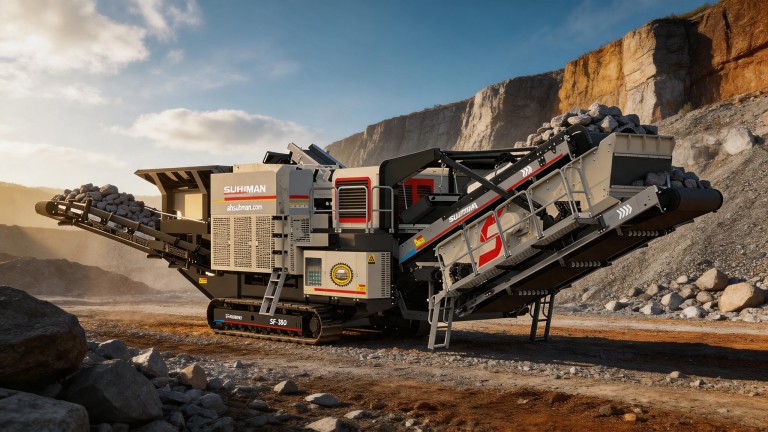
A crusher for processing tailings is a key piece of equipment for mining enterprises; choosing the right model and adhering to operating procedures have a direct impact on the efficiency of waste disposal and the reduction of production costs. The main criteria and recommendations are set out below.
Key criteria for choosing the right model
When making your selection, focus primarily on the physical and mechanical characteristics of the tailings, including hardness, moisture content and the size of the feed material; for highly hard materials, opt for jaw or cone crushers, whilst rotary models are suitable for soft and medium-hard materials. You should also take into account the required throughput and the final size of the crushed product, so that the equipment specifications precisely match the plant’s production requirements.
Installation and initial setup guidelines
Before starting up the equipment, it is important to ensure a level and stable foundation to prevent vibrations during operation; adjust the clearance between the crushing elements in accordance with the required size of the final fraction; check that all overload protection systems are in good working order and that the dust suppression system is connected, as the processing of tailings generates large quantities of fine dust, which is hazardous to staff health and may cause the equipment to fail.
Operating and Routine Maintenance Guidelines
Whilst the crusher is in operation, ensure that no foreign metal objects enter the crushing chamber, as these may damage the crushing surfaces; regularly check the wear on the working parts and replace them if any obvious defects appear; Also, clear the crushing chamber of any accumulated material residues in a timely manner, and carry out a weekly check of the fastenings on all assemblies and lubrication systems; this will help to extend the service life of the equipment and avoid unscheduled production downtime.