Don’t go!
Please get in touch, and our engineers will draw up a bespoke solution for your project.

During standard operation of a rotary crusher processing limestone, the fines content ranges from 12 to 22%; this is influenced by the feed size, rotor speed and wear on the hammers; it can be reduced by increasing the clearance between the hammers and the plates.

When crushing limestone to 0–40 mm using various crushers, the yield of the 0–5 mm fraction ranges from 32 to 45%, depending on the gap width, moisture content, strength of the raw material and impurities.

Concrete containing metal mesh is processed without sorting, in accordance with the crusher’s permissible parameters: 82% Russian sites will be using this technology in 2026; it is 18% cheaper and has restrictions on the size of the inclusions.

When the output size of crushers is reduced from 40 to 20 mm, wear on the working parts increases by 68–72%; this varies depending on the raw material and equipment, and can be reduced by optimising the parameters.

For limestone containing silica (3-8%), high-chromium nickel alloy hammers (22-25% chromium) are ideal, which is 2.7 times more wear-resistant than carbon steel and has a service life of 324 hours; test every 40 hours.

When producing 100,000 tonnes of crushed stone per year, the recommended stock level of hammer sets in the warehouse is 18–22 sets; this figure depends on the hardness of the rock and is reviewed once a year; falling below 16 sets increases the risk of the production line coming to a standstill.

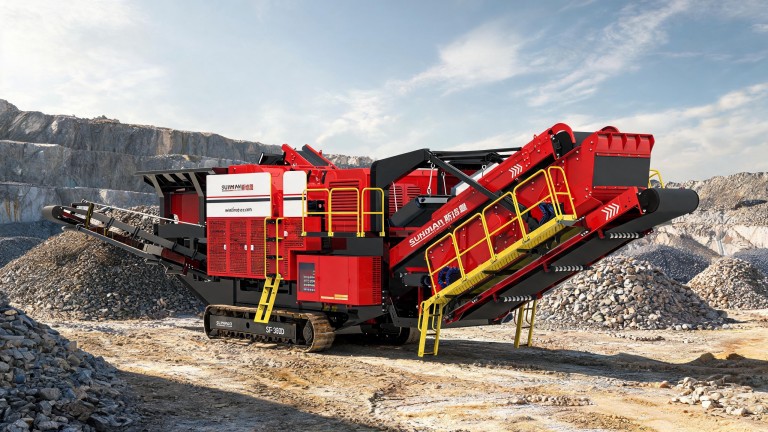
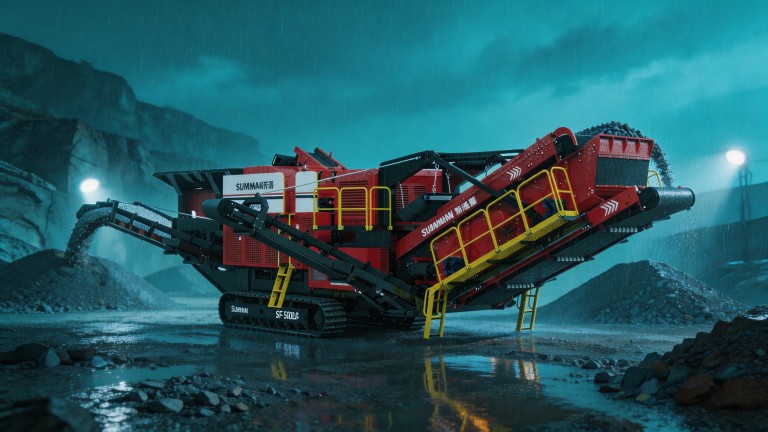
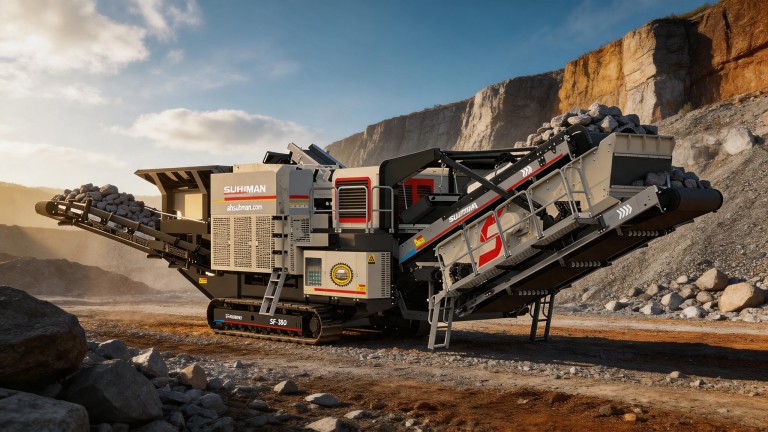
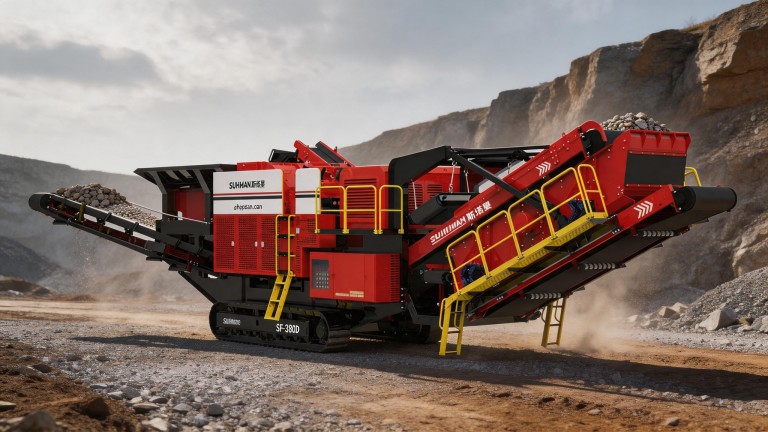
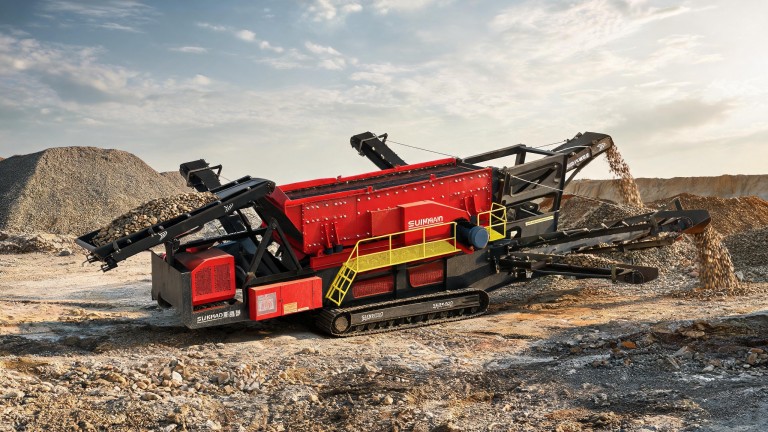
Mobile jaw crushers consume 18–52 litres of diesel per hour when fully loaded (depending on their size); fuel consumption is influenced by the engine, the material, the temperature and maintenance.

The actual output of mobile crushers over an 8-hour shift ranges from 80 to 320 tonnes, depending on the type of raw material, moisture content and the type of crusher (jaw crusher: 80–180 tonnes; cone crusher: 160–320 tonnes).

To ensure the smooth running of a quarrying operation, it is important to choose the right rock crusher: take into account the hardness of the rock, the required particle size and the throughput. Buy from authorised distributors or at trade fairs; avoid untested sellers; and check the documentation and warranty.

For a new quarry, a crusher is selected based on the rock type, the required particle size and capacity. It’s best to buy directly from manufacturers — you’ll save up to 30%, and you’ll get a warranty and after-sales service without any mark-ups from middlemen.