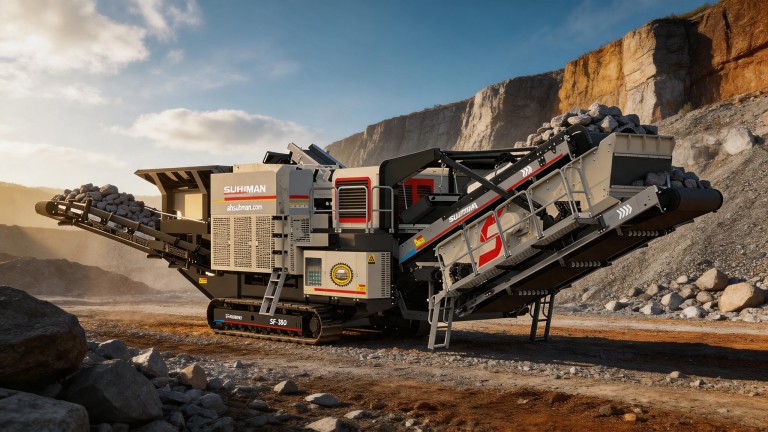
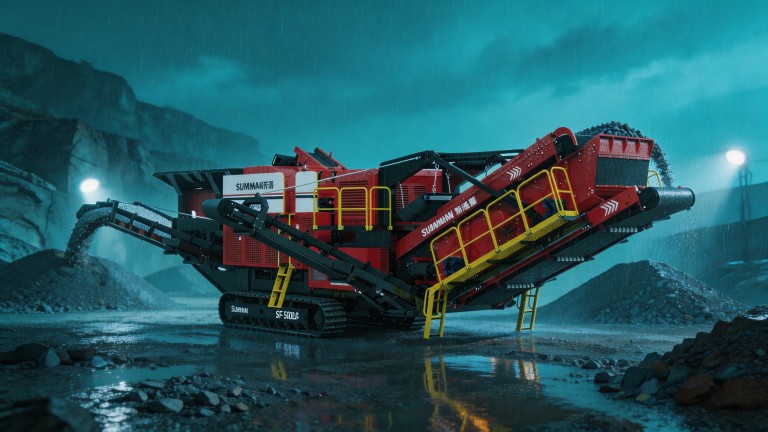
A heavy-duty jaw crusher for quartzite requires careful selection at the time of purchase, and during operation, users often make common mistakes that shorten the equipment’s service life and reduce its efficiency; it is therefore important to take key parameters into account from the outset and avoid typical pitfalls.
Key factors to consider when choosing a crusher
When selecting equipment, focus first and foremost on the strength of the jaw plates; they must be made of wear-resistant alloy steel capable of withstanding quartzite hardness of up to 300 MPa, also check the drive power, which must correspond to the processing capacity, and the adjustment range of the output fraction to ensure it suits your production requirements. It is not worth skimping on the main working components, as they come into direct contact with the hard material and wear out the quickest.
Common operational errors
The most common mistake is feeding oversized pieces of quartzite into the crusher that exceed the permissible size of the feed opening; this leads to the mechanism jamming and the jaws becoming deformed. Users also often neglect to lubricate moving parts regularly and to replace worn components in good time, which increases the load on the drive several-fold and causes the equipment to fail well before its stated service life.
Rules for extending the service life
To ensure the crusher operates reliably for many years, adhere to the loading specifications, do not overload the equipment beyond its rated capacity, carry out routine inspections of the jaw plates and bearings every 200 hours of operation, and adjust the gap between the jaw plates in accordance with the required particle size of the finished product. At the first signs of wear, replace parts immediately without waiting for the mechanism to fail completely; this will help avoid costly major repairs in the future.