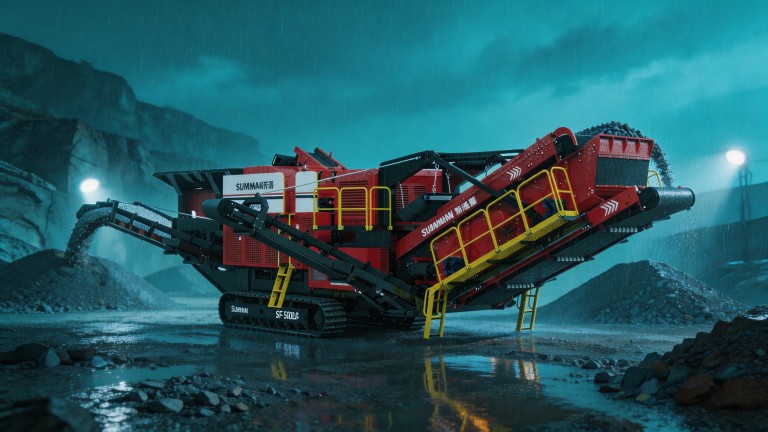
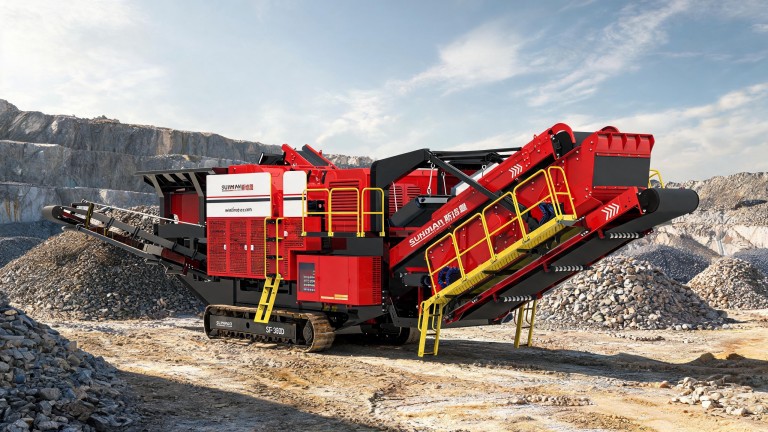
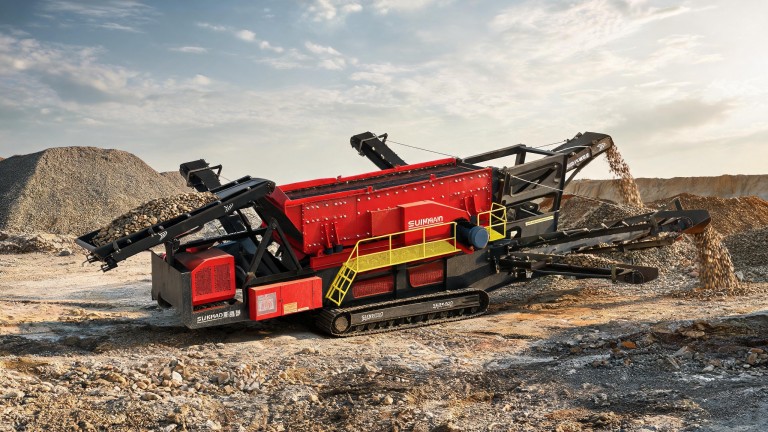
A jaw crusher with a capacity of 250 tonnes per hour will prove a reliable asset in your production process, but choosing the right model has a direct impact on its service life and operational efficiency; it is sufficient to assess the key specifications and features before purchasing to ensure you make the right choice.
Assessment of material properties for recycling
First and foremost, you need to take into account the hardness and size of the raw material; if the material is highly abrasive, it is advisable to choose models with reinforced side plates made of wear-resistant steel, as this will prevent the need for frequent replacement of parts and avoid unnecessary maintenance costs during operation.
Testing the actual performance of the equipment
You shouldn’t rely solely on the figures quoted by the manufacturer; you need to compare the performance figures with the conditions of your production cycle, and ensure that the crusher consistently produces 250 tonnes per hour under standard load, does not overheat and does not malfunction during prolonged periods of operation.
Analysis of after-sales support and the availability of spare parts
Even the most reliable machinery requires periodic maintenance, so check in advance whether the supplier has local spare parts warehouses and certified technicians in your region; this will enable faults to be rectified quickly and prevent the production process from being halted for long periods, which is critical for the continuous operation of the production line.