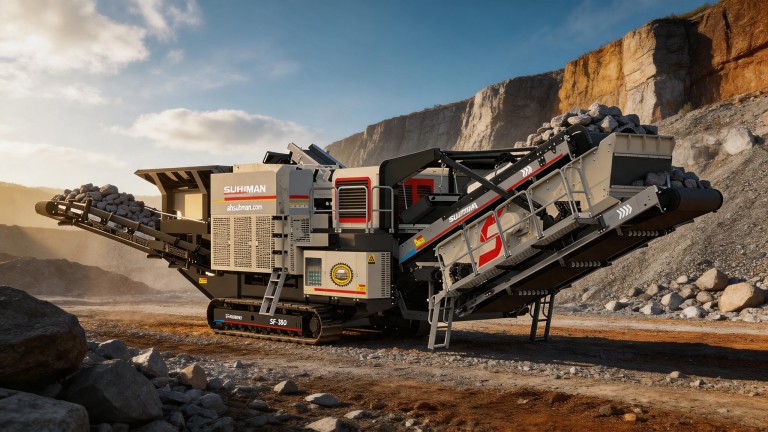
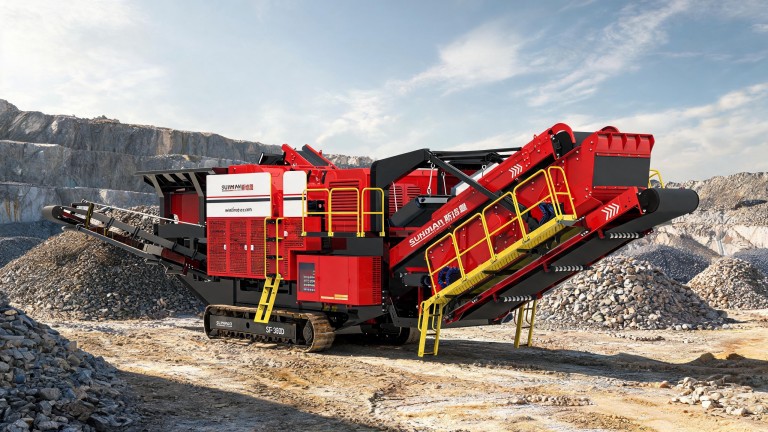
The layout of a crushing and screening plant with a capacity of 200 tonnes per hour is a key element of mining and construction operations; when designing such a plant, it is important to take into account the loads, logistics and the compatibility of components; common mistakes include underestimating peak loads and selecting the wrong equipment.
Key parameters of the basic circuit
The 200 t/h plant comprises a feed hopper, a jaw crusher for primary crushing, a cone crusher for secondary and tertiary crushing, vibrating screens and belt conveyors for transporting the fractions; each unit is selected to suit the type of feed material and the required final particle sizes.
Key guidelines for design
First, laboratory tests are carried out on the raw materials to assess their abrasiveness and strength; the power reserve of the drives is calculated to be at least 15% of the rated load, and provision is made for clear space for servicing components and bypass routes for the emergency removal of raw materials in the event of individual sections being shut down.
Common mistakes made by professionals
The most common errors are selecting screens with insufficient working surface area, which leads to overloading and incomplete fraction sorting, as well as failing to take into account the vibrational compatibility of individual components, which reduces the service life of the supporting structures and leads to unscheduled stoppages.