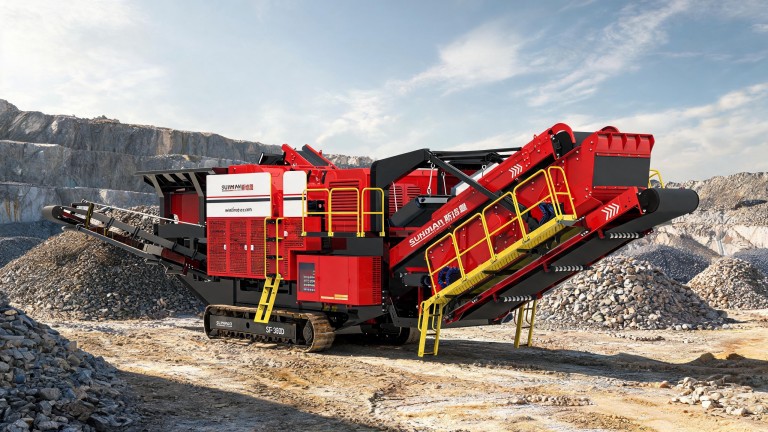
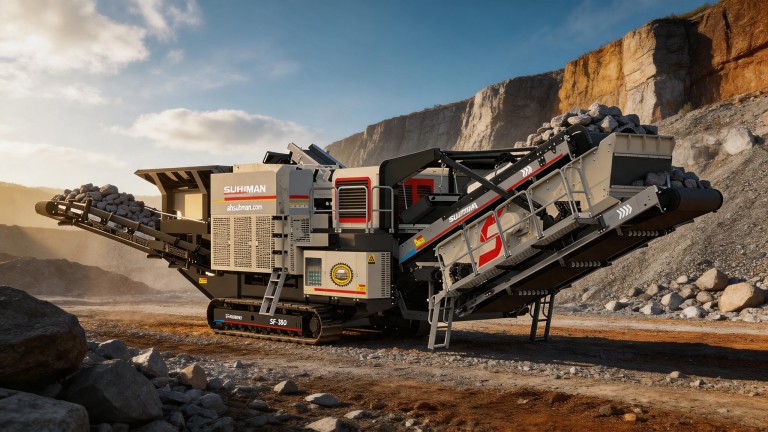
High-strength quartzite is a challenging material; selecting and configuring the crushing line requires a precise approach. The most suitable equipment is chosen based on the hardness and particle size of the feed material, and common mistakes can easily be avoided by carrying out preliminary load calculations.
How to choose the main equipment for crushing quartzite
Jaw crushers are best suited for primary crushing, as they can withstand the constant load from hard quartzite without wearing out quickly; for the secondary stage, cone crushers are used, as they ensure a uniform particle size of the finished product without excessive dust; hammer crushers should not be chosen, as they break down quickly when processing high-strength raw materials.
Common mistakes when setting up a crushing line
The most common mistake is setting the throughput too high; this causes the equipment to operate at the limit of its service life and fail prematurely. the second common problem is incorrect clearance between the working parts, which leads to substandard output and increased electricity consumption; furthermore, the dust extraction system should not be neglected, as quartzite dust is hazardous to health and causes bearings to fail.
Rules for ensuring the stable operation of the line
Check the condition of wear parts regularly, replace them before they fail completely, ensure a steady feed of raw materials without sudden fluctuations in volume, and carry out scheduled maintenance in accordance with the manufacturer’s schedule; this will extend the service life of the equipment by 1.5–2 times and reduce repair costs.