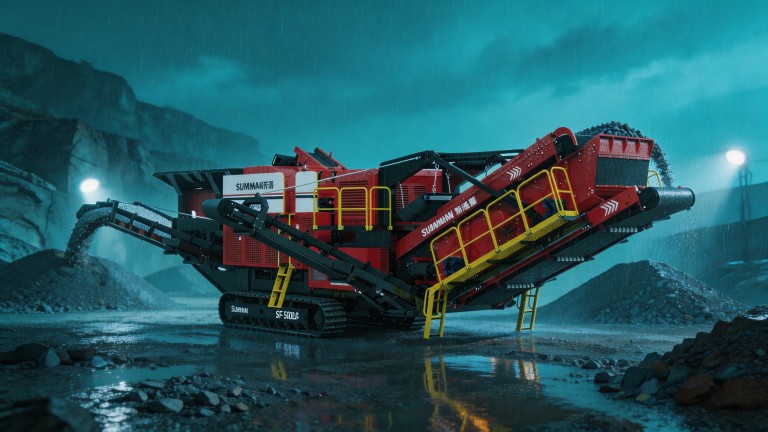
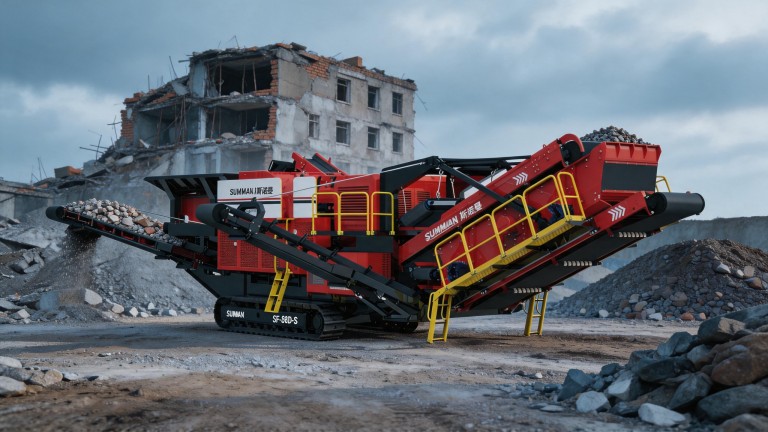
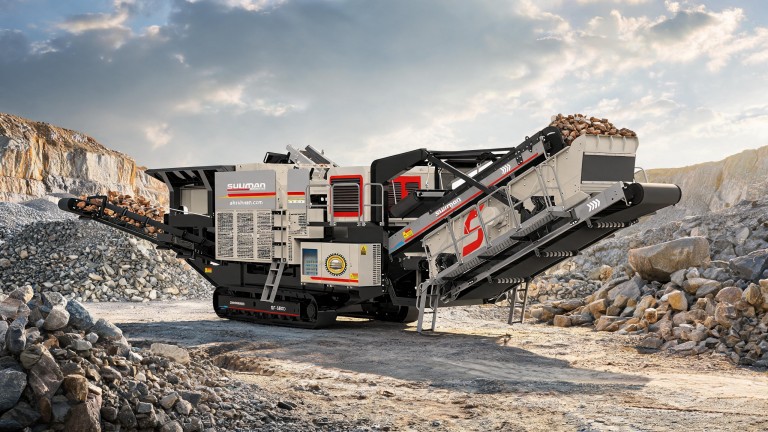
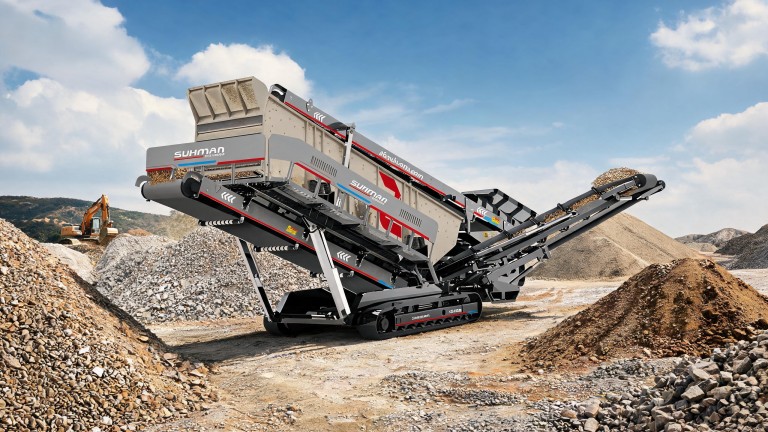
Diesel generators and the mains supply have long been locked in a relentless battle for the right to be the primary power source for crushing plants, and the key argument in this debate is the total cost of the crushing process, which depends on a multitude of interrelated operational and infrastructure factors, making it impossible to unequivocally state that one option is unconditionally more cost-effective than the other in all scenarios.
Basic operating costs
The cost of diesel-powered units includes the price of fuel, which varies depending on market prices and the distance to the delivery point, as well as regular maintenance, filter and engine oil changes, which on average account for between 15 and 25 per cent of total annual power costs. Fixed electricity grids, on the other hand, have a stable tariff per kilowatt-hour, which is virtually unaffected by external logistical challenges, but requires account to be taken of transmission losses over long distances from the substation to the equipment installation site.
Initial capital expenditure
Connecting to the national grid often requires the construction of a dedicated transmission line, the installation of a transformer substation and approval from the regulatory authorities, which can cost a sum comparable to the purchase of a new diesel generator with a capacity of up to 500 kW, especially if the quarry or production site is located in a remote, underdeveloped area. A diesel generator, on the other hand, does not require any prior infrastructure preparation; it is simply a matter of delivering it to the site, connecting it to the crushing plant and putting it into operation almost immediately upon delivery.
Downtime costs and reliability
Diesel-powered units are prone to more frequent breakdowns due to the high load on the engine during continuous operation, and downtime caused by a lack of fuel in remote areas can result in losses of up to 30 per cent of the planned monthly crushing volume. The electricity grid provides a stable power supply provided there are no major faults on the main lines, but sudden, unannounced power cuts can damage sensitive components of crushing equipment, resulting in additional costs for repairs and the restoration of the production cycle.
Final recommendation on selection
For short-term projects lasting up to three years, or for work at remote sites without well-developed infrastructure, diesel generators prove to be the more cost-effective option in terms of the total cost of crushing. For stationary production facilities with a planned operational life of more than five years, connection to the mains supply offers long-term savings of 20–40 per cent, depending on current electricity and diesel fuel tariffs.