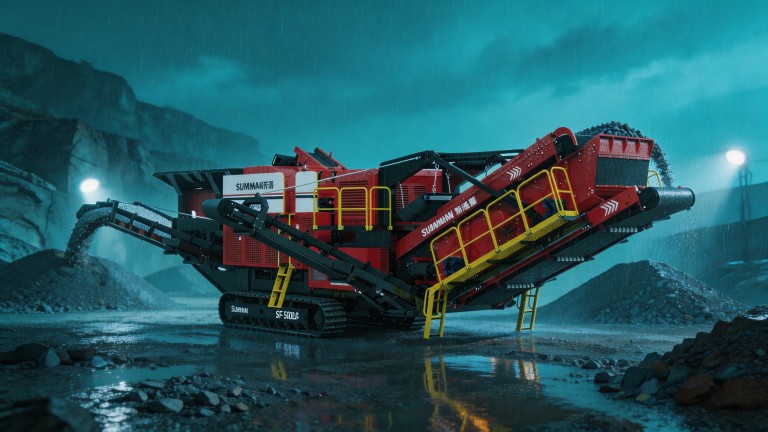
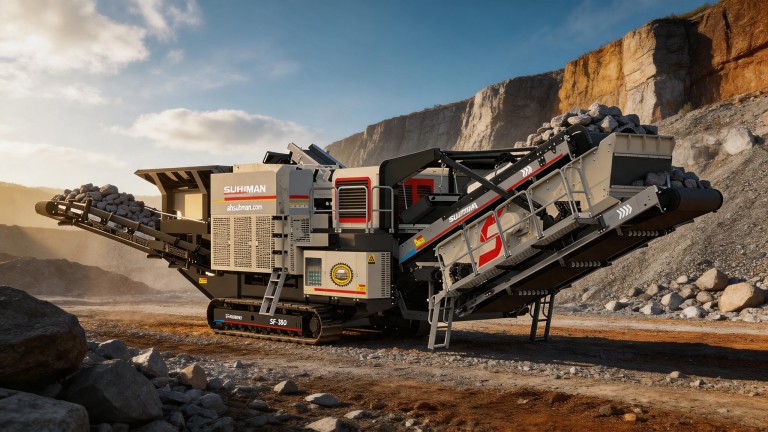
The service life of crusher liners and linings directly determines the operational efficiency of the entire crushing plant; it depends on the characteristics of the raw material being processed, operating conditions and the regularity of maintenance; proper monitoring of these parameters can significantly extend the service life of components and reduce repair costs.
Key factors affecting the service life of components
The service life of the hammer plates and liners is primarily influenced by the hardness and abrasiveness of the material being processed; when working with highly abrasive rock types, wear on these components is accelerated several-fold, this figure is also influenced by the frequency of the hammers’ impacts and the force of friction exerted by the raw material against the inner surfaces of the liners.
Standard service life indicators
Standard service life figures for standard crusher components when processing moderately abrasive raw materials range from 3 to 6 months for hammers and from 6 to 12 months for liners; when operated in a gentle mode, these figures may increase by 30–40%, whilst when processing hard rock, they may be reduced to 1–2 months for hammers.
Methods for extending the service life of components
To extend the service life, components are selected from high-alloy wear-resistant steels containing chromium and manganese; Timely balancing of the crusher rotor and adjustment of the clearances between the hammers and liners are also effective, preventing an unnecessary increase in the load on the components.
Monitoring the condition of components during operation
Regular visual inspections of the surfaces of the bils and linings should be carried out to check for cracks, chips and uneven wear should be carried out at least once every two weeks during intensive operation; the timely replacement of worn components prevents breakdowns of the entire equipment and stoppages in the production process.
The economic benefits of proper maintenance
Adherence to maintenance regulations and the timely maintenance of hammer plates and linings makes it possible to reduce the cost of purchasing spare parts by 25–30% annually, as well as increasing the overall productivity of the crushing plant by reducing the time spent on scheduled and unscheduled repairs.