Don’t go!
Please get in touch, and our engineers will draw up a bespoke solution for your project.

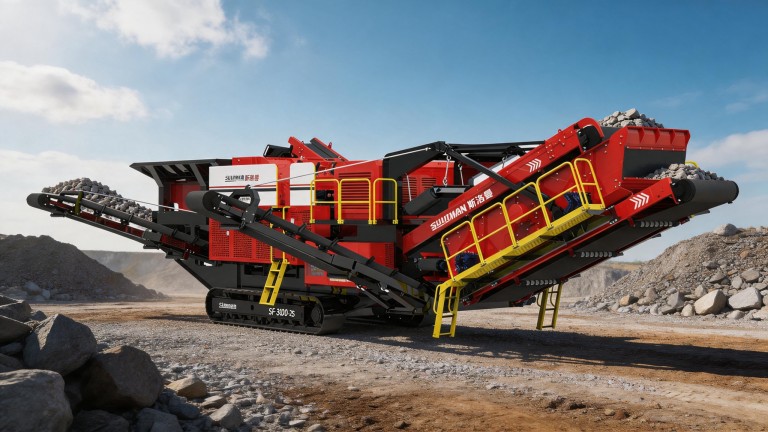
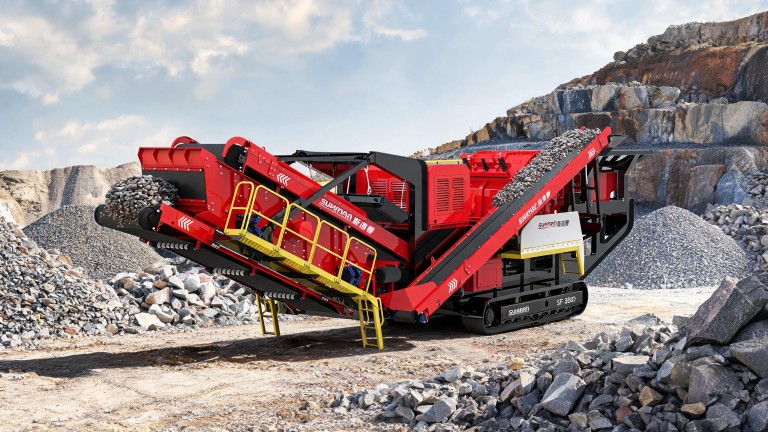
A rotary crusher for producing cuboid-shaped crushed stone is an indispensable piece of construction equipment that produces high-quality output. When choosing one, consider its capacity, the size of the feed material, the crushed stone size, the drive type and the service life of the components. It produces uniform, cuboid-shaped crushed stone, which enhances the strength of structures. To ensure a long service life, check the blades regularly, avoid overloading the machine and carry out routine maintenance.

A rotary crusher with a capacity of 150 tonnes per hour is in high demand; its price depends on the materials, the rotor, the automation, the specifications and the manufacturer. It is more cost-effective to buy directly from official manufacturers, avoiding cheap offers from dubious suppliers. Before purchasing, check the certificates and warranty, and consult specialists to ensure the machine is suited to your specific requirements.

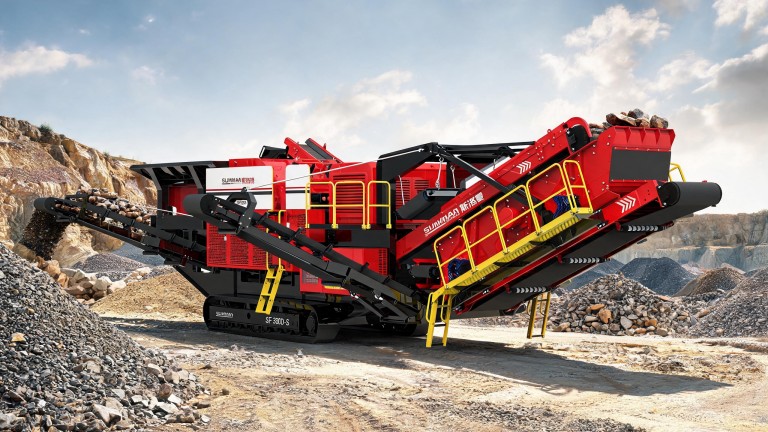
The 2026 mobile rotary crusher for construction waste processes waste directly on site, saving on removal costs and producing reusable material. When choosing a model, consider its capacity, rotor type and manoeuvrability; the 2026 models feature built-in safety protection and are fuel-efficient. Order from official distributors, compare offers – for small businesses, leasing options are available with no initial deposit.

A rotary crusher for limestone should be selected to suit the production requirements, without overpaying for unnecessary features. Key criteria: throughput, particle size distribution and the service life of the hammers. It is not worth chasing the lowest price or buying an overly powerful model. To save money, contact reputable manufacturers directly, compare quotes and decline any unnecessary services.

The liners in cone crushers protect the equipment from impact and friction; the choice of liners affects the service life of the machinery and the cost-effectiveness of operations. When selecting parts, consider the material in relation to operating conditions and compatibility with the crusher model; check certificates and the condition of the parts; buy from authorised dealers; and do not compromise on quality.

Spare parts for hydraulic cone crushers are essential for their reliable operation; when selecting them, ensure they are compatible with your model and made from wear-resistant chromium-alloyed steel. Choose suppliers with at least five years’ experience, relevant certifications and references from the mining and construction sectors; do not be tempted by low prices, and ensure the warranty is for at least 12 months.

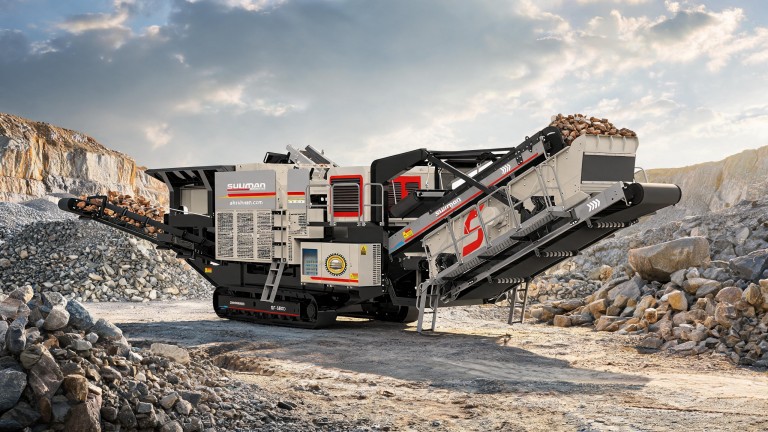
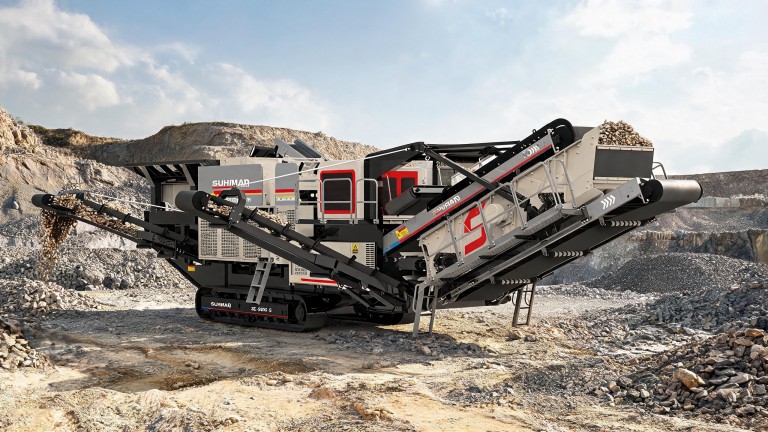
A cone crusher is a key piece of equipment in a crushed stone production line: it is selected based on its capacity (with a margin of no more than 20%), the hardness of the raw material and the required size of the final product. During operation, ensure no metal enters the machine, monitor lubrication, avoid prolonged periods of excessive load, and adjust the clearance. Regular maintenance carried out according to schedule extends the service life by 40% and prevents downtime.

To ensure consistent performance and low operating costs for a cone crusher used to process iron ore, it is necessary to: select the crusher based on the characteristics of the raw material, the finished product and the production line; carry out regular maintenance; and optimise a uniform feed of raw material free from foreign objects.

A cone crusher for the 5–20 mm size range is selected based on the type of crushing chamber, capacity and the hardness of the raw material. During operation, it is necessary to monitor the clearance between the cones and to lubricate the components in good time. It is more cost-effective to buy directly from reputable manufacturers who offer a warranty and have service centres.

A self-adjusting cone crusher is an efficient piece of equipment for crushing mineral raw materials: it offers stable throughput, a low failure rate, automatic gap adjustment and protection against jamming. When selecting a model, consider the type of raw material, throughput, particle size, installation space and the availability of spare parts; compact models are suitable for small to medium-sized operations, whilst heavily loaded production lines require models with real-time monitoring – opt for tried-and-tested manufacturers.