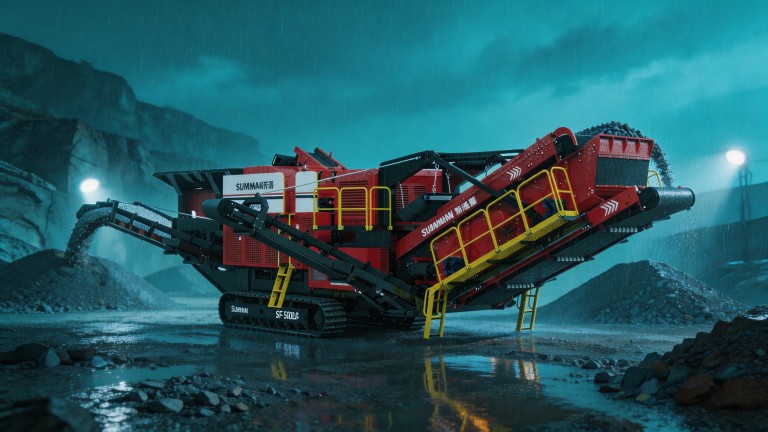
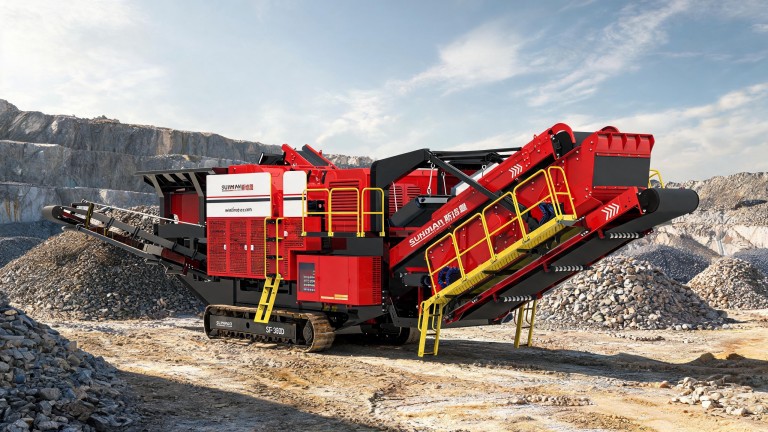
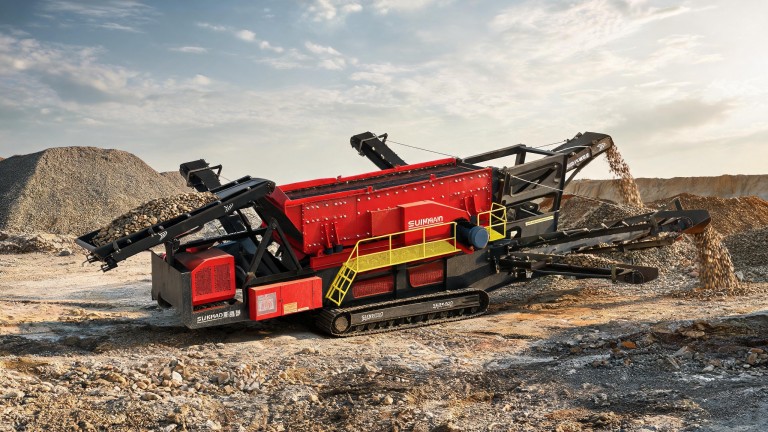
A cone crusher for the secondary crushing of granite is selected based on its capacity, the hardness of the feed material and the size of the final product; It outperforms other crushing units due to its high crushing precision, low wear and stable operation when processing ultra-hard granite.
Key criteria for selecting the optimal model
When making a selection, the decision is based on the required throughput capacity for granite processing, the permissible size of the input blocks and the yield rate of the finished 0–40 mm fraction for construction purposes, as well as the service life of the working components and compatibility with the existing processing line.
Advantages over hammer and jaw crushers
Hammer mills wear out quickly when processing hard granite, whilst jaw crushers do not produce a uniform particle size; whereas a cone crusher operates on the principle of crushing within a closed chamber, eliminating over-grinding and reducing spare parts consumption by 30–40%.
Rules for long-term use
It is sufficient to check the clearance between the cones regularly, replace worn liners in good time and ensure that no pieces of granite larger than the permitted size are fed into the machine; this will ensure that the specified performance characteristics are maintained throughout the unit’s service life.