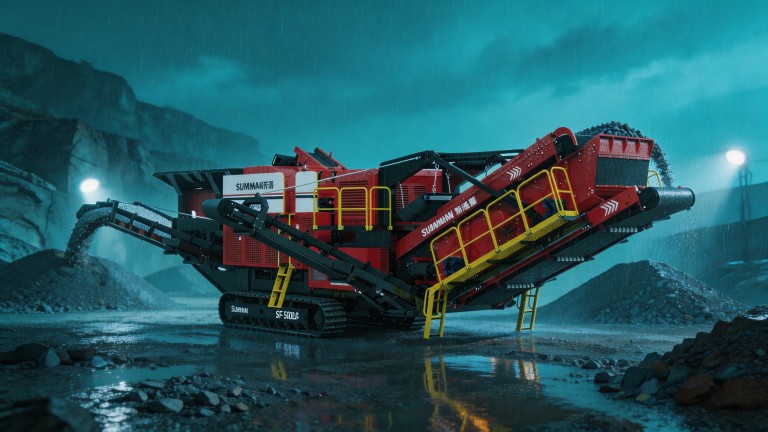
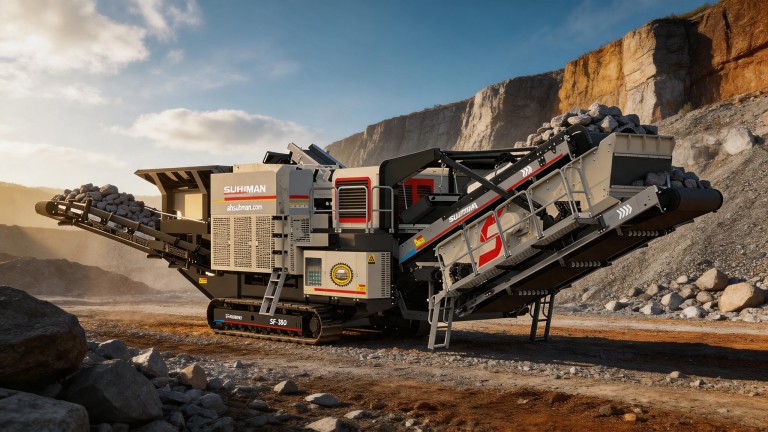
A cone crusher for a crushed stone production line is a key piece of equipment; the appropriate model is selected based on the line’s capacity and the hardness of the raw material being processed, and during operation, attention must be paid to lubrication, clearance adjustment and regular maintenance to ensure stable performance.
How to choose the right crusher model
First, compare the production capacity of the crushed aggregate production line with the crusher’s rated capacity; do not choose a model with a capacity exceeding 20% to avoid wasting resources; then take into account the hardness of the source rock – for hard granite and basalt, select models with a reinforced cone mechanism, whilst lighter versions are suitable for soft limestones. You should also base your choice on the required size of the finished crushed stone to select the appropriate adjustment range for the discharge gap.
Key operational features of the unit
First and foremost, ensure that no metal objects enter the working chamber, as such particles will instantly damage the cone and the support bearings; regularly check the level and condition of the lubricating oil; and replace it immediately if it becomes contaminated or its viscosity changes. Do not operate the machine under heavy load for more than 3 hours at a time, as this halves the unit’s service life. Also, adjust the outlet clearance in good time as the cone’s working surfaces wear to maintain a consistent size of the finished product.
Rules for routine maintenance
At the start of each shift, inspect the unit’s external fixings for looseness; check the condition of the contact surfaces between the cone and the crushing ring every 10 working days; change the lubricant completely and flush the oil supply system every three months; carry out a full inspection of the bearings and drive mechanism once a year; if any signs of wear are detected, replace the parts immediately before a complete failure occurs; this approach extends the service life of the 40% crusher and prevents unscheduled line downtime.