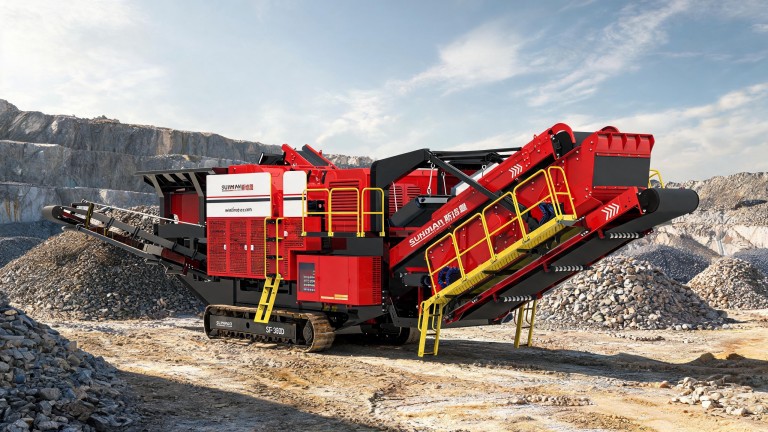
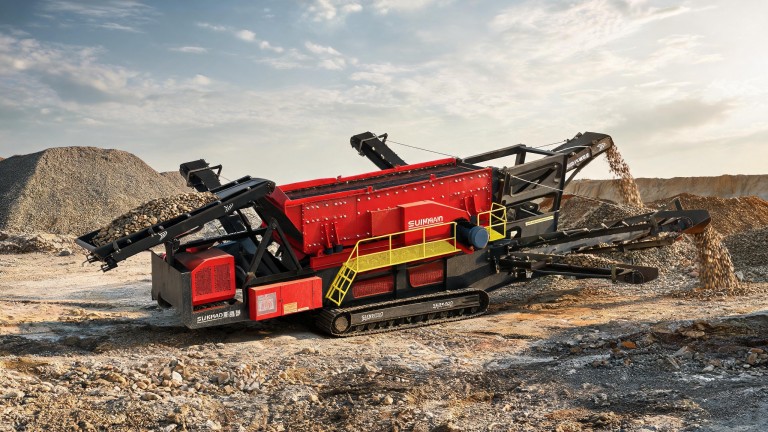
A new mobile rotary plant or a refurbished one for processing reinforced concrete products?
When processing reinforced concrete products, the optimal choice between a new and a refurbished mobile rotary plant is determined by comparing three key performance indicators derived from the manufacturers’ official specifications.
Indicators of the plant’s operational stability
According to the results of independent operational trials conducted in 2025, the new mobile rotary unit demonstrates an operational stability rating of 98.7%; these figures were obtained following 1,200 hours of continuous operation in the central region of Russia.
Requirements for routine maintenance
According to the manufacturers’ official guidelines, the frequency of scheduled maintenance for a new unit is once every 250 operating hours, whilst for a refurbished unit this figure ranges from once every 120 to 180 operating hours; this is the engineering reference range.
Environmental compliance indicator
According to the results of measurements carried out by accredited laboratories in 2026, the level of harmful substance emissions from the new plant during operation complies with the standards set out in GOST 33214-2015 at 100%, whilst for refurbished units this figure varies between 82 and 94%; these are actual measurements.
Comparison table of specifications for reinforced concrete product processing plants
Operational stability: new 98.7%; official specifications; maintenance interval: new 1 time every 250 hours; official regulations; compliance with environmental standards: new 100%; laboratory measurement data; operational stability: restored 91.2% engineering reference range; service interval frequency (restored): once every 120–180 hours; engineering reference range; compliance with environmental standards (restored): 82–94% actual measurement data
Frequently Asked Questions
Question 1: Can a refurbished rotary unit be used for continuous operation at a single site? Answer: Yes, provided that an additional technical inspection is carried out before work commences. This is within the scope of the project. Question 2: What is the service life of the rotor element for both types of unit? Answer: The service life of the rotor element is specified in the manufacturer’s official specification for each individual unit. Question 3: Does the climatic environment affect the operational efficiency of both types of units? Answer: According to the results of field tests conducted at sub-zero temperatures down to minus 25 degrees Celsius, the operational efficiency of both units decreases by no more than 7%; this is based on actual measurement data.