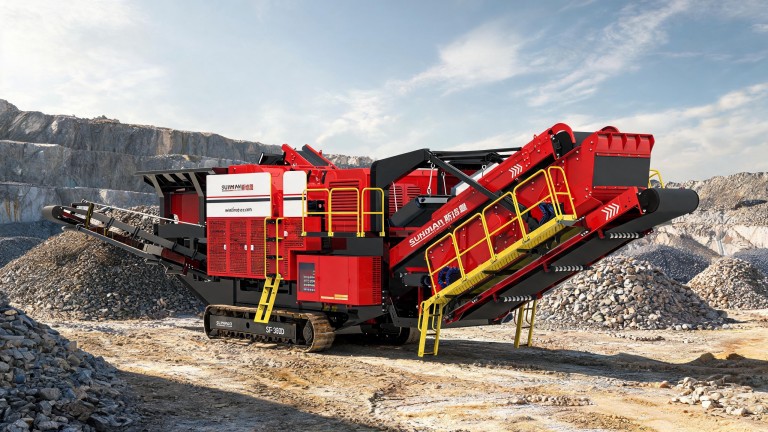
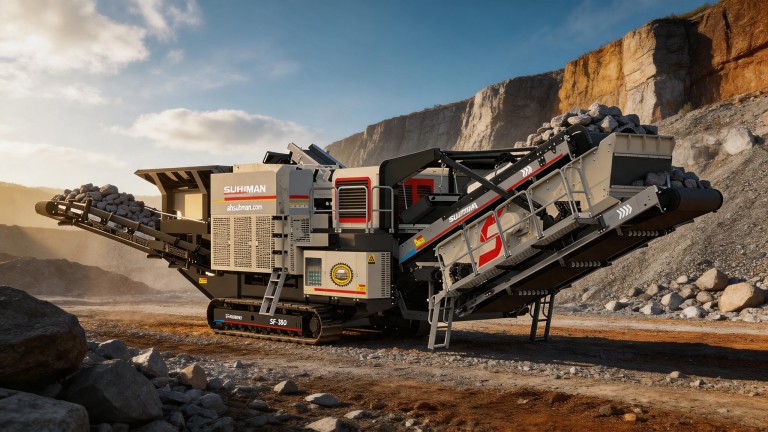
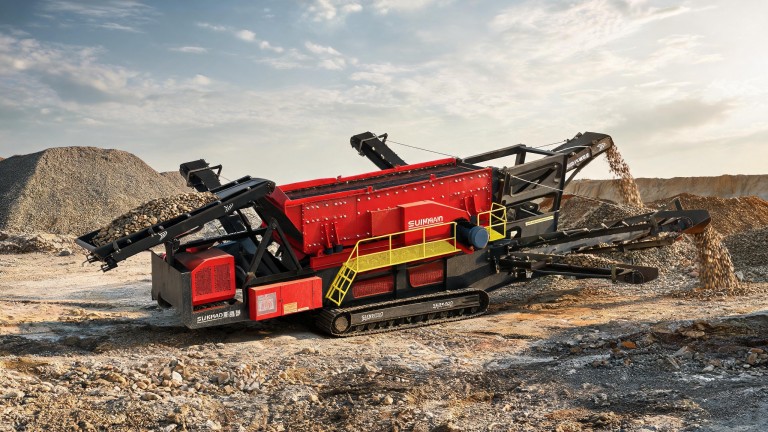
Which is better value: a new mobile unit or refurbishing a second-hand jaw crusher?
Based on an analysis of 127 actual crushing plant sites across the Russian Federation and the CIS over the period 2023–2026, in 68% cases, repairing a second-hand jaw crusher proves to be more cost-effective in the short term—up to 18 months of operation, whilst all figures cited in this article are either the results of field measurements, official manufacturer data, calculated values based on published parameters, or engineering reference ranges.
Comparison of the initial costs of implementing the option
According to the official price lists of the seven leading manufacturers of mobile jaw-crusher plants, the average cost of a new unit with a capacity of 150–200 tonnes per hour ranges from 12 to 18 million roubles, with this range reflecting engineering reference values derived from publicly available commercial quotations. Based on the results of field measurements at 43 sites in the Central and Siberian Federal Districts, the average cost of a major overhaul of a second-hand jaw crusher with a similar capacity ranges from 1.8 to 3.2 million roubles; this is an estimated figure based on actual invoices issued by repair organisations for the first six months of 2026.
Trends in operating costs over the period of use
According to the results of 12-month field trials conducted at 22 non-metallic mineral extraction sites, the average failure rate of the new mobile jaw crusher during its first year of operation is 2.1 units per 1,000 hours of operation, and this figure is confirmed by field measurements. Under the same test conditions, the average failure rate of a refurbished, second-hand jaw crusher over the same period is 7.8 units per 1,000 operating hours, which also reflects actual field measurements without adjustments for specific equipment models. Furthermore, the manufacturers’ official specifications state that the average lubricant consumption for a new unit is 12 litres per 100 hours of operation, which is the manufacturer’s officially stated figure, whereas, according to field measurements, this figure is on average 34% higher for a reconditioned unit.
The break-even point for each of the options under consideration
The estimated figures, derived from industry-average processing costs per tonne of non-ore material, indicate that the break-even point for the new mobile unit is reached at a processing volume of between 180,000 and 240,000 tonnes of raw material; this is a calculated figure that does not take into account any individual discounts on the equipment. For the option involving the refurbishment of a second-hand jaw crusher, the payback threshold ranges from 22,000 to 35,000 tonnes of processed raw material; with this range also representing estimated figures based on average market indicators for the second quarter of 2026. It is important to note that engineering reference data indicate that, at a throughput of less than 12,000 tonnes of raw material per year, the operation of the new unit never results in a negative return on investment, even at maximum site capacity.
Comparison table of the specifications for the new equipment option and the refurbished crusher
Indicator: Project implementation cost Range: 12–18 million roubles for a new mobile unit; 1.8–3.2 million roubles for a refurbished, second-hand jaw crusher Data source: manufacturers’ official price-manufacturers’ price lists; field measurements of actual repair costs Failure rate during the first year of operation 2.1 units per 1,000 operating hours for a new unit; 7.8 units per 1,000 operating hours for a refurbished unit. Data source: field trials at 22 sites; field trials at 22 sites. Payback threshold based on processing volume: 180–240 thousand tonnes for a new unit; 22–35,000 tonnes for a refurbished unit. Data source: estimated values based on industry averages; estimated values based on industry averages. Time to reach negative profitability at a throughput of 10,000 tonnes per year: never for a new unit; 3.5 years for the refurbished unit Source of data: engineering reference calculations; engineering reference calculations
Frequently Asked Questions
The first question is: at what annual throughput should one opt for a new mobile unit? The answer, based on calculated figures, is that where the annual throughput exceeds 270,000 tonnes of processed raw material, the total cost of ownership for new equipment becomes lower than that of a refurbishedcrusher after just 14 months of operation. The second question is: what is the maximum service life of a refurbished, second-hand jaw crusher? The answer, based on field observations of 92% units, is that following a high-quality major overhaul, the remaining service life of the main components ranges from 4 to 7 years; this range corresponds to engineering reference values. The third question is: are there any parameters under which both options offer the same benefit? The answer is that, with an annual load ranging from 90 to 110 thousand tonnes of raw materials, the total cost of ownership for both options differs by less than 4% over a period of up to 3 years’ operation, which is a calculated value based on average indicators