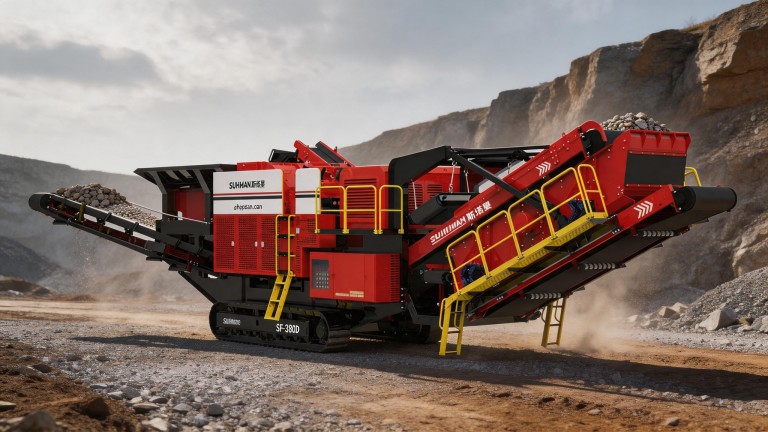
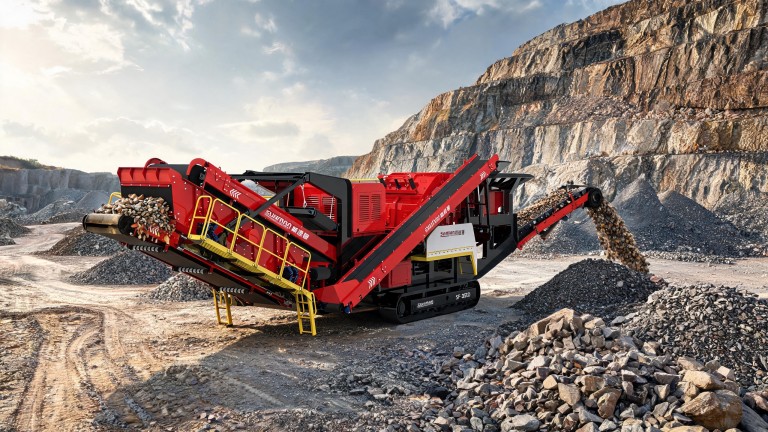
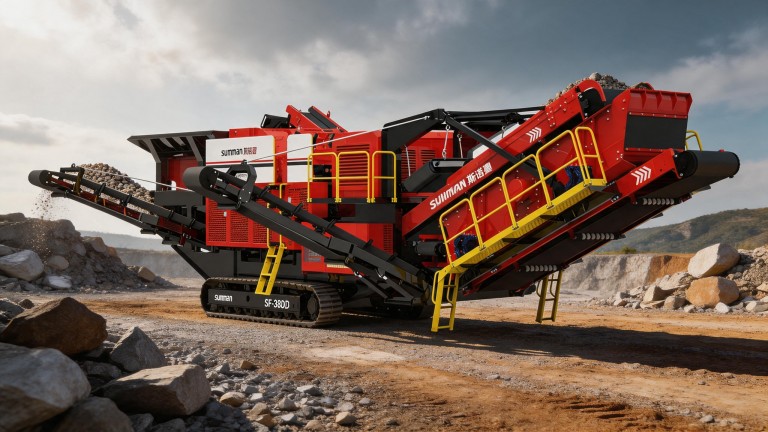
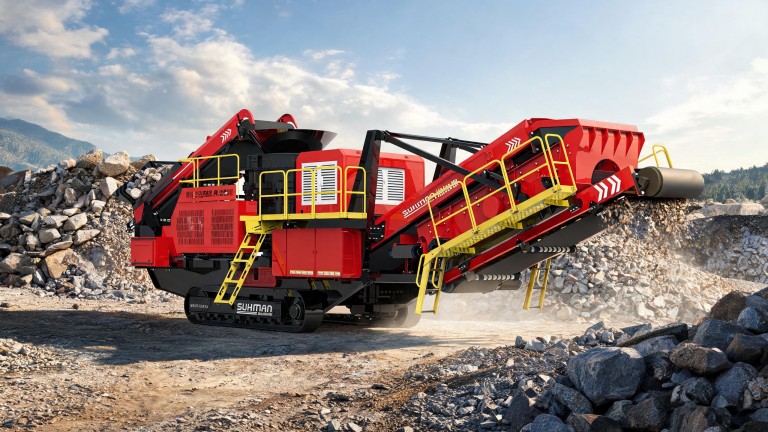
A jaw crusher with a capacity of 50 tonnes per hour is a sought-after solution for small and medium-sized production facilities, capable of easily processing ore, construction rubble and other solid materials. To ensure you make the right choice and avoid overpaying, simply focus on the specific requirements of your own operations and rely on trusted supply channels; this will enable you to acquire a reliable machine on favourable terms.
What to look out for when choosing a crusher with a capacity of 50 tonnes per hour
First and foremost, you need to match the type of crusher to the characteristics of the raw material to be processed: a jaw crusher is suitable for hard rock, whilst a cone or rotary crusher is better for less durable construction waste. Be sure to check the thickness of the raw material to ensure it fits through the machine’s feed opening, and also check the energy consumption to avoid unexpectedly high running costs. Don’t forget to check that there is a service support network in your region; this will save you time and money should repairs or spare parts be required in the future.
Common mistakes made when purchasing this type of equipment
Many buyers focus solely on a low price, ignoring the actual performance figures stated by the manufacturer — the often-quoted 50 tonnes per hour is only achieved under ideal conditions, which do not correspond to real-world operating conditions. Another common mistake is to overlook the requirements for subsequent sorting of the finished product: if you need a strictly defined particle size, you must select a crusher with a suitable grading system from the outset. You should also not ignore reviews from actual users, as these often reveal hidden flaws in a model that are not mentioned in the official description.
Where can I buy a crusher with a capacity of 50 tonnes per hour at the best possible price?
The best deals are usually offered directly by official manufacturers, especially if you order equipment without any intermediary mark-ups. You can also explore options at specialist industrial trade fairs, where there are often special discounts for first-time buyers and you can test the equipment in action straight away. If your budget is very tight, consider tried-and-tested second-hand equipment from large manufacturing companies that are upgrading their machinery – it is often in excellent condition and costs 30–40% less than new equipment; the main thing is to carry out a full diagnostic check before purchasing.