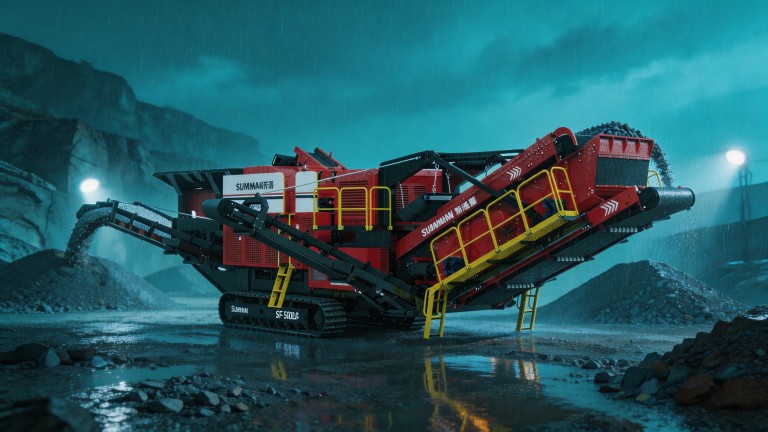
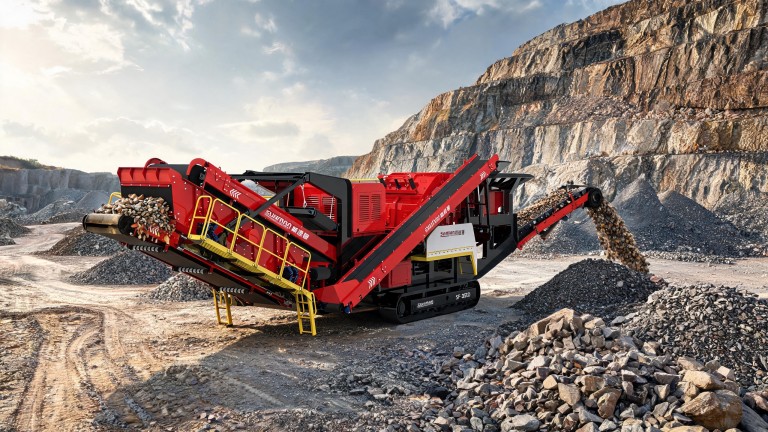
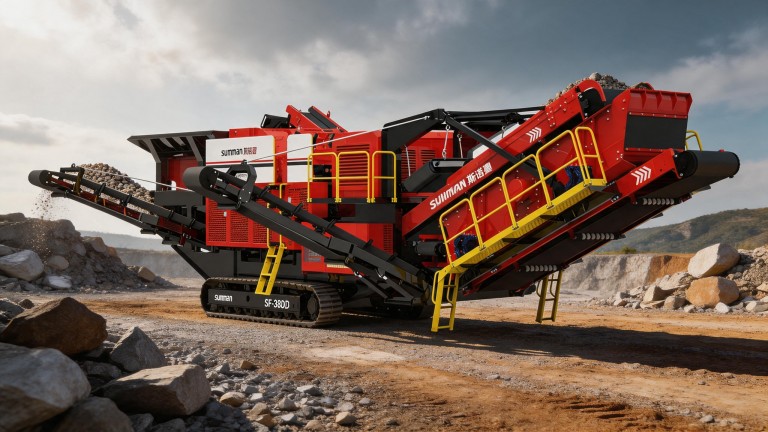
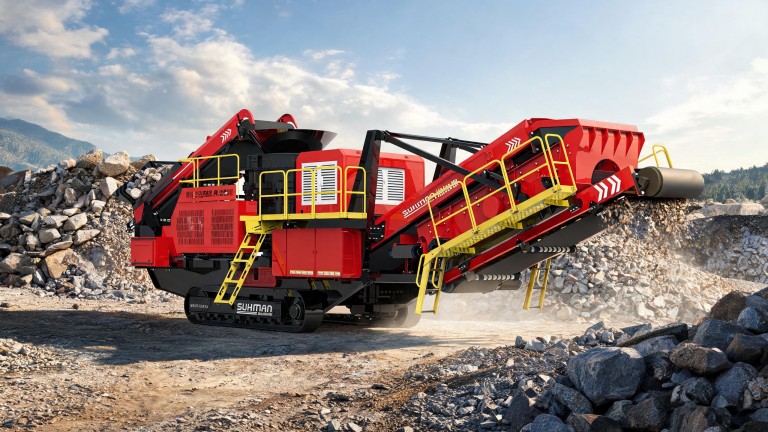
A crusher with a capacity of 100 tonnes per hour is in high demand across the mining, construction and processing sectors; choosing the right model and a reliable supplier directly determines the stability of the production line and the return on investment. Below, we outline the key points of this process.
Determining the appropriate type of crusher for the raw material
The first step in selecting a crusher with a capacity of 100 tonnes per hour is to assess the characteristics of the raw material to be processed: hardness, size of the feed material, and the required output particle size. Rotary crushers are suitable for soft limestone, whilst for hard rocks such as granite and basalt, jaw or cone crushers are preferable, as they can withstand high loads without rapid wear of the working parts.
Testing actual, rather than nominal, performance
Many manufacturers quote nominal throughput figures based on ideal laboratory conditions, which do not reflect actual production conditions. When making your selection, you should request performance data specifically for processing your type of raw material, and also check that the specifications of the drive, crushing chamber and feed system correspond to the stated 100 tonnes per hour under standard operating conditions.
Assessment of the operating costs and service life of components
In addition to the initial cost of the equipment, it is important to take maintenance costs into account: the cost of replaceable wear parts, the frequency of their replacement, and the electricity consumption per tonne of processed raw material. Models featuring well-designed access to working components and crushing plates and rotary hammers with a long service life help to reduce running costs and avoid unplanned line downtime.
Choosing a reliable supplier from whom to buy
When making a purchase, it is advisable to give preference to manufacturers with experience in supplying and servicing similar equipment in your region, who provide warranty cover, on-site technical support and the ability to supply spare parts at short notice. Feedback from customers who are already using crushers with the same capacity will help you avoid mistakes when making your choice and ensure that a particular model is reliable.