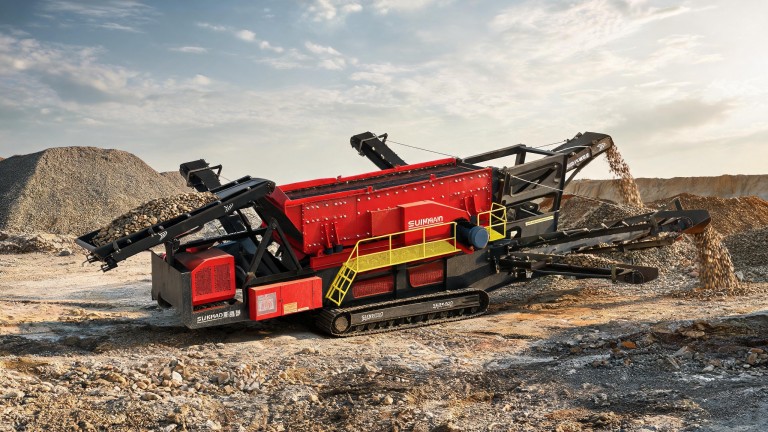
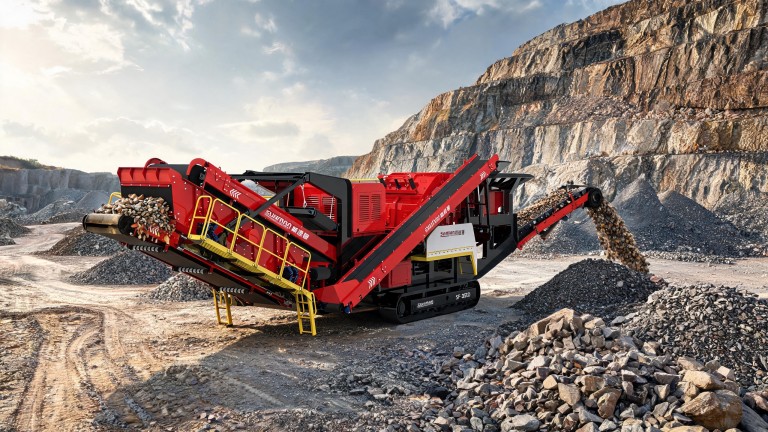
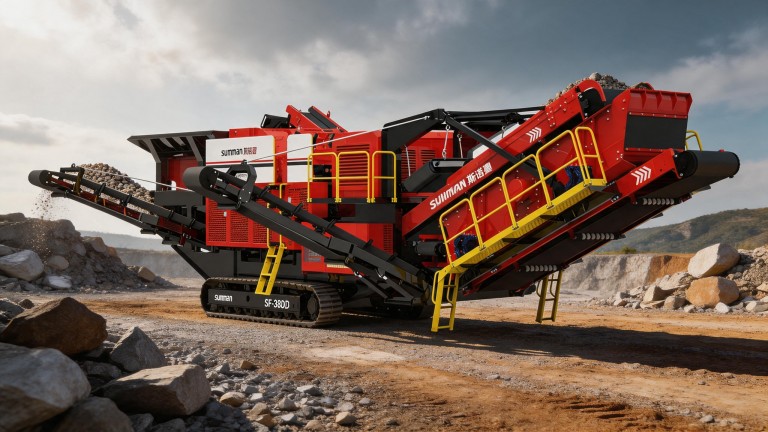
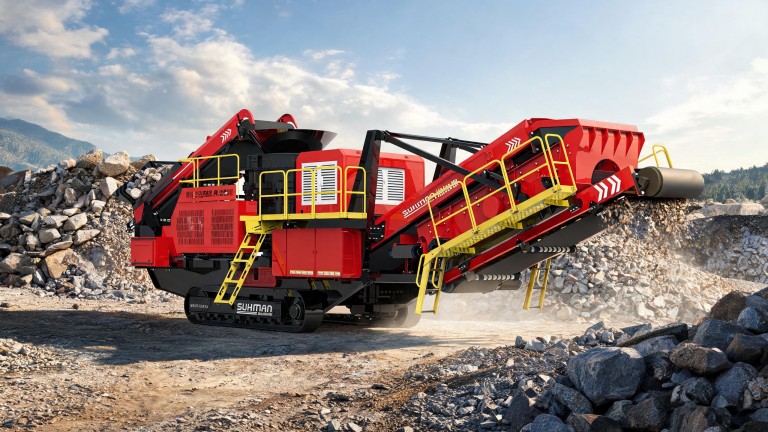
A crusher with a capacity of 200 tonnes per hour is a versatile piece of industrial equipment that can process large volumes of raw material in a short space of time, and choosing the right equipment depends on the type of material being processed, the specific characteristics of the production line and the required particle size of the finished product, thereby helping to avoid unnecessary costs and downtime.
Key specifications of the 200-tonne-per-hour crusher
This plant consistently processes between 190 and 210 tonnes of raw material per hour under standard operating conditions; it is suitable for hard rock, ores, construction waste and other dense materials. It features a reinforced frame and wear-resistant working components designed for long-term continuous operation without the need for frequent replacement of parts.
What to look out for when choosing a type of crusher
For very hard rock, a jaw crusher is the best choice; for medium-hard raw materials and to produce a cuboid-shaped fraction, a cone or rotary model is ideal, whilst if you need to process soft and damp materials, a hammer mill is the best choice; each type has its own specific characteristics regarding feed and the output of the finished product.
Compatibility with the existing production line
Before purchasing, you should check whether the dimensions of the crusher’s feed and discharge openings match those of the conveyors and other equipment at your site, and ensure that the unit’s power consumption is compatible with your existing electrical capacity without the need for additional costly upgrades.
Service life of wear-resistant parts and after-sales support
Choose models with readily available and affordable consumables, and check whether there are any manufacturer service centres in your region; this will enable you to replace worn parts quickly and carry out scheduled maintenance without prolonged downtime in the production process.
Calculation of actual productivity under working conditions
You should not rely solely on the capacity stated in the technical specifications; take into account the moisture content and particle size of the raw material, as performance figures may drop by 10–15% at high moisture levels, so choose equipment with a capacity margin to ensure it operates consistently at the required level even with non-standard raw material input parameters.