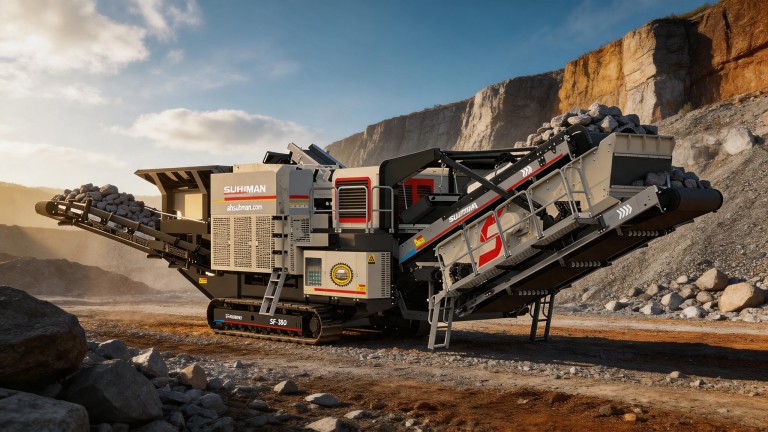
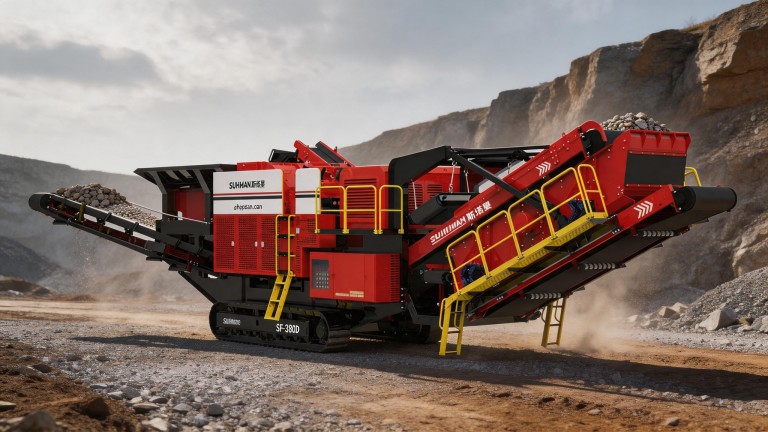
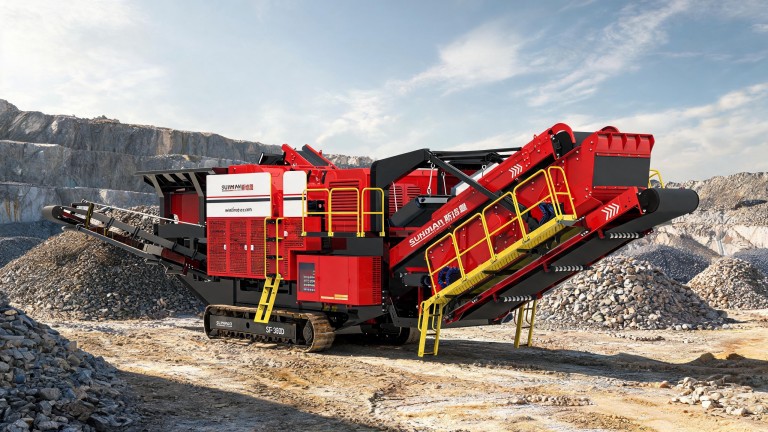
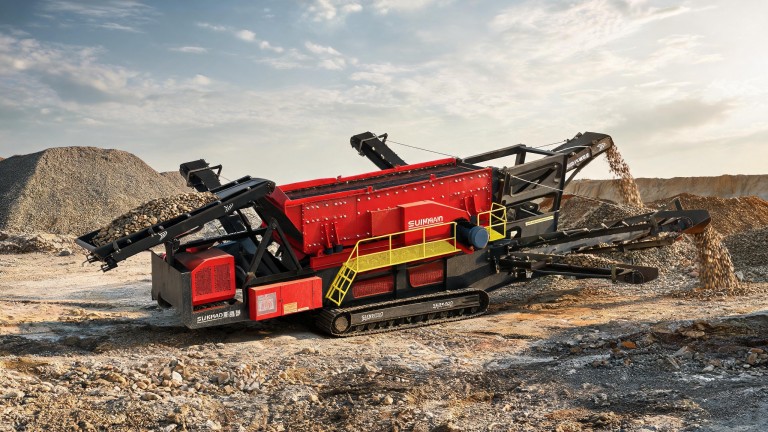
A crushing and screening plant with a capacity of 250 tonnes per hour is a reliable workhorse for mining and construction companies; the correct selection of equipment directly determines operational stability and production efficiency, and when making a selection, it is important to focus on the equipment’s suitability for the raw material, its performance parameters and the service life of the units.
Adaptation to the properties of the raw materials being processed
First, you need to assess the hardness, moisture content and size of the raw material feed; for hard rock, jaw or cone crushers are suitable, whilst rotary models are preferable for soft and damp materials; an incorrect choice will lead to frequent downtime and a reduction in productivity below the specified standard.
Consistency of performance parameters
All components of the plant, from the feeder to the final vibrating screens, must be matched in terms of throughput; individual units with different maximum capacities should not be selected, as this will create bottlenecks in the production line and prevent the 250 tonnes per hour target from being achieved on a consistent basis.
Assessment of service life and maintenance conditions
Pay attention to the quality of wear parts such as crushing plates and screen surfaces, as well as the availability of spare parts on the local market; choose models with a simple maintenance system, as this will help to reduce operating costs and extend the service life of the entire plant by several years.