Don’t go!
Please get in touch, and our engineers will draw up a bespoke solution for your project.

Для линии дробления базальта производительностью 300 т/ч правильный подбор оборудования гарантирует стабильность и рентабельность: подбирайте щековую дробилку для первичного дробления, конусную для вторичного, учитывайте твердость базальта, фракцию и ресурс деталей. Такая линия устойчива к нагрузкам, экономит энергию, имеет минимум отходов. Для сохранения ресурса регулярно проверяйте детали, не допускайте попадания посторонних металлов, проводите плановое ТО.

Линия дробления гранита (200 т/ч) — надёжный помощник для горных и стройпредприятий. При подборе оценивайте характеристики сырья, подбирайте щековую (первичную) и конусную (вторичную) дробилки, проверяйте износостойкость деталей, сервис поставщика. Она выдаёт стандартные фракции, подходит для малых и средних производств, не требует больших вложений. Для эффективности делайте плановое ТО, обеспечивайте равномерную подачу сырья, установите контроль фракций.

A cone crusher is a key piece of equipment in a crushed stone production line: it is selected based on its capacity (with a margin of no more than 20%), the hardness of the raw material and the required size of the final product. During operation, ensure no metal enters the machine, monitor lubrication, avoid prolonged periods of excessive load, and adjust the clearance. Regular maintenance carried out according to schedule extends the service life by 40% and prevents downtime.

To ensure consistent performance and low operating costs for a cone crusher used to process iron ore, it is necessary to: select the crusher based on the characteristics of the raw material, the finished product and the production line; carry out regular maintenance; and optimise a uniform feed of raw material free from foreign objects.

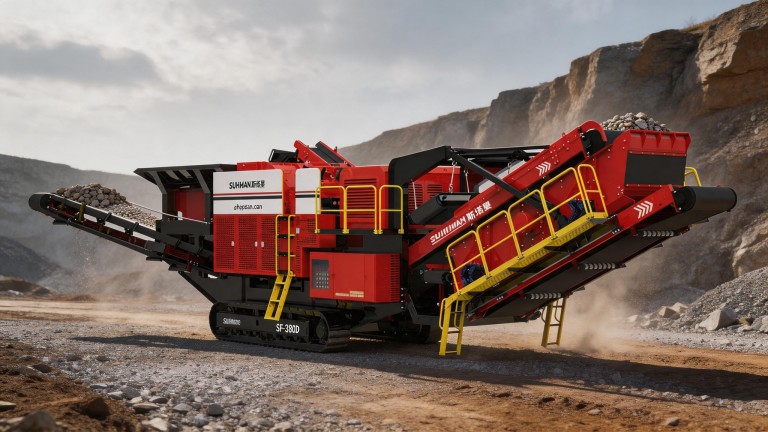
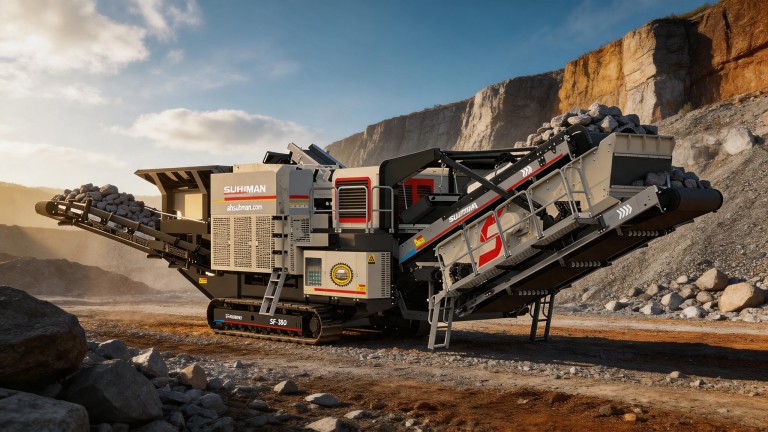
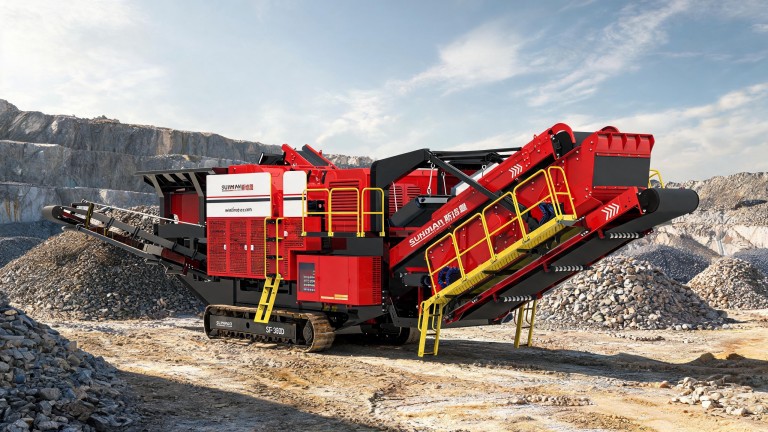
A tracked cone crusher is indispensable in quarries: it is manoeuvrable, self-propelled and reduces transport costs. When choosing a model, consider the type of rock, the required throughput, the particle size and the load-bearing capacity of the tracks. Do not buy a model with excessive throughput, and do not overlook the availability of local service centres.

The choice of a hydraulic cone crusher for a quarry affects the equipment’s productivity and service life. It is necessary to assess the load parameters, rock characteristics and budget: select a model suited to the hardness and size of the rock pieces, ensure a capacity with a margin of no more than 20%, and check that the hydraulic system is of high quality, featuring protective measures and reliable components.

A cone crusher for basalt is selected based on the rock’s hardness, throughput, feed size and final product size (a standard chamber for medium crushing, a short head for fine crushing). Choose models with reinforced, wear-resistant components and service them regularly to extend their service life. Buy directly from official distributors to save money by avoiding middlemen.

Cone crushers for the secondary crushing of granite are selected based on capacity, feed size, the target 0–40 mm particle size, component service life and compatibility with the production line. They outperform hammer crushers (which wear out quickly) and jaw crushers (which produce uneven grain sizes): precise crushing, low wear and a 30–40% saving on spare parts. To ensure long-term operation, it is necessary to monitor the cone clearance, replace the liners and avoid feeding granite that is too large.

A 150 t/h jaw crusher for granite — a reliable solution for crushing hard raw materials. When choosing, consider the following: a compressive strength of at least 350 MPa, a suitable feed opening, proven performance with granite; crushing chamber components made from high-manganese steel, convenient gap adjustment, and reliable lubrication. Buy from manufacturers with at least 10 years’ experience and avoid dubious intermediaries.

A jaw crusher for primary ore crushing is a reliable piece of equipment for mining enterprises: it is selected based on the size of the feed pieces (the 10% has a smaller feed opening), its capacity and the hardness of the raw material. It features two jaws and a robust alloy steel housing, and is characterised by low energy consumption, simple maintenance and a consistent particle size distribution at the outlet.