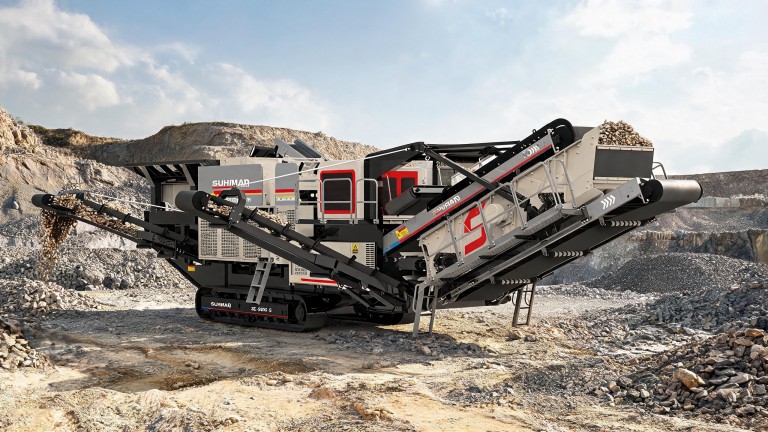
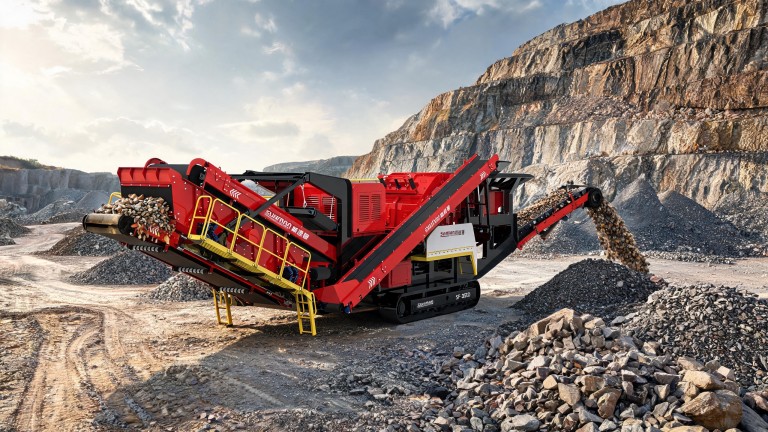
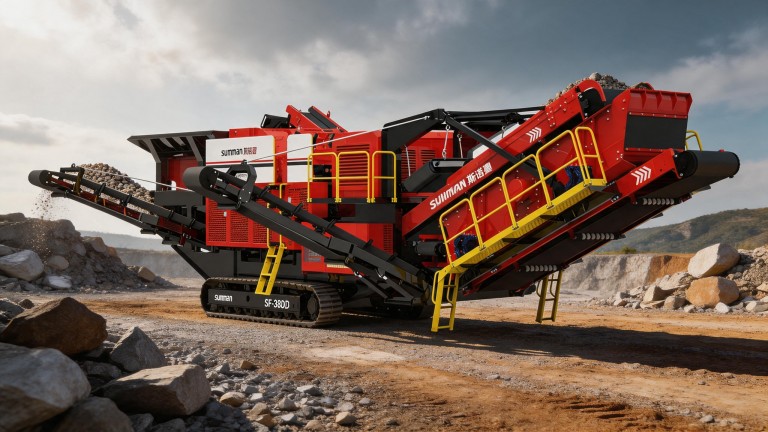
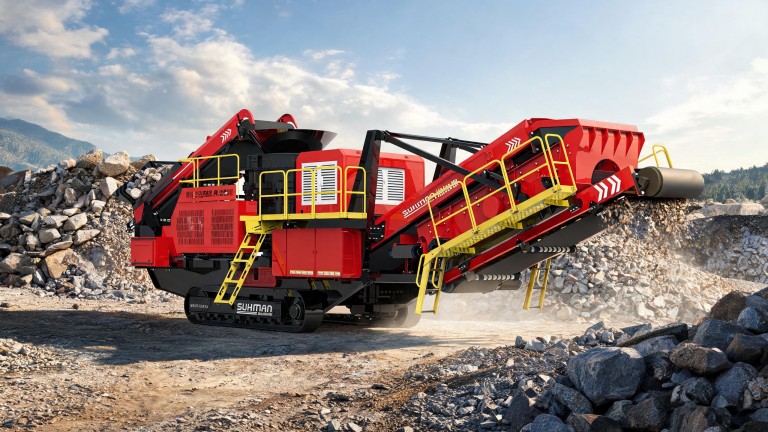
A crusher with a magnetic separator is an integrated unit for crushing raw materials and removing metallic impurities, which combines the functions of two separate devices, streamlines production lines and reduces losses of usable raw materials. When selecting such a unit, it is sufficient to consider the type of raw material to be crushed, the required particle size of the finished product and the plant’s throughput to choose the optimal model for specific tasks.
How the integrated unit works
In the design of this unit, the raw material first enters the crushing chamber, where the working elements grind it to the specified particle size; the resulting ground material then immediately passes through the field of the separator’s permanent magnet. The magnetic field attracts all ferromagnetic impurities, separating them from the main non-metallic raw material, which is discharged as the finished product, whilst the metallic inclusions are collected in a separate hopper for further disposal or recycling. This sequential cycle allows the raw material to be processed in a single pass without any additional intermediate operations.
The main advantages of integrating the two functions
Combining a crusher and a magnetic separator within a single housing significantly reduces the production floor space required compared with installing two separate units, and also eliminates the need for additional conveyors to transport raw materials between the units. This helps to reduce energy consumption per unit of raw material processed, minimise the number of maintenance points and eliminate the risk of raw material loss during intermediate stages of transport. Furthermore, the integrated design reduces the overall costs of installing and commissioning the production equipment.
Key criteria for making the right choice
The first factor to consider is the type of crushing mechanism: a hammer-type crusher is suitable for brittle construction waste, whilst a jaw or rotary crusher is preferable for hard mineral raw materials. The second important factor is the strength of the separator’s magnetic field: a standard field strength of 800–1,200 Oersted is sufficient for extracting large metal fragments, whilst enhanced models with a field strength of 1,500 Oersted or higher are required for fine, small impurities. It is also important to ensure that the unit’s stated capacity matches the actual volume of raw materials processed at your facility, in order to avoid overloading and premature wear of the working parts.
Rules for routine maintenance
To ensure that the unit maintains its specified performance throughout its service life, it is sufficient to check the crushing elements for wear every 100 hours of operation and to clean the surface of the magnetic separator of any accumulated metal particles. If a noticeable reduction in the efficiency of impurity separation is detected, simply check the integrity of the electromagnet’s insulation and, if necessary, adjust the gap between its working surface and the flow of moving raw material. These simple procedures help to prevent serious breakdowns and ensure the production line continues to operate smoothly without unscheduled downtime.