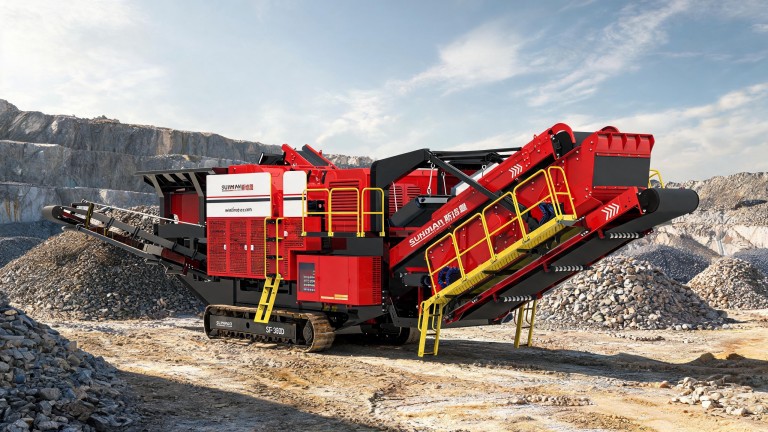
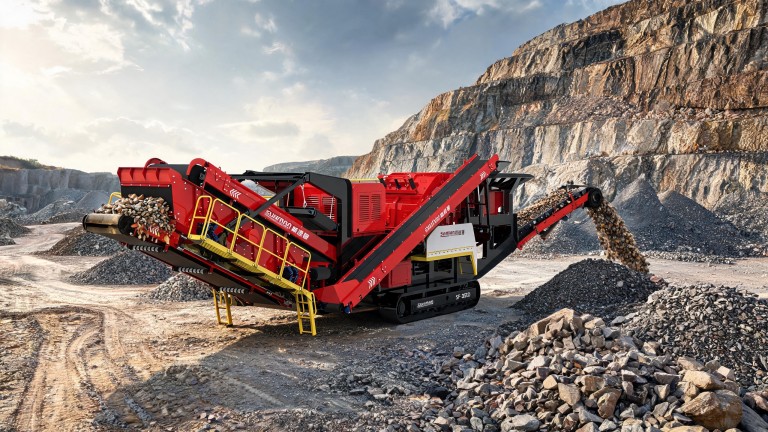
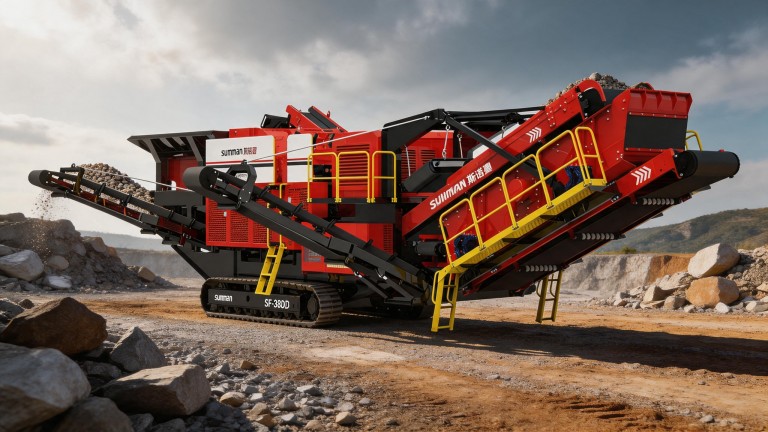
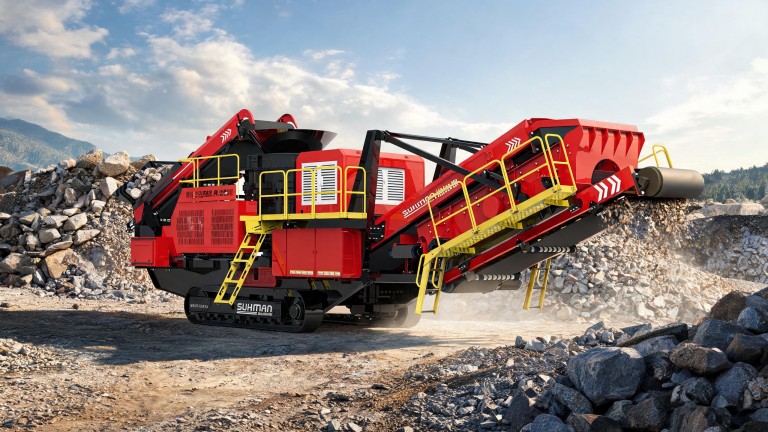
A mobile jaw crusher for rock is a reliable asset at mining sites; when selecting a suitable model, it is important to assess its capacity for the specific type of rock and to consider the robustness of the design and ease of maintenance, in order to avoid unnecessary costs and operational disruptions.
Defining requirements for rock processing
Firstly, you should assess the hardness and maximum size of the raw rock pieces; for hard granites or basalt, you will need models with high jaw compression force, whilst for soft limestones, models with a simpler design will suffice. You should also calculate the required throughput in tonnes per hour to ensure the model is not operating at full capacity.
Assessment of the structure’s strength and mobility
A mobile crusher operates on uneven sites, so its frame must be made of thick alloy steel; it is best to choose the jaw plates from a wear-resistant manganese alloy; check that it is easy to move around the site and that it is fitted with quick-release mechanisms for securing the machine when it stops, so that it can operate without the need for additional assembly.
Monitoring service convenience and safety
Choose models that offer quick access to the jaw assemblies for replacing worn parts, and an automatic protection system against non-crushable objects. Also, ensure that the equipment holds certificates of compliance with mining safety requirements, so that its operation does not pose risks to staff or result in unnecessary inspections by regulatory authorities.