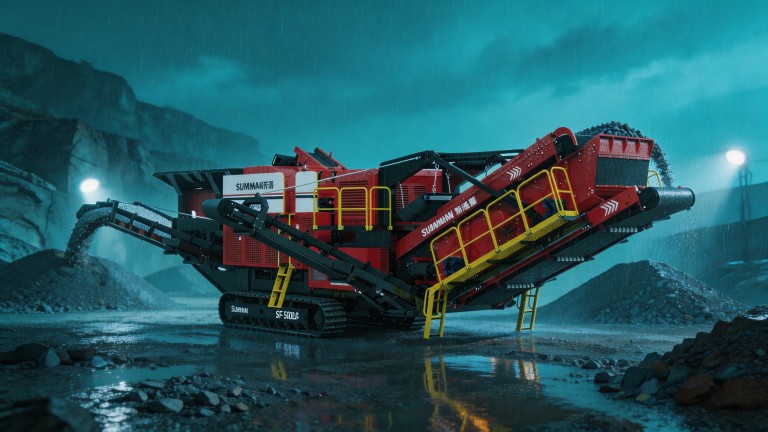
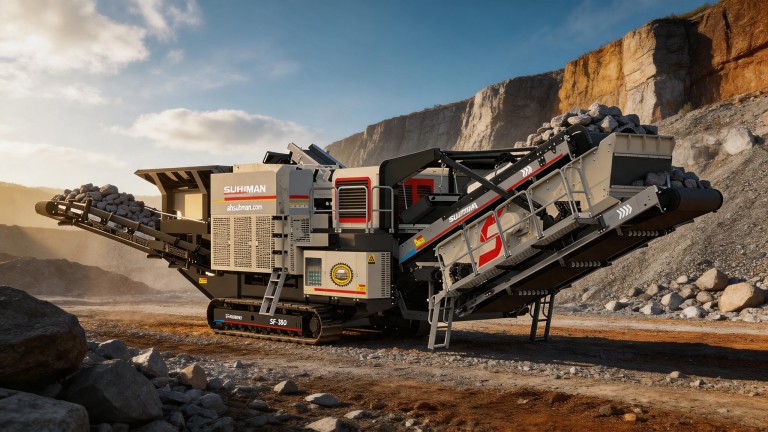
A mobile jaw crusher for ore is a reliable piece of equipment for mining sites, which processes hard rock on site, thereby reducing the costs of transporting raw materials. To choose the right model and make the right purchase decision, simply focus on the key operating parameters and the specific operating conditions of your site, without overpaying for unnecessary features.
Key performance characteristics for initial selection
First of all, check the size of the feed opening on the side panels — it must be large enough to accommodate the largest pieces of ore you plan to process. Also bear in mind the capacity: it must be sufficient to handle the daily output, otherwise the equipment will become a bottleneck in the production chain. Don’t forget about the particle size distribution of the finished product and the adjustable gap between the jaws.
Features of the mobile chassis and operating conditions
If your work sites are on rough terrain with poor roads, opt for tracked models — they are more stable and can get through where wheeled equivalents would get stuck. For work on flat sites involving frequent travel between sites, wheeled versions are suitable; they are more manoeuvrable and travel faster on tarmac roads.
Reliability of maintenance and service life of components
The side plates are a consumable part, so check in advance whether your local dealer has spare parts in stock to avoid halting production for weeks whilst waiting for a delivery. Opt for models with reinforced cheeks made from wear-resistant steel — these extend the service life of the equipment and reduce the regular costs of replacing parts in the long term.