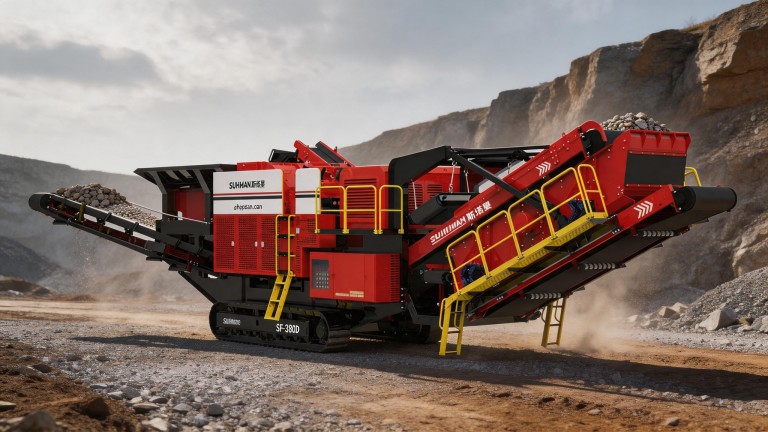
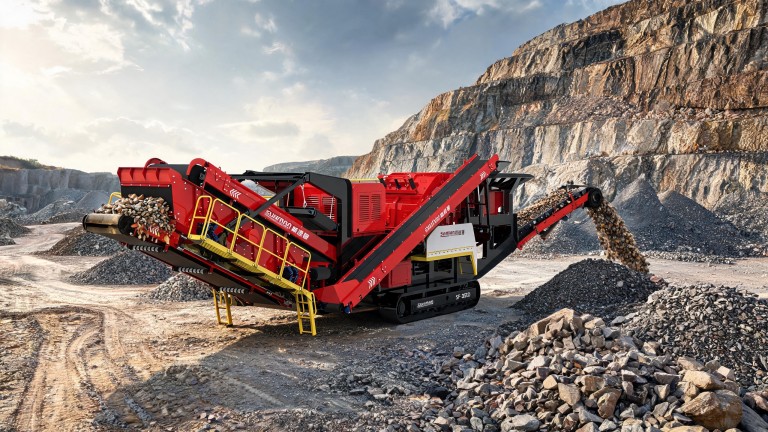
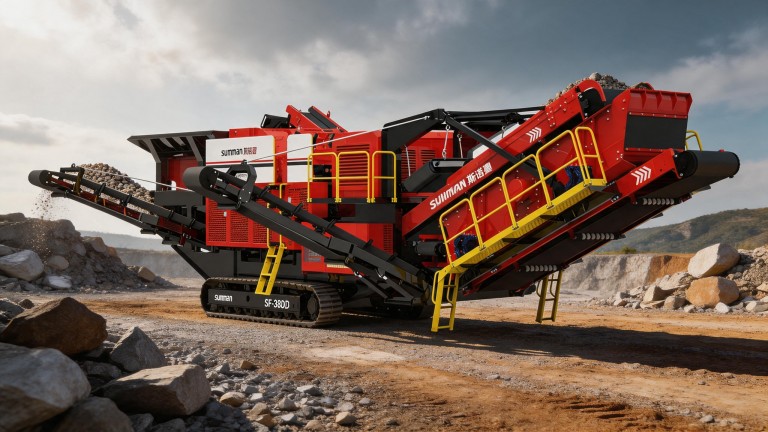
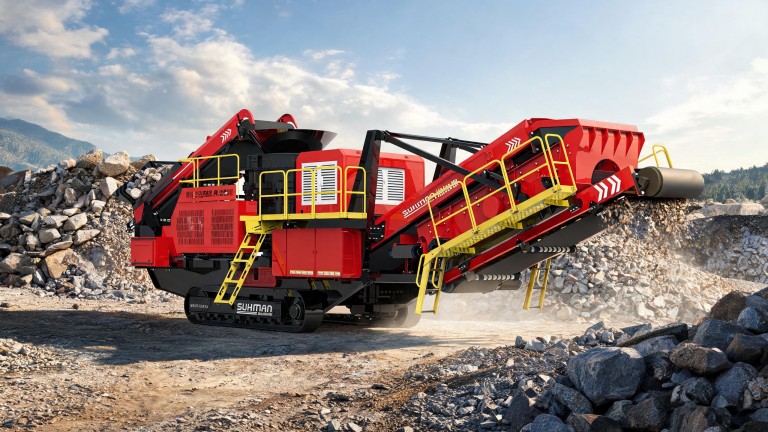
A mobile jaw crusher for limestone requires its parameters to be tailored to the specific characteristics of the raw material and operating conditions, and targeted adjustments can significantly improve its efficiency without incurring unnecessary maintenance costs.
Key parameters for selecting a crusher
First, take into account the size of the feed limestone and the required output size, then select the appropriate feed width and adjustable gap between the jaws. Be sure to take into account the capacity in terms of daily throughput and the drive power, and do not overload the unit with unrealistic tasks. Also pay attention to the strength of the jaw materials; they must be resistant to the abrasiveness of the limestone.
Configuring operating modes for stability
Feed the limestone evenly across the entire width of the feed hopper; ensure that the hopper is not overloaded and that no foreign solid objects enter, as these may damage the jaws. Adjust the gap between the moving and fixed jaws according to the required particle size of the finished product; do not set it too small to prevent the mechanism from jamming. Monitor the temperature of the bearings and ensure they do not overheat during prolonged continuous operation.
Regular maintenance to extend the service life
Regularly inspect the condition of the jaw plates; if wear becomes apparent, replace them promptly, without waiting for the crushing quality to deteriorate. Lubricate moving parts in accordance with the manufacturer’s specifications, and check the tension of the drive belt and the fastenings of all structural components. These simple steps help to maintain the crusher’s efficiency at a consistently high level and avoid unscheduled downtime during operating cycles.