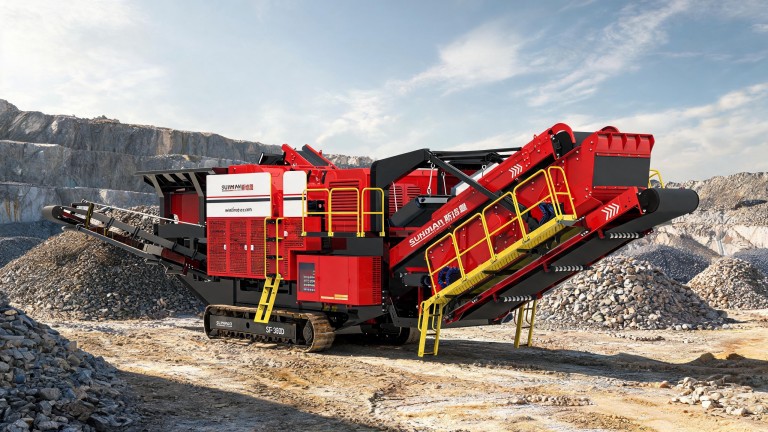
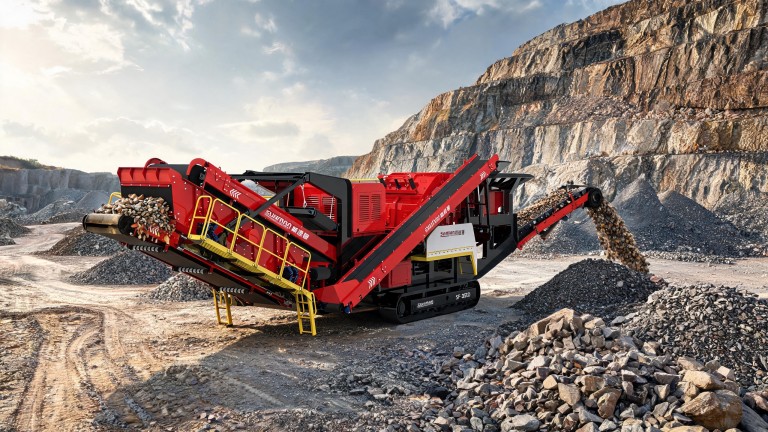
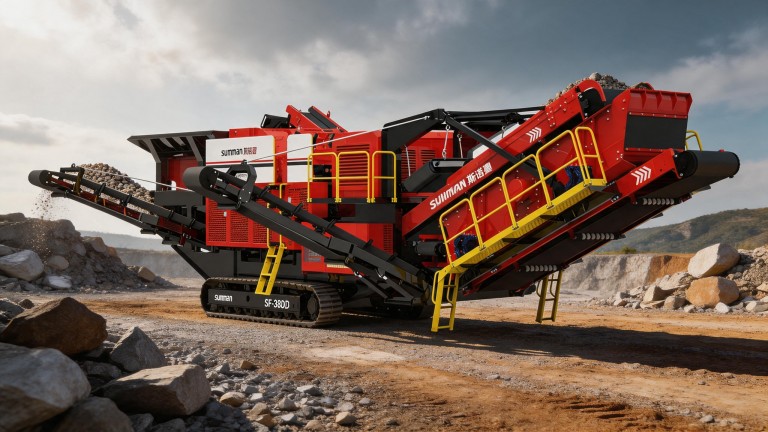
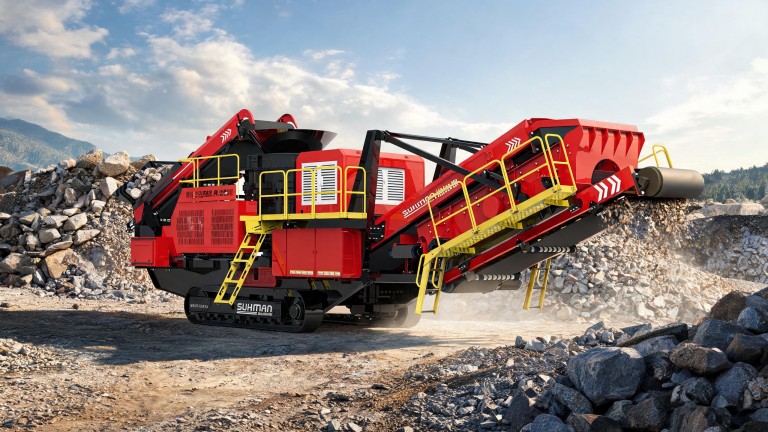
A mobile jaw crusher for basalt is a reliable asset on construction and mining sites; the choice of crusher has a direct impact on operational efficiency. It is important to consider the equipment’s specifications and operational requirements in order to select the right model without incurring unnecessary costs.
Determine the required performance
Basalt is a hard rock with high abrasiveness, so first work out the required hourly processing capacity; for small sites, models with a capacity of 20–50 tonnes per hour are suitable; for large projects, choose units with a capacity of 100 tonnes per hour or more; there is no point in overpaying for excess capacity if it is not needed.
Check the dimensions of the side plates and the drive mechanism
The crusher jaws are the working parts that come into direct contact with hard basalt; choose models with jaws made of high-manganese steel, as they are wear-resistant and do not require frequent replacement. Also, pay attention to the drive type; diesel-powered models are suitable for remote sites without access to the mains electricity supply.
Check mobility and terms of service
A mobile crusher should be easy to move between different areas on site; check the chassis design and the weight of the unit, and also check the availability of spare parts and servicing in your region – this will help you avoid downtime should the equipment break down whilst in operation.