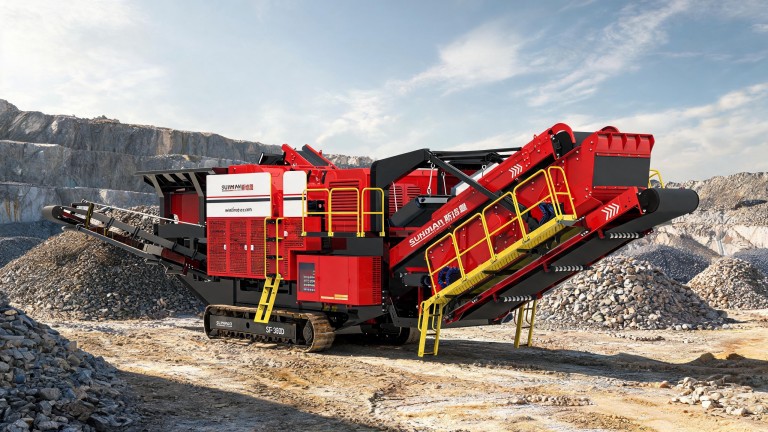
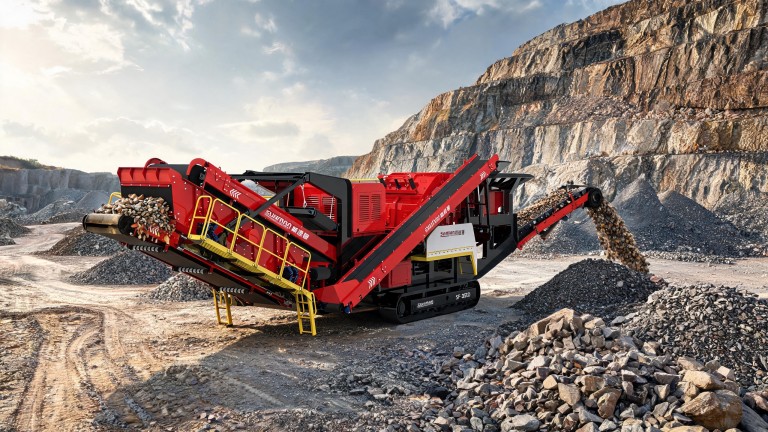
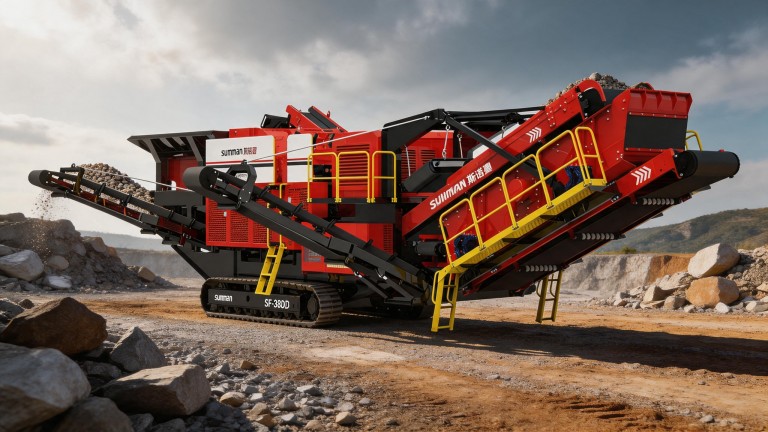
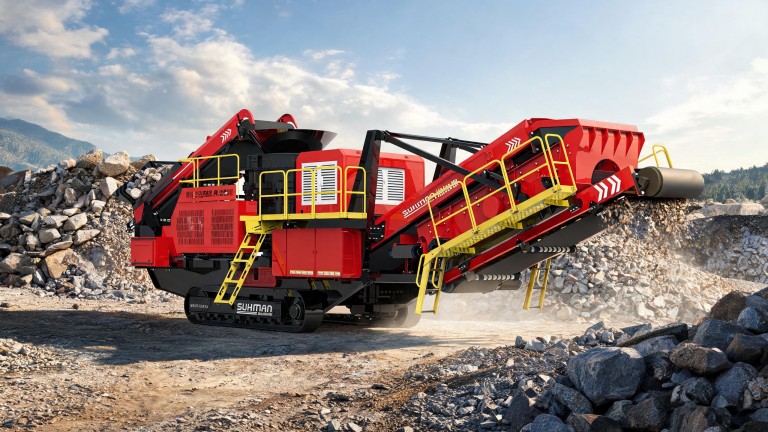
Choosing an effective limestone crushing plant incorporating a screen depends on throughput, the hardness of the raw material and operating costs; it is important to assess whether the specifications are suitable for specific tasks in order to avoid unnecessary expenditure and downtime during operation.
Estimating productivity based on the scope of work
First, determine the daily limestone crushing capacity, and select a plant with a 15–20 per cent power reserve so that it does not operate at full capacity; as this extends the service life of the components and reduces the frequency of repairs; however, you should not opt for excessively powerful equipment if the workload is low, as this will lead to unnecessary expenditure on electricity and maintenance.
Quality control of the screening and crushing unit
The screen must have an adjustable mesh size to suit the required limestone fractions, and the crushing unit must be made of wear-resistant steel that can withstand the abrasive effects of the raw material; please note the presence of a quick-change system for wear parts, as this will reduce downtime during scheduled maintenance by several times.
Analysis of operating costs
Compare the energy consumption of different models, the cost of consumables and the availability of the manufacturer’s service centres in your region; don’t be tempted by an excessively low initial price, as cheap systems often require frequent repairs, and as a result, the total cost of ownership ends up being higher than that of tried-and-tested models in the mid-price range.