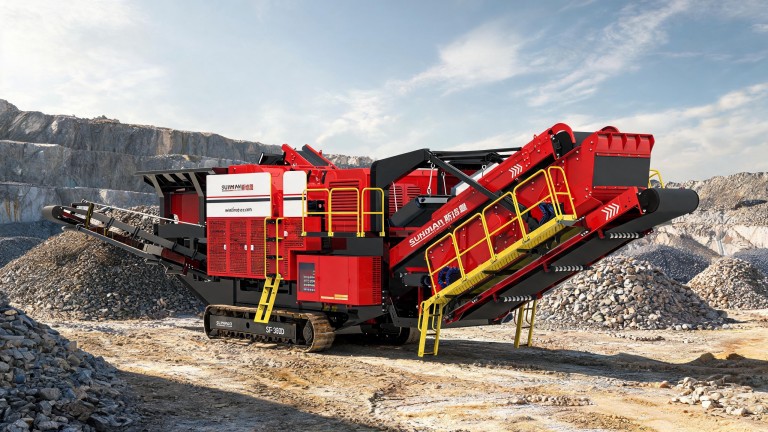
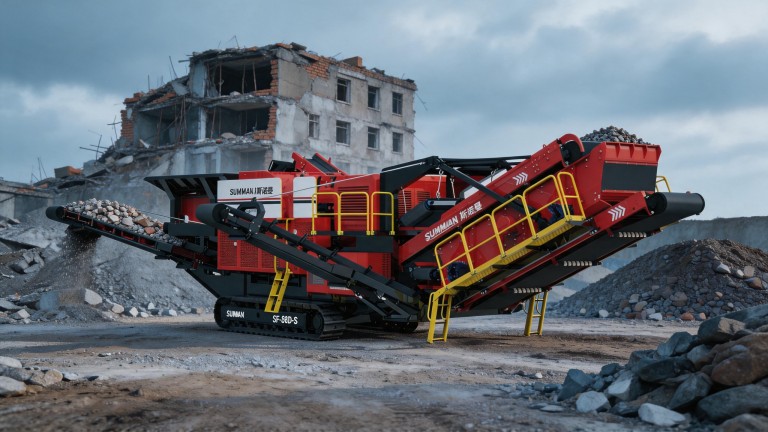
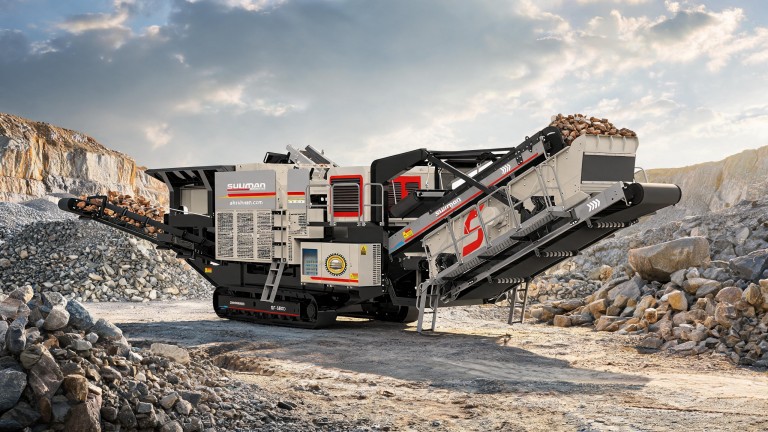
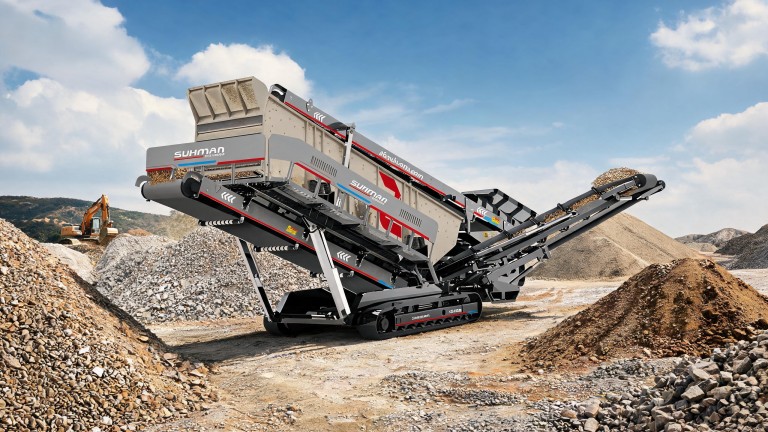
The production line for 5–20 mm crushed stone is a key component for construction and road projects; the optimal configuration is selected based on production capacity, the characteristics of the raw material and the required purity of the fraction, whilst specialised equipment ensures stable operation, low resource consumption and a high yield of the target product without unnecessary impurities.
Principles for selecting the optimal line configuration
When designing a process flow diagram, the hardness and size of the feed rock are taken into account first; for soft limestone, a process involving a jaw crusher in the first stage and a rotary crusher in the second is suitable, whereas for hard granites, the rotary crusher is replaced with a cone crusher; the required throughput—ranging from 10 to 500 tonnes per hour—and the precision of fraction separation are then specified to prevent oversize particles in the finished product.
Key benefits of specialised equipment for the production line
Specialised units are designed for continuous operation in harsh conditions and feature reinforced components that are resistant to abrasive wear, which reduces the frequency of spare part replacements by 40–60% compared with general-purpose machines, whilst integrated automation systems regulate operating modes in real time, eliminate downtime and reduce electricity consumption per tonne of finished crushed stone by 15–25%.
Common mistakes when choosing a configuration
Most often, customers cut corners at the preliminary screening stage of the raw material, which leads to rapid wear and tear of the crushing units and a reduction in the yield of the target fraction; they also frequently select equipment without taking into account the prospect of increasing throughput, which means that after 1–2 years they have to completely rebuild the line instead of installing additional modules.