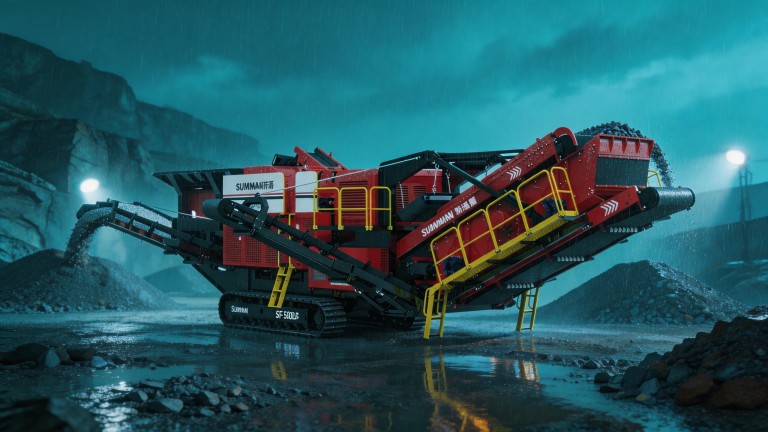
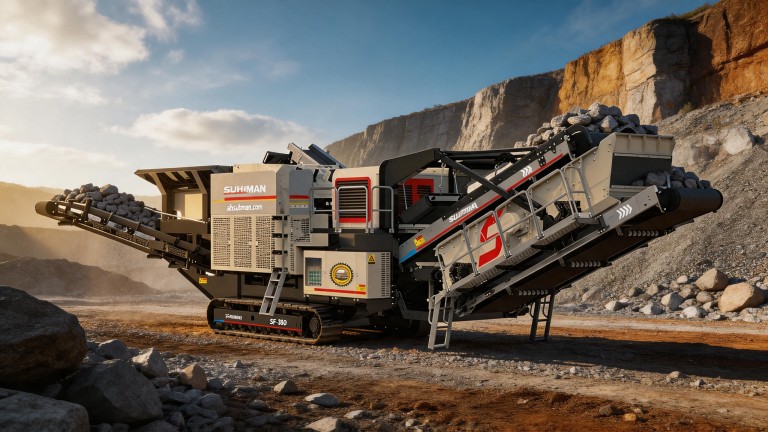
A jaw crusher with a capacity of 100 tonnes per hour is a reliable workhorse for medium-sized production lines in the mining, construction and processing sectors; A comprehensive approach to evaluating specifications and suppliers will help you choose the right model and find the best place to buy, ensuring long-term, trouble-free operation without unnecessary costs.
Key specifications for selecting a 100 t/h crusher
The first step is to assess the maximum size of the raw material to be fed into the machine: for a throughput of 100 tonnes per hour, the feed opening must be able to accommodate pieces measuring at least 400–500 mm, whilst the angle of attack must not exceed 18–24 degrees to prevent the raw material from falling back out during operation. Pay attention to the material of the crushing plates: wear-resistant manganese steel guarantees a service life of at least 6 months under continuous load, which reduces the frequency of part replacements. Also check that the motor power matches the stated capacity: for stable operation at 100 tonnes per hour, a motor with a power of 75–90 kW is sufficient; there is no need to overpay for excess power if your raw material is not particularly hard.
What to bear in mind during use
This crusher cannot cope with erratic feeding of raw materials: use a uniform feed conveyor to ensure a steady load on the mechanism; this will prevent the motor from overheating and premature wear of the bearings. Carry out a routine inspection every 100 hours of operation: check the wear on the crushing plates, the tension of the drive belts and the lubrication level in the friction points. If you are working with highly abrasive raw materials, double the frequency of inspections; this will help to avoid sudden breakdowns that bring the production line to a standstill for several days.
Where to buy a 100 t/h crusher at a good price
First, compare quotes directly from manufacturers rather than from intermediaries: manufacturers’ prices are 15–25% lower, whilst you receive an official warranty of at least 12 months and free advice on installation and commissioning. Avoid offers that are too cheap from little-known suppliers: such models often use parts made from low-quality steel, which fail after just a couple of months’ use. The best option is to choose a supplier that offers a comprehensive service: a regular supply of spare parts and a technician’s visit for repairs when necessary; this will save you a lot of money in the long run.