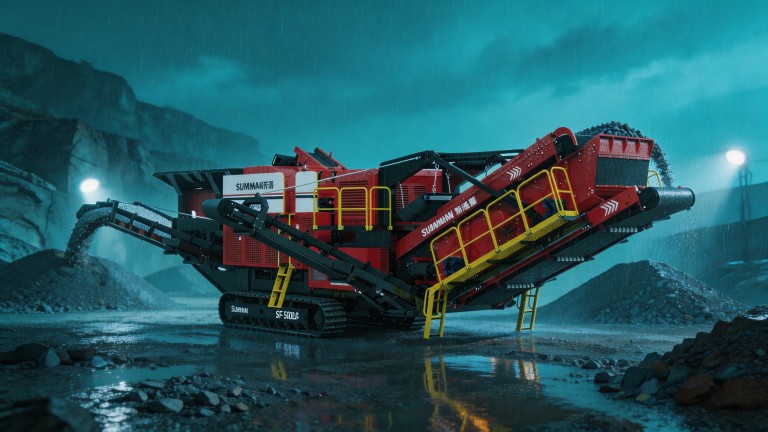
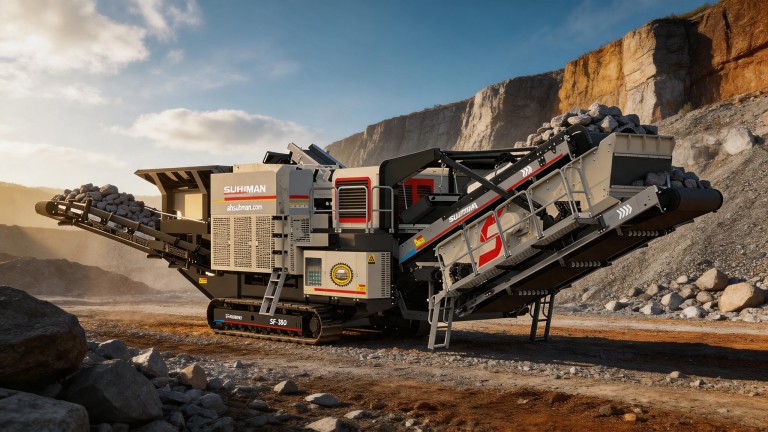
Conveyor belt misalignment, a common occurrence on production lines, is caused by load displacement, wear and tear on components or installation errors; timely inspections enable problems to be rectified quickly and prevent production stoppages.
The main causes of belt slippage
The belt most often comes off due to an uneven feed of the load, when the load is concentrated on one side of the belt; this can also be caused by roller wear, misalignment of the drive drum and the build-up of dirt on the working surfaces, each of these factors disrupts the balance of the belt whilst it is in motion.
Equipment Inspection Schedule
First of all, the drums and support rollers are inspected for misalignment and signs of wear, then check that the load is evenly distributed across the belt, after which the working surfaces are cleaned of any debris; this inspection is carried out before each start-up of the line and once per shift during continuous operation.
Quick troubleshooting methods
If the belt is slightly misaligned, it is sufficient to adjust the tension on the side where the misalignment occurs; if the rollers are worn, they are replaced immediately; and if the feed of the load is uneven, the position of the loading hopper is adjusted; All these procedures take no more than 10 minutes and do not require production to be halted completely for any significant period.
Preventing the belt from slipping again
To prevent further malfunctions, belt position limiters are fitted, the roller bearings are lubricated weekly, and staff are trained in the correct method of loading the conveyor; such measures reduce the likelihood of the belt coming off by 90 per cent and double the belt’s service life.