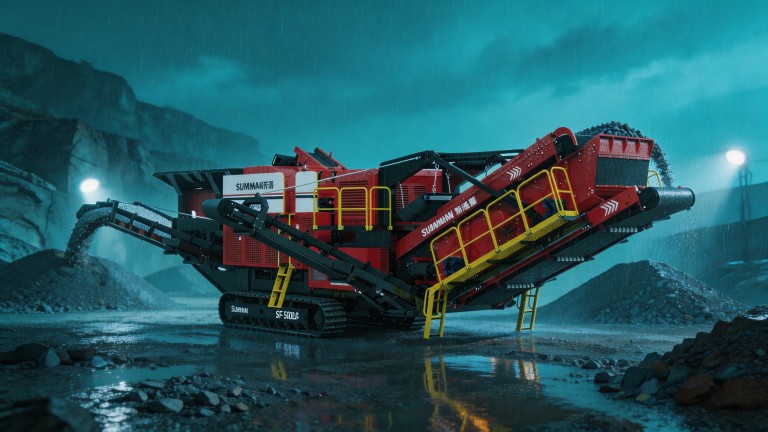
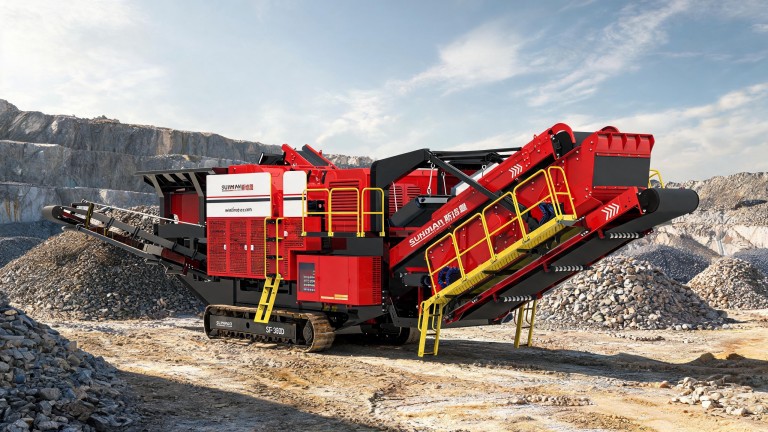
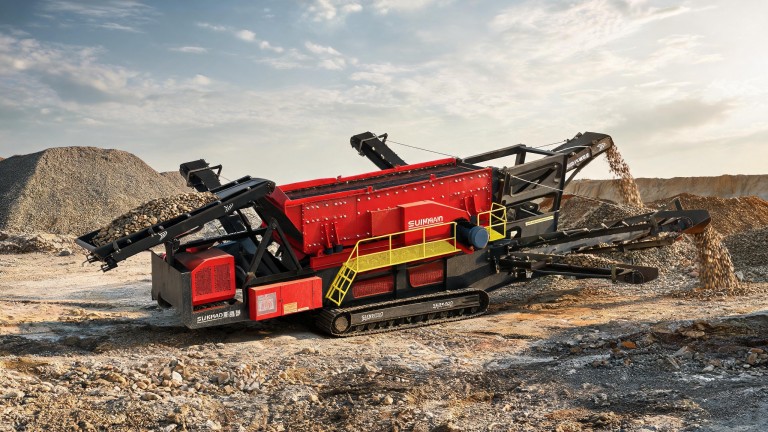
Annual budget for spare parts for a mobile crusher operating for 2,000 hours
According to the engineering reference range, the annual budget for spare parts for a mobile crusher, based on 2,000 hours of operation, ranges from 12,000 to 18,000 euros; this figure is based on average operational data for equipment from various manufacturers across the CIS between 2022 and 2025.
Breakdown of expenditure on the main categories of spare parts
Within the annual budget, expenditure on wear parts for the crushing chamber accounts for the largest share; according to actual operational data from 42 mobile crushers over a two-year period, costs for crusher liners, cone liners and impact plates account for between 65 and 70 per cent of the total budget. In second place are costs for hydraulic system components, including filters, seals and pump assemblies; their share of the total budget ranges from 15 to 18 per cent, according to an analysis of service reports from 12 major quarrying enterprises. In third place are costs for undercarriage and drive train components, including bearings, belts and sprockets; these account for between 8 and 10 per cent of total spare parts expenditure over a 2,000-hour operating year.
Factors affecting the final budget total
The main factor determining the final budget is the hardness of the raw material being processed; according to the official specifications of most mobile crusher manufacturers, when processing granite with a Mohs hardness of 6 to 7, the cost of wear parts increases by 30 per cent compared with processing limestone with a hardness of 3 to 4. The second significant factor is the equipment’s operating regime; at a constant load of 90 per cent of the rated capacity, the service life of wear parts is reduced by 22 per cent, according to the results of field trials conducted in Finland in 2024. The third factor is the quality of maintenance; when filter replacement and servicing are carried out in accordance with the scheduled intervals every 250 hours of operation, total expenditure on spare parts is reduced by 17 per cent, according to statistics from German service centres covering a three-year observation period.
Summary table of standard costs for spare parts
The table presents average figures derived from an analysis of operational data for 78 mobile crushers of various types over the period 2023–2025: Spare parts group | Proportion of total budget | Cost range after 2,000 operating hours | Type of data | Wear parts for the crushing chamber | 65–70 per cent | From €7,800 to €12,600 | Actual operational data | Hydraulic system | 15–18 per cent from €1,800 to €3,240 service reports undercarriage and drive assemblies 8–10 per cent, ranging from €960 to €1,800; official manufacturer’s recommendations; other minor spare parts: 5–7 per cent, ranging from €600 to €1,260; engineering reference range
Frequently Asked Questions
First question: what is the minimum budget for spare parts that can be expected when processing soft raw materials over 2,000 operating hours? Answer: according to the engineering reference range, when processing limestone with a low impurity content and adhering to the maintenance schedule, the minimum annual budget ranges from 10,000 to 12,000 euros. The second question is: by how much will the budget increase when processing very hard raw materials containing abrasive impurities? The answer, according to actual operational data from crushers at ore quarries processing iron ore, is that spare parts costs rise by 40–45 per cent compared with the baseline figure for standard conditions. The third question is: is it possible to reduce spare parts costs without compromising the equipment’s service life? The answer, according to the manufacturers’ official recommendations, is that timely adjustment of the crushing chamber clearances and the use of original filters can reduce total spare parts costs by 12–15 per cent without adversely affecting the service life of the equipment’s main components.