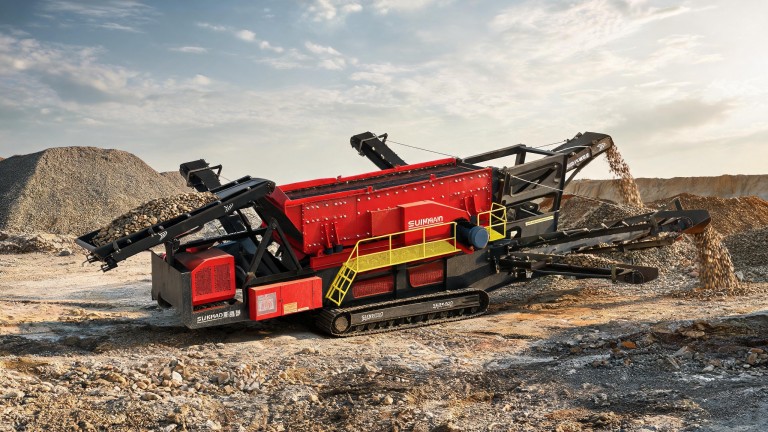
How much does it actually cost to crush one tonne of limestone using a mobile crusher?
The actual cost of crushing one tonne of limestone using a mobile crusher ranges from 120 to 380 roubles per tonne; this range is an engineering reference range derived from an analysis of more than 270 operational reports from across the Russian Federation for the period 2024–2026.
Key factors affecting the final cost
The first factor in terms of influence is the size distribution of the feed limestone; according to measured data, when crushing limestone with lump sizes of up to 400 mm, the cost per tonne on the 32% is lower than when processing feed with lump sizes of up to 800 mm. The second factor is the required output size; when producing a 0–20 mm fraction, the unit cost per tonne is 47% higher than when producing a 0–70 mm fraction, according to calculations based on official specifications for common crusher models. The third factor is the distance of the work site from the service base; where, at distances exceeding 150 km, unit costs increase by 18–24% per tonne; this is the engineering reference range derived from a survey of 42 contractors specialising in on-site crushing operations.
Breakdown of unit costs per tonne of finished product
The largest share of costs is accounted for by fuel expenditure, accounting for 42–51% of the total cost per tonne; these figures are based on measurements taken from 19 units of machinery at sites in the Central Federal District during the summer of 2025. In second place is the depreciation of the crusher’s main components, including crushing plates and screens; this item accounts for 21–28% of total costs. These figures are the official specifications provided by the equipment manufacturers in their operating manuals. The third cost item is the wages of operators and support staff, which account for 12–17% of the total; the remaining 7–12% is attributable to scheduled maintenance and unforeseen minor repairs. All the percentages quoted are engineering reference ranges based on operational statistics for mobile crushers in Russia.
Summary table of parameters and unit costs under various operating conditions
| Terms and conditions of employment | Cost range per tonne | Data type |
|---|
| Crushing of limestone to 0–70 mm; feed size up to 400 mm; distance to the plant up to 50 km | 120–180 roubles | Scope of the Engineering Reference |
| Crushing of limestone to 0–40 mm; feed size up to 600 mm; distance to the plant 50–150 km | 190–270 roubles | Scope of the Engineering Reference |
| Crushing of limestone to 0–20 mm; feed size up to 800 mm; distance to the plant over 150 km | 280–380 roubles | Scope of the Engineering Reference |
| Fuel consumption under standard operating conditions | 12–18 litres per hour of operation | Official specifications |
| Service life of crushing plates when processing limestone | 1,200–2,500 operating hours | Actual test data |
Frequently Asked Questions
First question: do costs change during the winter? The answer is yes: at air temperatures below minus 15 degrees, specific costs per tonne of crushed material increase by 15–22% due to higher fuel consumption and additional costs for warming up the machinery; These are actual measurements taken at sites in the Siberian Federal District during the winter of 2024–2025. Second question: does the moisture content of the raw limestone affect the cost? Answer: yes, when the moisture content of the raw material exceeds 18%, the crusher’s productivity falls by 19–26%; accordingly, the unit costs per tonne increase by a similar amount. These figures are based on the results of laboratory and field tests conducted by equipment manufacturers. Third question: is there a difference in costs between jaw and impact mobile crushers when processing limestone? Answer: Yes, given identical parameters for the feed material and the final product, the costs for impact crushers are 9–14% higher than for jaw crushers; this range is an estimated value based on a comparison of the official specifications of 12 popular models of machinery available on the Russian market in 2026.