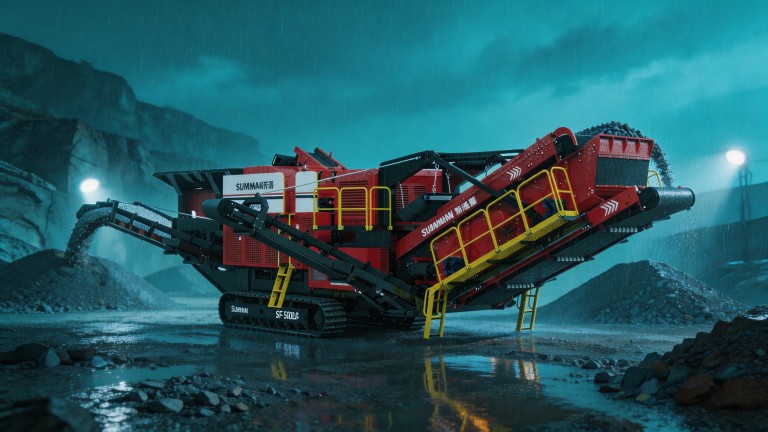
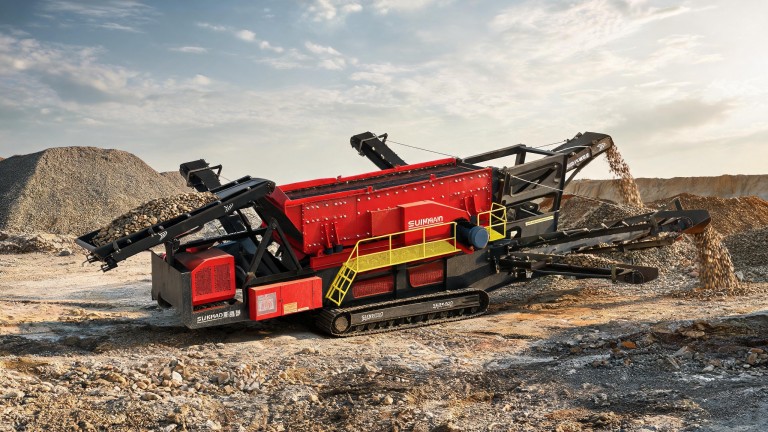
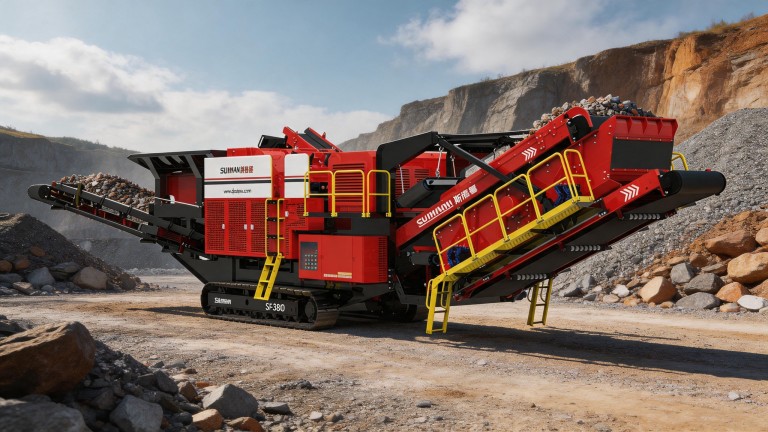
Construction waste, which was previously regarded merely as a burden on landfill sites, is now being transformed into a valuable recycled aggregate that replaces natural non-mineral materials, reduces the environmental impact and conserves resources in the construction industry, combining practical benefits with environmental responsibility
The nature and origin of secondary aggregate
This material is produced by crushing, sorting and cleaning building demolition waste, concrete rubble, brick rubble and residues from dry building mixes. It inherits the strength properties of its raw material components, undergoing a multi-stage processing to remove impurities such as wood, plastic and metal, which could compromise its performance characteristics.
Advantages over natural alternatives
Unlike sand and gravel extracted from quarries, recycled aggregate does not require the destruction of natural landscapes during extraction. Its production is 30–40 per cent less energy-intensive than that of primary non-metallic materials, and the cost of the finished product is 20–25 per cent lower, making it a cost-effective option for most types of construction work
Areas of practical application
Recycled aggregate is widely used in the construction of foundation bedding, the backfilling of trenches, the production of low-grade concrete for non-load-bearing structures, and in the construction of temporary access roads on building sites. For works with higher strength requirements, graded aggregates that have undergone additional testing for compliance with standards are used.
Prospects for the development of this field
Every year, regulatory requirements regarding the proportion of recycled materials in the construction industry are becoming stricter, which is why demand for this type of aggregate is constantly growing. In the coming years, its share in the overall mix of non-metallic materials could reach 35% in major regions, which will reduce the volume of construction waste sent to landfill sites by almost a third