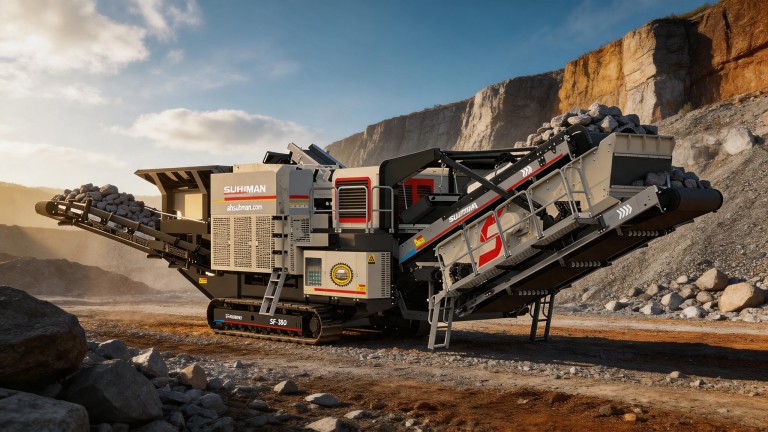
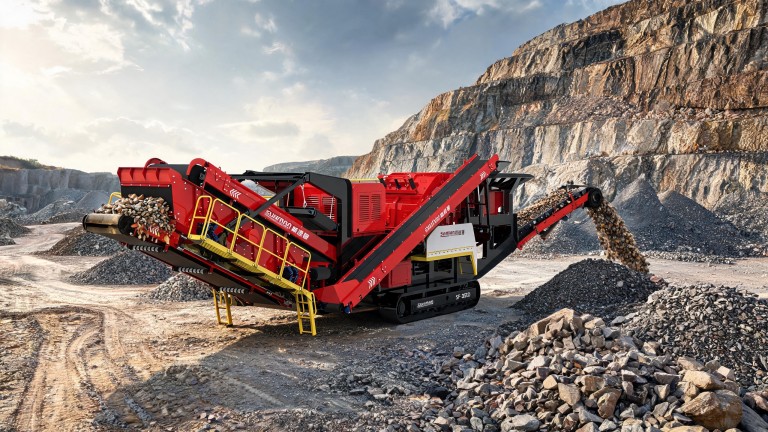
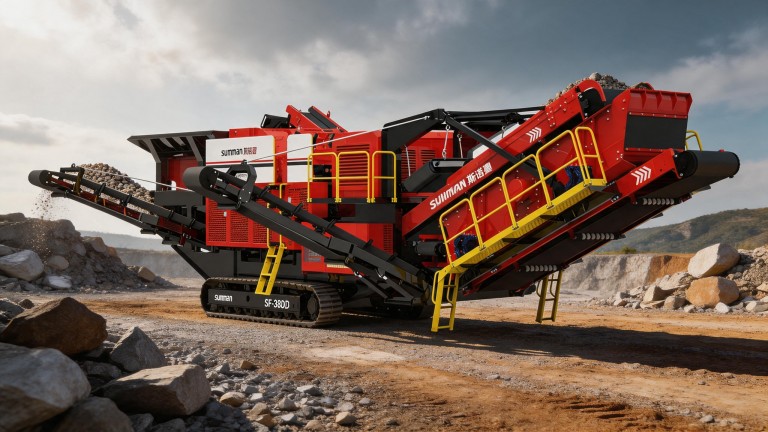
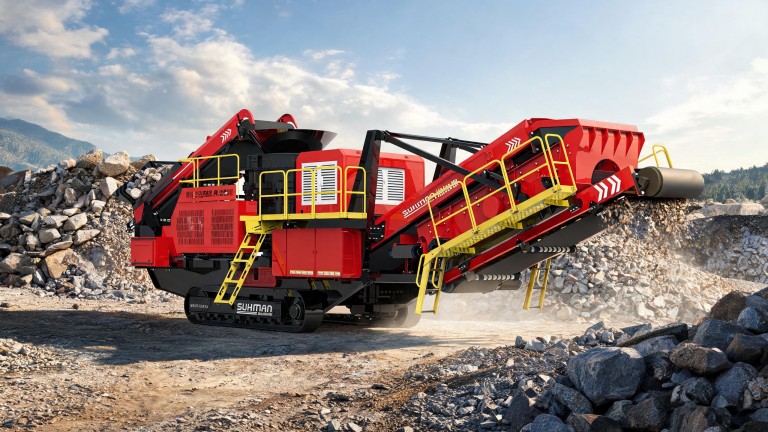
A diesel-powered crusher is a reliable piece of equipment for crushing minerals, construction waste and raw materials in industrial settings; and can be purchased cost-effectively from official distributors offering direct delivery; the right choice depends on the power, capacity and operating conditions of the specific site.
Where can I buy a diesel crusher at a good price?
The best option is to buy from the manufacturers’ official distributors, as they eliminate intermediary mark-ups, provide an official warranty and offer free basic setup on delivery. It is also worth keeping an eye out for seasonal promotions and clearance sales of stock at major suppliers, which can save you up to 15% off the market price. You should avoid buying equipment from unverified private sellers, even at a low price, as this carries the risk of no warranty and components failing quickly.
Key factors to consider when making the right choice
The first parameter is the power output of the diesel engine, which must be appropriate for the scale of the planned work: for small sites, models with 15–30 l.s. are sufficient, whilst industrial sites require a unit with 80 l.s. or more. Pay attention to the type of crushing chamber: jaw crushers are suitable for hard rock, rotary crushers for medium-hard raw materials, and cone crushers for coarse crushing of large volumes. Also, assess the maximum feed size; this must exceed the dimensions of the raw material to avoid downtime during operation.
Additional criteria for cost-effective operation
Choose models with a proven fuel consumption system; modern engines consume 20–30% less fuel whilst delivering the same performance, which quickly pays for the initial outlay. Check the availability of service centres in your region: access to genuine spare parts and prompt repairs will help you avoid prolonged downtime in the event of breakdowns. Also, assess the mobility of the design: wheeled models are suitable for use at various sites, whilst stationary models are designed for permanent installation at a single production site.