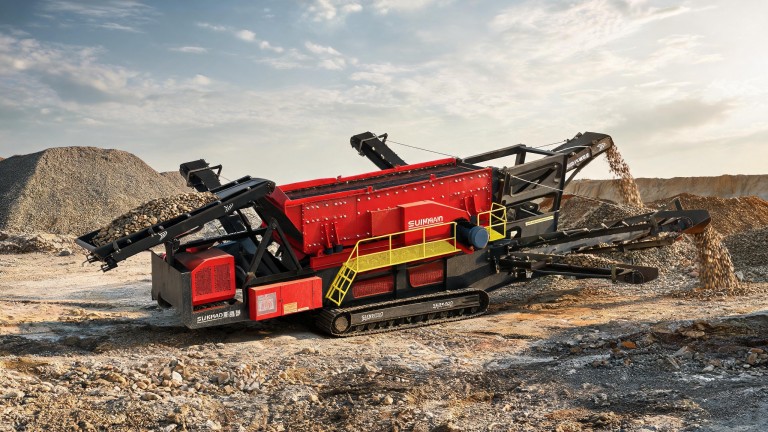
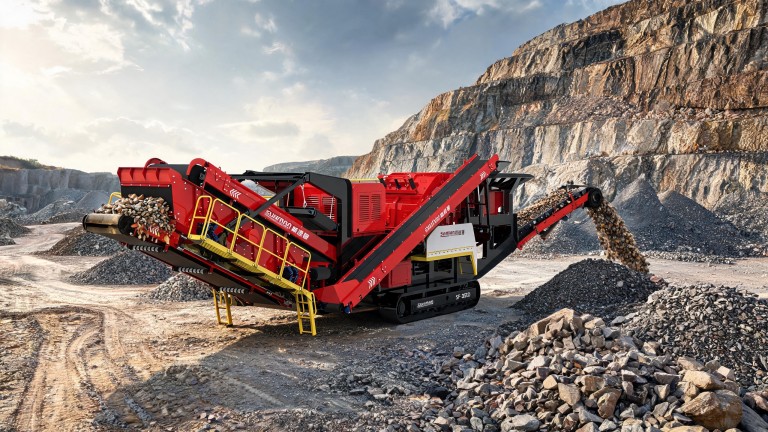
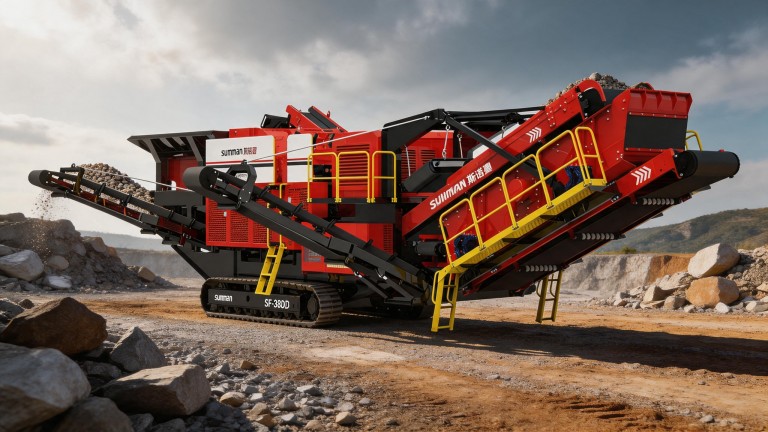
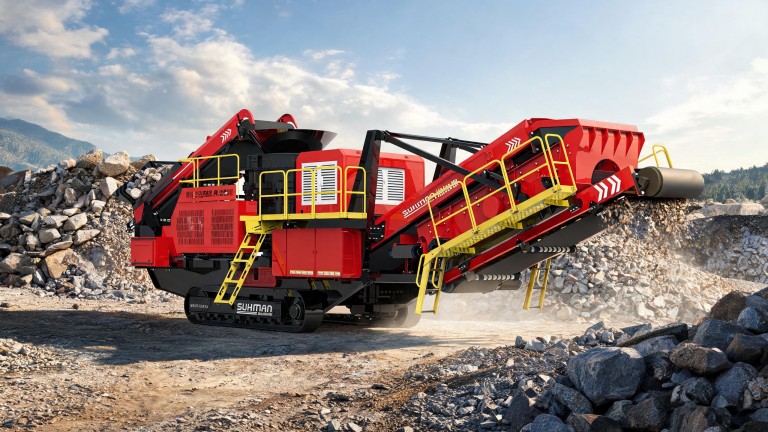
A concrete crusher is an indispensable tool on construction sites and at recycling plants; choosing the right one is key to ensuring operational efficiency and cost savings. To ensure you make the right purchase and secure a favourable deal, simply focus on the key specifications and reputable suppliers.
Key criteria for selecting a crusher
When selecting a unit, first determine the required capacity based on the volume of concrete to be processed; then consider the type of crushing mechanism: jaw crushers are suitable for coarse primary crushing, cone crushers for medium-sized aggregates, whilst rotary crushers produce a uniform, fine output. Also consider mobility: stationary models are for continuous production, whilst mobile models are for use at different sites.
Popular types of units for various tasks
Jaw crushers can handle hard pieces of concrete containing reinforcing bars and do not become blocked when processing oversized chunks; they are therefore chosen for the initial processing of large batches of waste. Rotary models are characterised by their high precision in producing the required particle size and are suitable if the crushed concrete is to be used subsequently as aggregate for new mortar. Mobile versions with their own engine are convenient if you need to move regularly between construction sites.
Where to buy a crusher on favourable terms
Compare offers from direct manufacturers rather than third-party platforms: they offer lower prices, as well as a warranty on the equipment and after-sales service for the entire lifespan of the unit. Look out for promotional offers for new customers and trade-in schemes when handing in your old processing equipment. Don’t forget to check the terms of delivery and free on-site installation of the unit; this will help to further reduce your start-up costs.
Mistakes to avoid when buying
Do not buy a model with excessive capacity if your throughput is low: this will lead to unnecessarily high costs for purchasing and maintaining the unit. Also, do not overlook the availability of service centres in your region: in the event of a breakdown, you cannot afford to wait a long time for spare parts to be delivered from another city, as this would bring the entire production process to a standstill. Give preference to models with verified reviews from real users in your line of business.