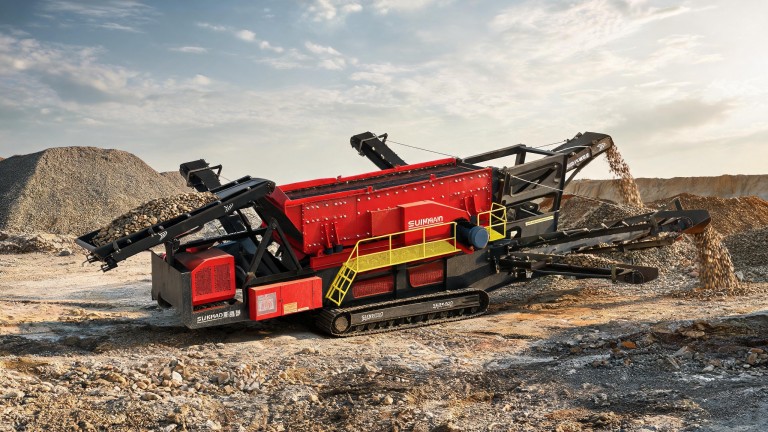
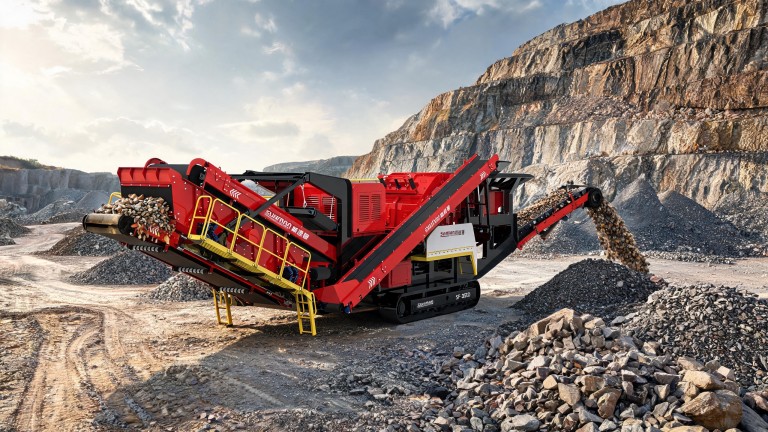
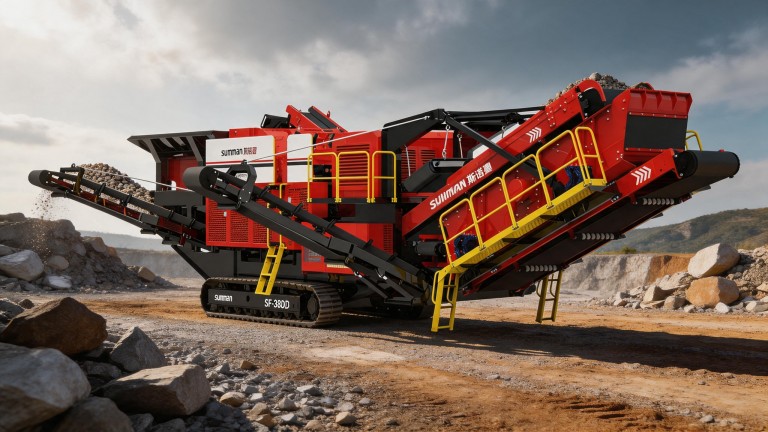
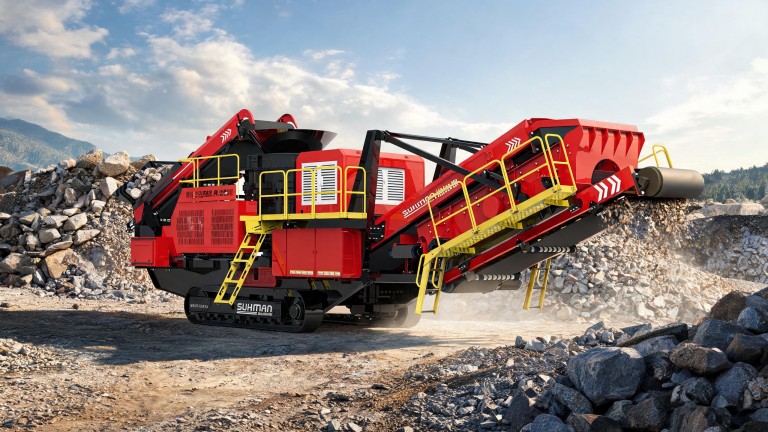
If you’re looking for a good deal on a construction waste crusher and want to make the right choice, simply focus on the machine’s capacity in terms of the volume of material it can process, the seller’s reputation and whether the model suits your operational requirements — this will help you avoid unnecessary expenditure and select equipment that will operate reliably for a long time.
Where can I buy a construction waste crusher at a good price?
The best deals are usually available directly from the official manufacturers of specialist equipment, as this avoids the mark-ups charged by intermediaries. You can also consider reputable large online marketplaces with reviews from real customers, where there are regular promotions on models from previous ranges – these are just as functional as the new versions but cost 20–30% less. Try to avoid dubious offers with very low prices; these often conceal defects or the absence of a warranty.
What key factors should you look out for when choosing
The first important factor is the type of waste to be processed: jaw crushers are suitable for concrete, whilst rotary crushers are better for wood and plasterboard. Next, assess the throughput in cubic metres per hour; this should match the volume of waste you plan to process per shift. Be sure to check that there is an overload protection system; this prevents breakdowns if hard foreign objects, such as reinforcing bars, enter the crushing chamber.
Additional tips that will save you money in the future
Make sure to check straight away whether the price of the equipment includes a warranty covering a period of at least 12 months, and whether there is a manufacturer’s service centre near your area. This will save you from having to send faulty equipment to the other end of the country should any problems arise. Also, pay attention to the availability of consumable parts, such as blades and screens; their price should not be comparable to the cost of the crusher itself, otherwise running the machine will prove too expensive in the long run.