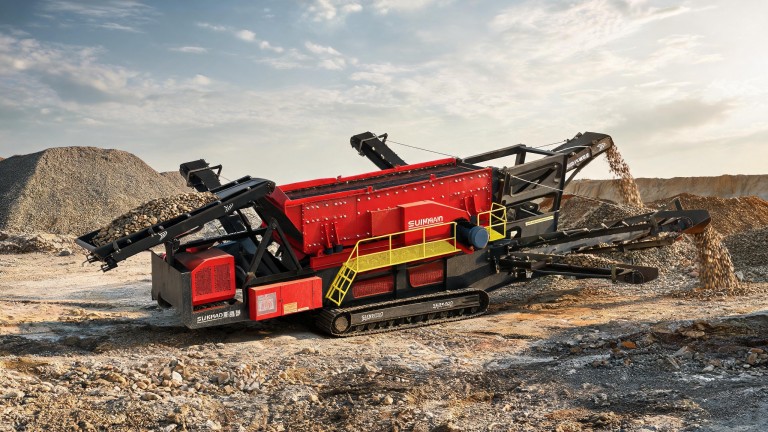
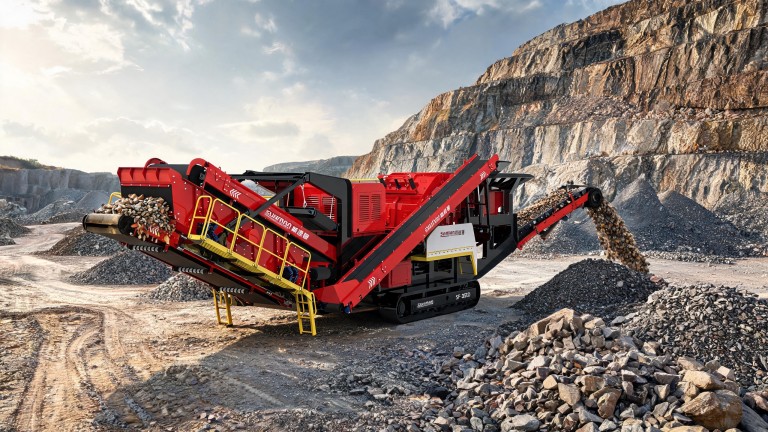
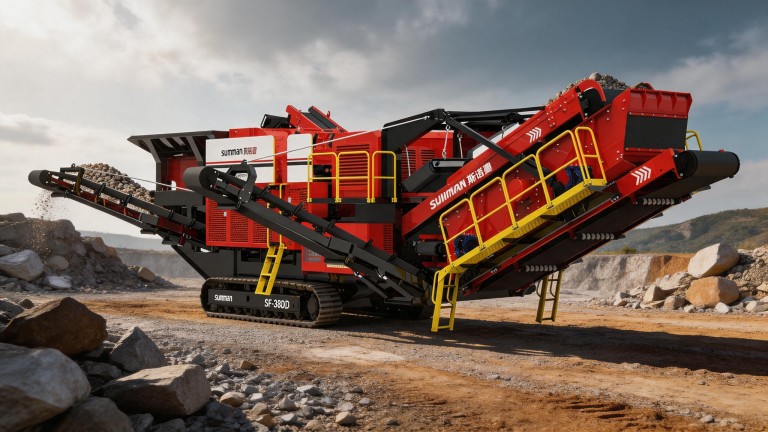
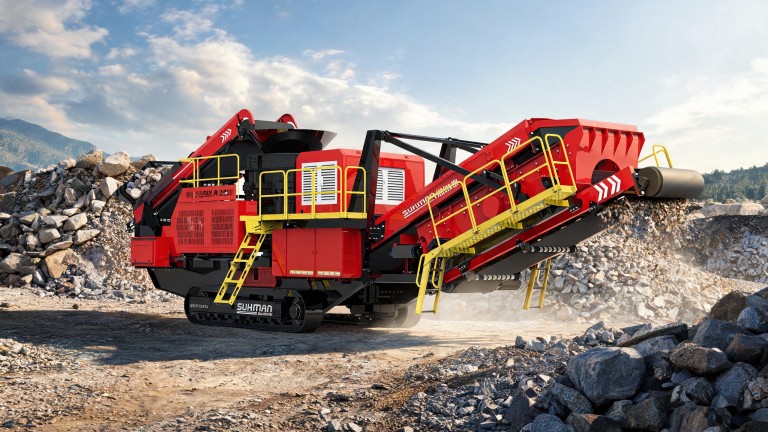
An industrial cone crusher is a reliable «workhorse» in the mining and construction industries, capable of effectively crushing hard rock; therefore, making the right choice and securing a good deal have a direct impact on a company’s productivity and costs. In this article, we will briefly outline the key selection criteria and where to find the best deals on such equipment.
Key parameters for selecting a cone crusher
The first step is to determine the type of rock to be processed: hard granites and basalts require models with a reinforced cone mechanism, whilst soft limestones can be processed using standard versions. Next, consider the required output particle size and throughput in tonnes per hour; you should not choose equipment with a capacity exceeding 20% of your actual requirements, so as not to overpay for unused capacity.
Design features worth noting
The best option is a crusher fitted with a hydraulic protection system against foreign solid objects; this will protect key components from damage and reduce downtime. You should also check for quick-change wear parts: replacing bushings and crushing plates should take no more than a few hours, as this has a direct impact on maintenance costs in the long term.
Where is the best place to buy industrial cone crushers?
The best deals are usually found with official distributors of manufacturers from China and CIS countries; they offer prices 15–30% lower than those of local intermediaries, whilst providing an official warranty and after-sales service. You may also wish to consider options for tried-and-tested second-hand equipment with no more than 5,000 hours of operation; this will allow you to save up to 40% on the cost of a new unit whilst retaining all operational characteristics.
It’s worth checking before you buy
Before paying for the equipment, be sure to request a trial run using samples of your raw materials to ensure that the desired fraction is produced and that the output meets the specified performance figures. Also, clarify the terms of delivery, installation and staff training: many suppliers include these services in the price when ordering large-scale equipment, which further reduces your initial costs. Overall, a careful approach to the selection process will enable you to choose a crusher that will operate reliably for at least 8–10 years without major breakdowns and will deliver significant savings at every stage of its operation.