A professional mobile jaw crusher is a reliable piece of equipment on construction sites; it must be carefully selected to suit specific tasks to avoid unnecessary expenditure and operational disruptions. When purchasing one, it is sufficient to assess the key specifications and features of the various models.
Identify the main work tasks
Before choosing a crusher, clearly define the materials you will be processing – whether hard granite, limestone or construction waste – as well as the required output particle size and the processing volume per shift. These parameters will form the basis for selecting the drive power and the size of the crusher’s feed opening.
Assess mobility and operating conditions
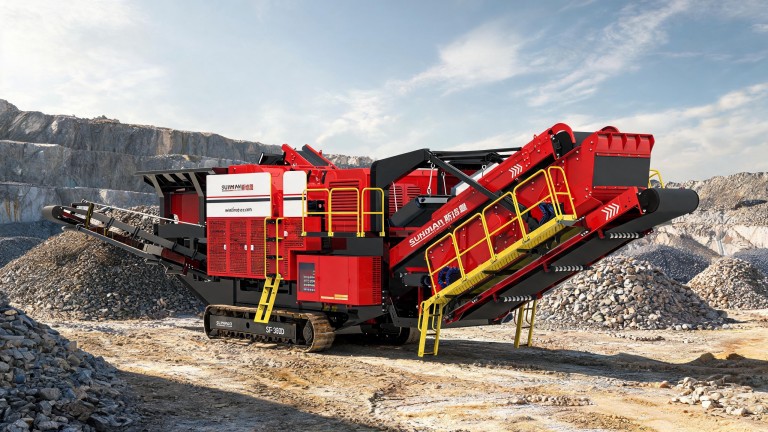
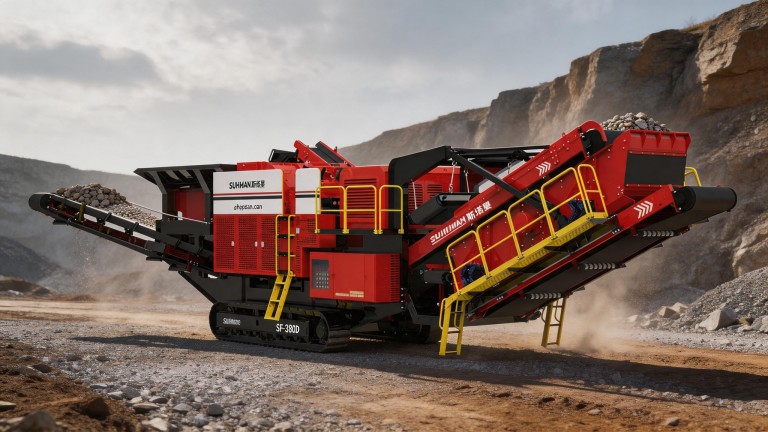
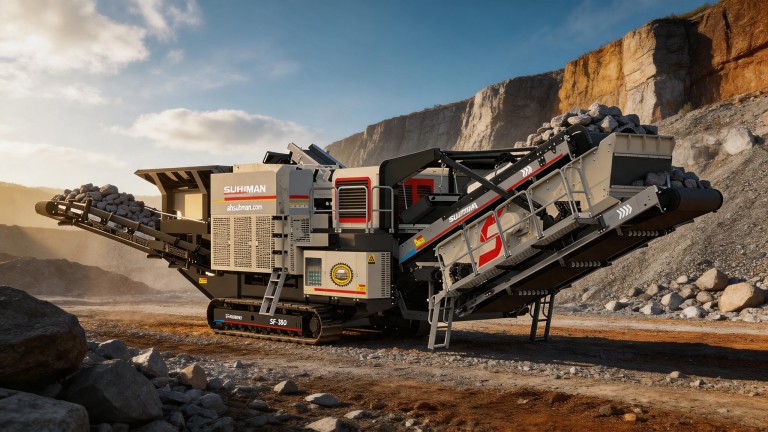
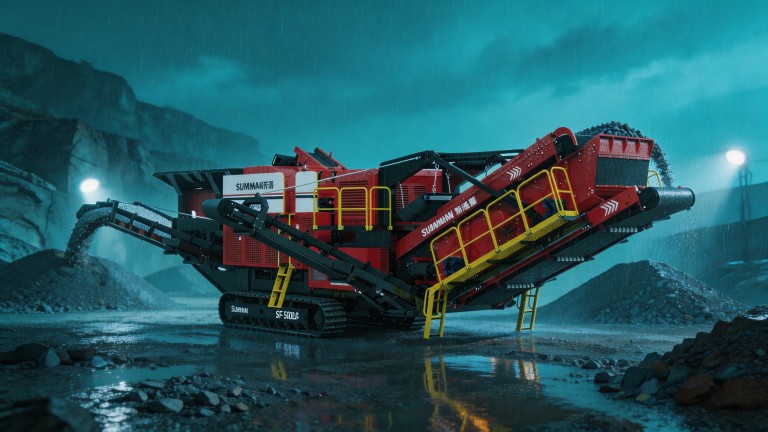
If the work frequently involves moving between different sites, opt for wheeled models with compact dimensions; for work on challenging terrain, tracked models with high off-road capability are suitable. Also bear in mind the availability of service centres in your region to ensure quick repairs in the event of breakdowns.
Check the resource usage of key nodes
The jaw plates and the outlet clearance adjustment mechanism are the components subject to the greatest wear, so choose models with high-alloy steel plates and a simple parts replacement system. This will significantly reduce maintenance costs throughout the equipment’s service life.