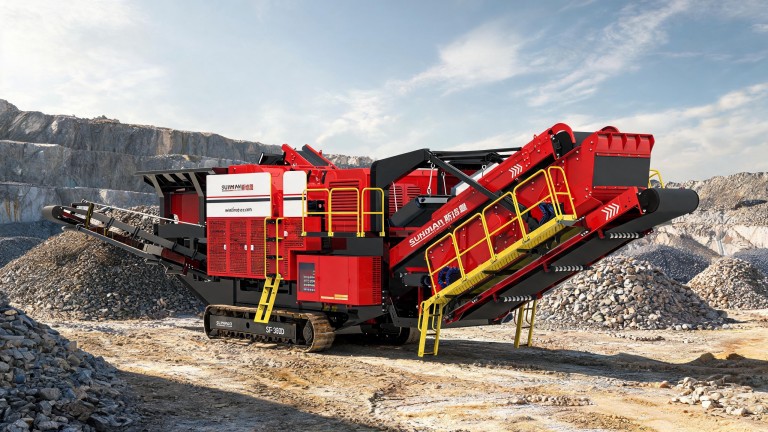
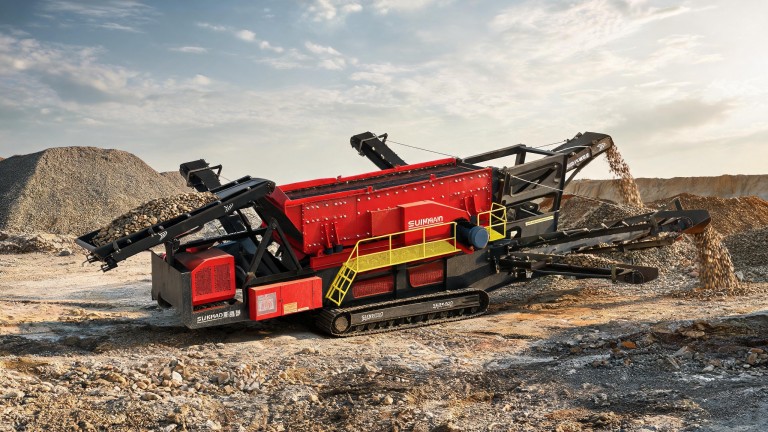
When selecting a mobile jaw crusher with a generator, it is necessary to compare the operational requirements, power output and service life of the unit in order to choose a model that is fully suited to the operating conditions and does not incur unnecessary maintenance costs.
Assessment of required performance
The first step is to determine the maximum size of the feed material and the required output particle size; the size of the crusher gap and the rated load on the drive depend directly on these parameters. The generator must ensure a stable power supply under peak loads without overheating; its power output must be 15–20% higher than the crusher’s peak power consumption to avoid disruptions when processing hard rock.
Adaptation to operating conditions
For work off-road and at remote sites, it is advisable to opt for models with a reinforced chassis and a generator housing that is protected against dust and moisture. If you plan to move the unit frequently between sites, please note its weight and dimensions; these must comply with the requirements for transport by standard lorries.
Estimation of service life and maintenance costs
Check the availability of spare parts for the side gear assembly and the alternator with local dealers; prolonged downtime due to a lack of components negates the benefits of operation. Also, check the maintenance schedule; models with an integrated diagnostic system make it easier to monitor the machine’s condition and allow repairs to be carried out before serious breakdowns occur.