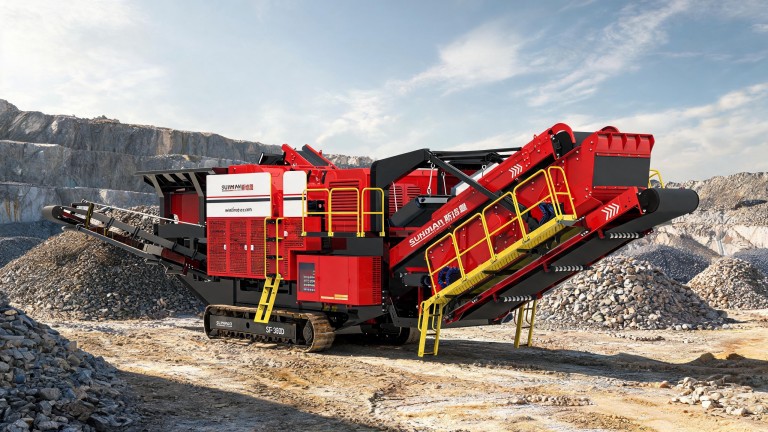
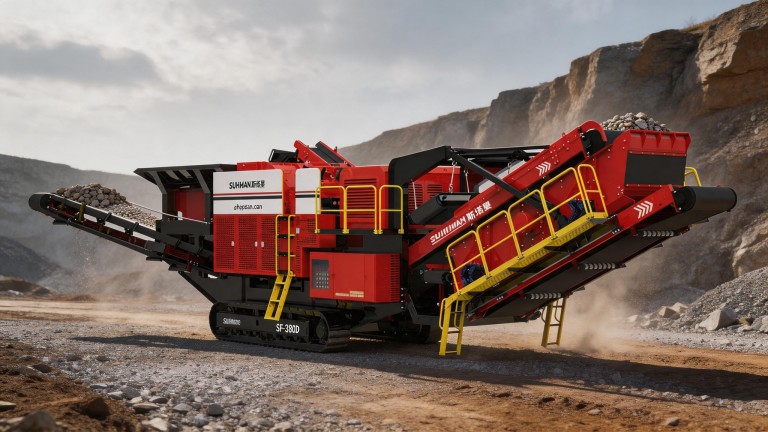
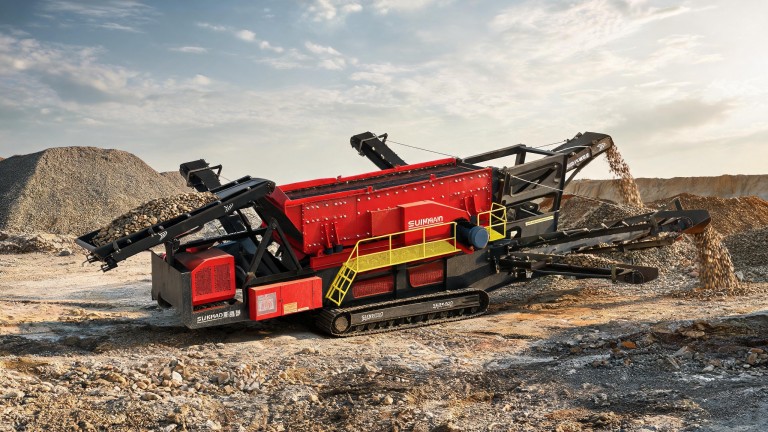
Choosing a crusher for a granite quarry is a key decision that directly affects productivity and profitability; the choice should be based on the characteristics of the raw material, output volumes and the service life of the equipment, whilst common mistakes in the selection process will lead to downtime and unnecessary costs
Assessment of the properties of granite as a raw material
Granite is a hard, abrasive rock with high compressive strength; therefore, the crusher must have reinforced working parts made from wear-resistant alloys. It is advisable to determine in advance the feed size and the required size of the final product in order to select the appropriate crushing method.
Alignment of equipment specifications with production requirements
The most important factor is that the crusher’s rated capacity matches the planned daily granite processing volumes; it is also worth considering the possibility of integrating the selected model into the existing processing line and the ease of carrying out scheduled maintenance on site at the quarry
Common mistakes to avoid
The most common mistake is choosing a crusher based solely on the lowest price, without taking into account the service life of the wear-resistant parts. Furthermore, you should not ignore the manufacturer’s recommendations regarding the maximum size of feed material, nor should you overload the machine beyond its rated capacity, as this will lead to the equipment failing prematurely.