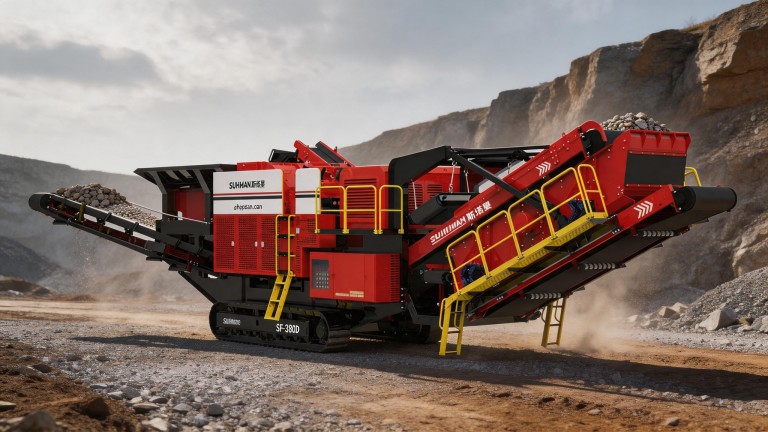
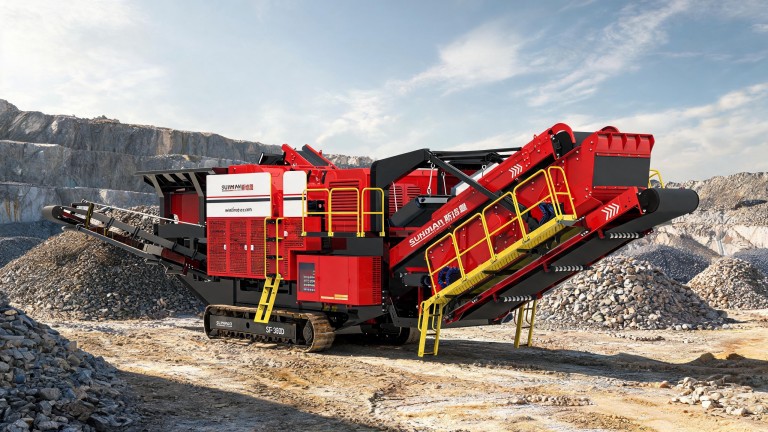
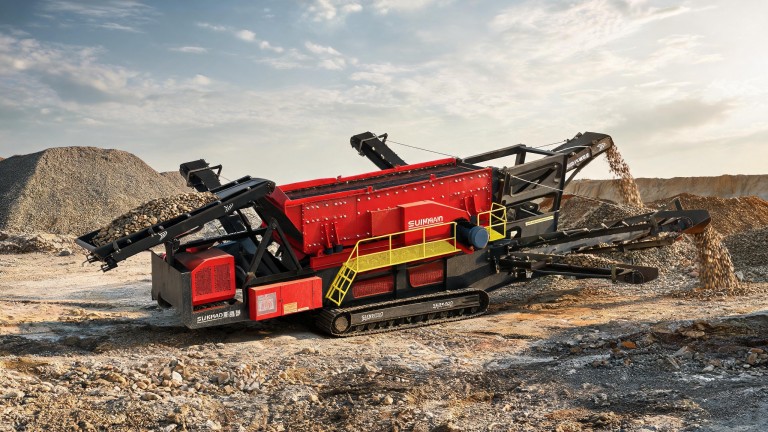
Crushers for river stone and pebbles are invaluable assets in production; to choose the right model, you need to assess the volume of work and the required particle size of the finished product, and you can find a good deal from official manufacturers offering direct delivery without intermediary mark-ups
Assess your production requirements before making your choice
First, work out your approximate monthly processing volume; if you have a small-scale operation, a compact mobile model will suffice, whereas for large-scale production, you’ll need a stationary, high-capacity unit. Also, specify which size of crushed stone you require, as this directly influences the type of crushing mechanism required.
Choose the right type of crusher for the characteristics of the river-sourced raw material
River stones and pebbles are particularly hard and have a smooth surface; therefore, jaw or cone crushers are best suited for them. They can handle hard raw materials without causing rapid wear to components. If you need to produce cuboid-shaped material, use a rotary model as well at the final stage
Where to buy a crusher at a really good price
Do not deal with intermediary retailers; they add up to a third of the cost on top of the manufacturer’s price. Look for the official representatives of the manufacturers in your region; they often run promotions on components and provide free warranty service, which will save you money in the the long run